The AnewZ Opinion section provides a platform for independent voices to share expert perspectives on global and regional issues. The views expressed are solely those of the authors and do not represent the official position of AnewZ
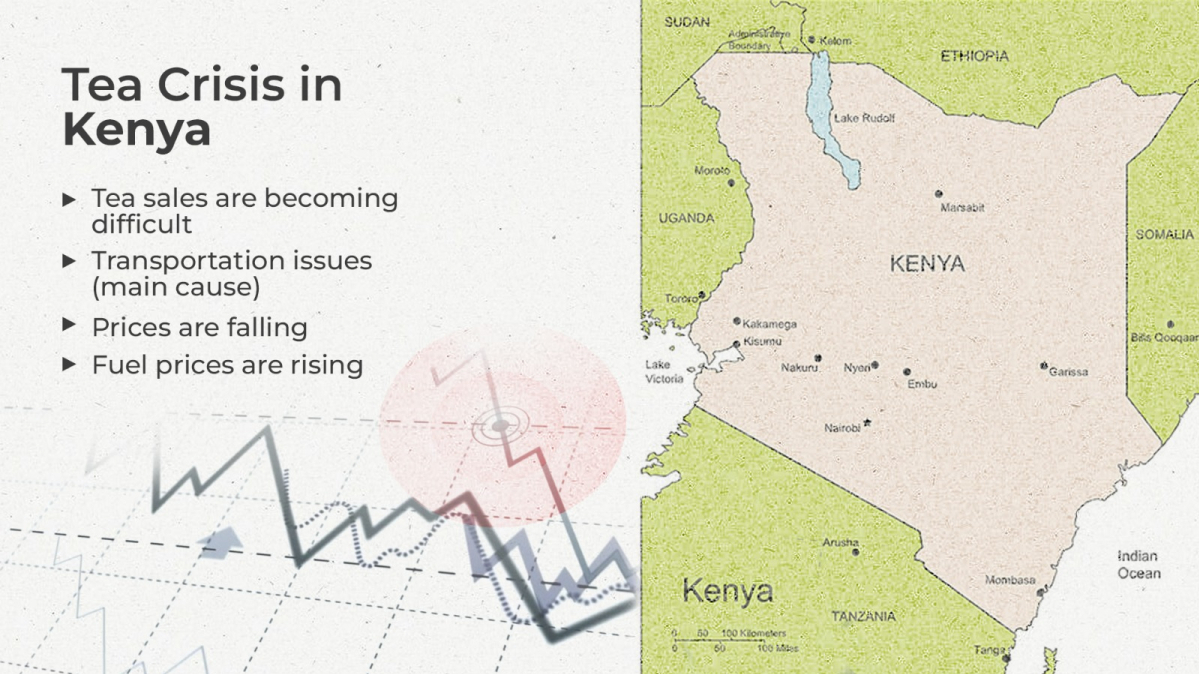
A war in the Middle East might seem far removed from a cup of tea in Nairobi or a farmer’s field in Kericho. Yet the connection is real, and it is already disrupting Kenya’s tea industry in ways that are becoming impossible to ignore.
Walk into the warehouses around the Mombasa Tea Auction and something feels off. Mombasa, Kenya’s principal port city on the Indian Ocean coast, is the commercial gateway for most of East Africa’s exports and the nerve centre of the regional tea trade. Now, tea is sitting longer than it should, buyers are slower to commit and payments that once moved smoothly are being delayed. The auctions continue but their usual rhythm has been lost, and traders are beginning to feel the strain.
The thread connecting all this runs through the Strait of Hormuz, the narrow waterway at the centre of current Middle East tensions and a critical artery for global oil movement. For Kenya, this is not a distant geopolitical story. Tea generates over a billion dollars a year and supports millions of livelihoods. A significant share is exported to the Middle East, including Iran, the UAE and Saudi Arabia, leaving exporters exposed as they struggle to plan shipments and secure timely payments.
Kenya is not alone. Across East Africa, tea remains one of the most reliable sources of foreign exchange, supporting smallholder farmers, factory workers and entire supply chains. Uganda, Rwanda, Tanzania and Malawi all have a stake, but Kenya dominates the sector. When Kenya falters, the region feels it.
When shipping lanes become a liability
In recent months, thousands of tonnes of tea have piled up in Mombasa or stalled in transit as shipping through the Strait of Hormuz becomes increasingly unreliable. Military escalations and airspace restrictions have turned the Persian Gulf into a high-risk operating environment. Freight and insurance costs have surged - nearly tripling in some cases - while many marine insurers have withdrawn war-risk cover altogether. Exporters are being forced to reroute shipments around the Cape of Good Hope, adding time, cost and uncertainty to every consignment.
The figures underline the scale of the challenge. Pakistan remains Kenya’s largest tea market, taking around 35% of exports. Egypt, the United Kingdom, the UAE and Iran are also key destinations, with Kenya reaching 96 international markets in 2024. Iran alone imported approximately 13 million kilograms of Kenyan tea that year, valued at KSh 4.3 billion - around $33 million. Together, the Gulf states and Iran act as a crucial secondary market, absorbing excess supply in strong production years. That buffer is now under severe strain.
When inventory builds up at auction, prices fall - and it is farmers who feel the impact first, through delayed payments, reduced bonuses and tighter household finances. Industry leaders warn that prolonged disruption could erode more than 20% of the Middle East market, a loss that would translate directly into reduced incomes for families with few alternatives.
A problem that compounds itself
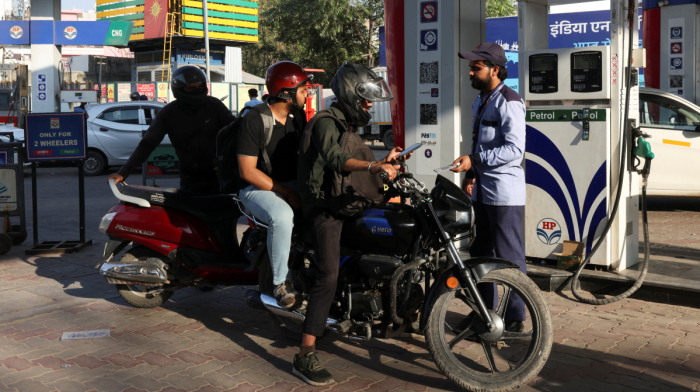
The situation is further complicated by energy costs. Kenya’s petroleum import bill stood at around KSh 575 billion in 2024 - roughly $4.5 billion, with most supplies sourced from Gulf producers including Saudi Arabia, the UAE, Iraq and Kuwait. As tensions in the Strait of Hormuz drive up global oil prices, fuel costs in Kenya rise in tandem. This increases the cost of running tea factories, transporting goods from the highlands to the coast, and managing every stage of production and export. For an industry already operating on tight margins, the pressure is significant.
The Port of Mombasa is not just Kenya’s concern. It serves as the primary gateway for landlocked neighbours such as Uganda, Rwanda, Burundi and South Sudan. Disruption here reverberates across the region. Tea, being both perishable and time-sensitive, is particularly vulnerable. Delays affect quality, and declining quality risks losing buyers to competitors such as India and Sri Lanka - sometimes permanently.
What needs to happen now
The clearest lesson is the need for diversification. Kenya has long discussed reducing its reliance on a limited number of export markets, but the current crisis adds urgency. Europe, emerging Asian markets, and intra-African trade under the African Continental Free Trade Area offer viable opportunities. While none will replace the Middle East overnight, they could reduce exposure to shocks of this kind.
At the farm level, cooperatives and the Tea Board of Kenya are working to manage inventories and maintain payments. However, their ability to respond is constrained when global forces move against them.
The broader reality is that tea is more than an export commodity. For millions of Kenyan families, it determines whether a month is stable or difficult. Every delay at the Mombasa auction, every rerouted shipment, and every rise in insurance costs ultimately reaches the highland communities where growers wait for payments that have yet to arrive.
How Kenya navigates this moment will reveal much about the resilience of its most important agricultural sector - and whether it is prepared to build a trade network capable of withstanding crises it did not create.
















What is your opinion on this topic?
Leave the first comment