National Guard activated in Minneapolis after federal agents kill second U.S. citizen
Minnesota Governor Tim Walz has activated the state’s National Guard following the fatal shooting of a U.S. citizen in Minneapolis, an incident that...
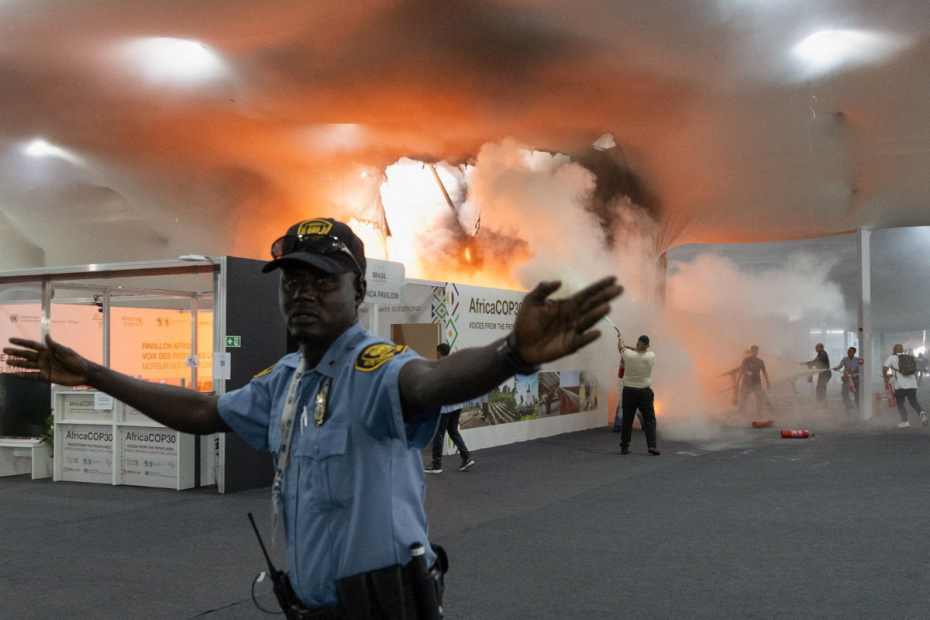
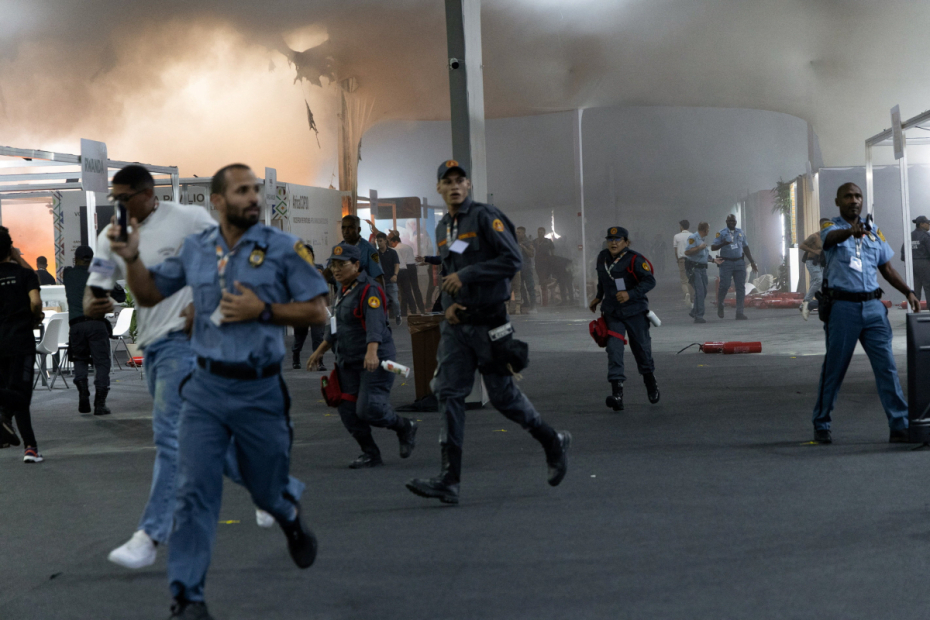
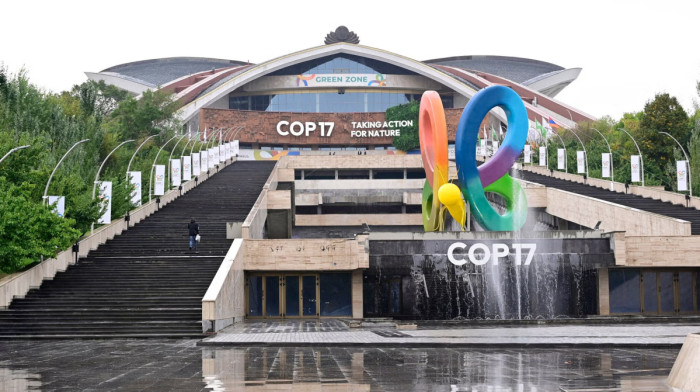
Talks at the COP30 climate summit in Brazil were disrupted on Thursday (20 November) after a fire broke out in the venue, triggering an evacuation just as negotiators were hunkering down to try to land a deal to strengthen international climate efforts.
United Nations Secretary-General Antonio Guterres had appealed earlier in the day for a deal from the summit in the Amazon city of Belém, welcoming calls from some for clarity on the hotly disputed subject of weaning the world off fossil fuels.
There are less than 24 hours until the scheduled end of the summit to find a consensus among nearly 200 participating countries.
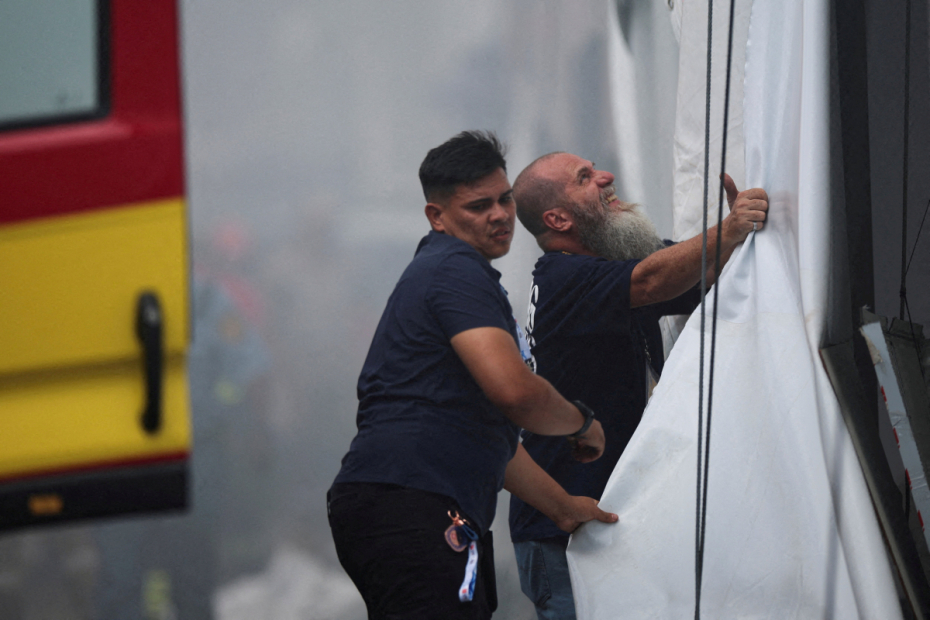
Shortly after lunchtime, however, security footage showed flames breaking out at an exhibition pavilion and spreading rapidly up an internal fabric shell that lined the walls and ceiling of the building, before being extinguished.
Thirteen people were treated for smoke inhalation at the venue, organisers said.
The local fire service said it was probably caused by electrical equipment, likely a microwave, and was controlled within six minutes.
Thousands of delegates were evacuated from the area as security staff formed a human barrier across the hallway.
Negotiations were not expected to resume until Friday morning, a source told Reuters. Consultations between the presidency and negotiating blocs could continue on Thursday night, subject to safety assessments at the venue.
The summit already missed a self-imposed Wednesday deadline to secure agreement among the countries present on issues including how to increase climate finance and shift away from fossil fuels.
Brazil circulated a draft proposal for part of the COP30 deal among some governments on Thursday, which did not include a roadmap on transitioning away from fossil fuels.
Emissions from burning fossil fuels trap heat in the earth's atmosphere and are by far the biggest contributor to warming.
The draft proposal, seen by Reuters, included other elements for a deal. It said countries would call to triple the financing available to help nations adapt to climate change by 2030, from 2025 levels.
However, it did not specify whether this money would be provided directly by wealthy governments, or other sources including development banks or the private sector.

The UN Human Rights Council has condemned Iran for rights abuses and ordered an expanded investigation into a crackdown on anti-government protests that killed thousands, as Tehran warned any military attack would be treated as an all-out war.
Firefighters were clearing the charred ruins of a Karachi shopping mall in Pakistan on Tuesday (20 January) as they searched for people still missing after a fire that burned for nearly two days and killed at least 67 people, police said.
Türkiye’s Foreign Minister Hakan Fidan said on 23 January there are signs Israel is still seeking an opportunity to attack Iran, warning that such a move could further destabilise the Middle East.
U.S. President Donald Trump said on Friday that Canada is opposing the possible construction of his proposed ‘Golden Dome’ missile defence system over Greenland, despite what he claimed would be security benefits for Canada.
Thousands of people took to the streets of Albania’s capital Tirana on Saturday in an anti-government protest sparked by the indictment of Deputy Prime Minister Belinda Balluku over alleged corruption linked to major infrastructure projects.
Several people, including children, were reported missing in New Zealand's north island on Thursday after a landslide struck a coastal campsite amid heavy rain that caused evacuations of people to safety, road closures and widespread power outages.
At least four people were killed on Tuesday as floods swept across Tunisia during the worst torrential rain for more than 70 years in some regions, and there were fears the death toll could rise, authorities said.
The world has already entered an era of global water bankruptcy, with irreversible damage to rivers, aquifers, lakes and glaciers pushing billions of people into long-term water insecurity, according to a major United Nations report released on Tuesday.
Chilean President Gabriel Boric declared a state of catastrophe in two southern regions of country on Sunday as raging wildfires forced at least 20,000 people to evacuate and left at least 19 people dead.
A landmark global treaty to safeguard biodiversity in the high seas came into effect on Saturday, providing countries with a legally binding framework to tackle threats and meet a target to protect 30% of the ocean environment by 2030.
You can download the AnewZ application from Play Store and the App Store.
What is your opinion on this topic?
Leave the first comment