Government ministers from around the world were preparing for a final few fraught days of talks at the U.N. climate summit as they bid to secure a deal that demonstrates global resolve amid increasing assertiveness from developing nations.
The job will not be easy. Countries are now digging into some of the toughest issues - many of which have been left off the formal agenda to ensure the talks keep moving even if one issue gets hung up.
Brazilian President Luiz Inácio Lula da Silva is also expected to arrive on Wednesday to help rally consensus among parties at the summit in the Amazon city of Belem ahead of Friday's final scheduled session.
Developing nations flex more muscle
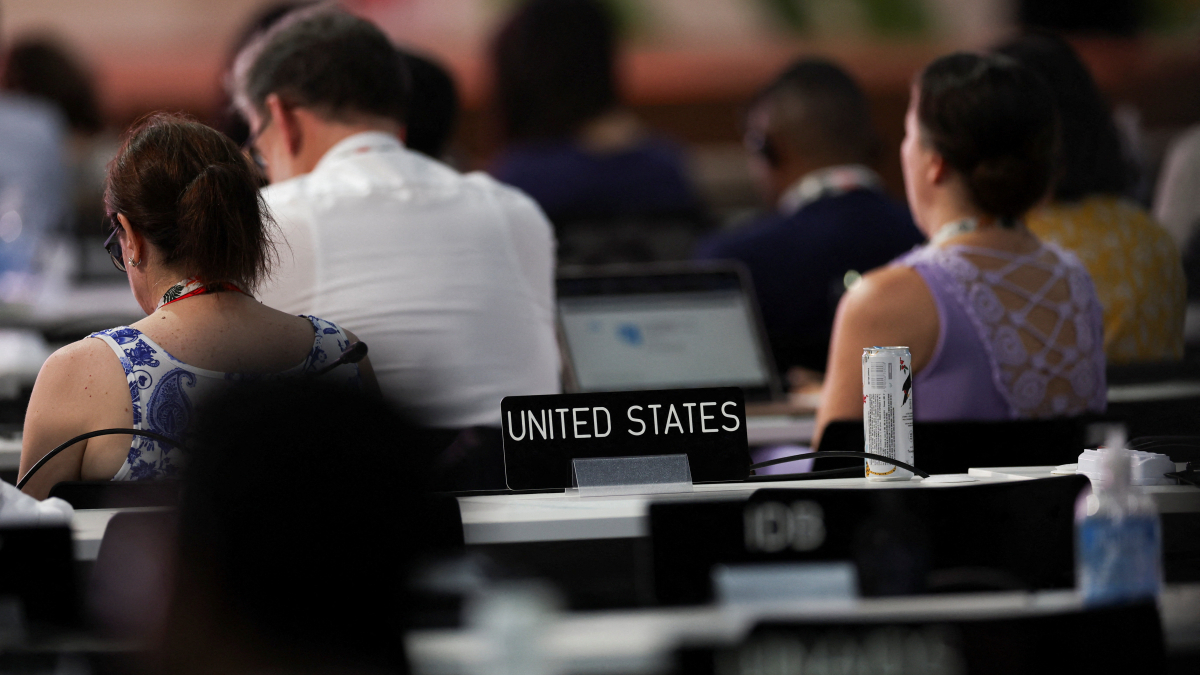
New dynamics in climate diplomacy have seen China, India and other developing nations flex more muscle this year, while the European Union is hobbled by weakening support back home and the once-dominant United States has skipped out altogether.
Asked if there was any one issue dominating the talks, COP30 President Andre Correa Do Lago replied: "Everything, everything. It's very complicated."
Brazil's top goal for COP30 is to deliver an agreement that reaffirms the 2015 Paris Agreement, while acknowledging its shortcomings by laying out clear plans for future climate action.
The summit's work is "dry, it's complicated, it's anguished, it's tiring - and it's absolutely necessary," said Britain's energy minister, Ed Miliband.
Mind the gaps
Over the last week negotiators had a chance to air their differences on three key issues: climate finance, unilateral trade measures, and planned emissions cuts that don't go nearly far enough.
The Paris treaty's central goal, to prevent warming beyond 1.5 degrees Celsius above pre-industrial levels, will be missed.
Current emissions trends have the world warming by at least 2.3 degrees Celsius, which Norway's climate minister said parties agreed would need to be addressed.
"It is a must-have to be able to talk about how we close the gap going forward," the minister, Andreas Bjelland Eriksen, told Reuters.
A bloc of developing countries is also seeking a payment schedule to ensure wealthy countries follow through on promises made at last year's COP29 to annually deliver $300 billion in climate finance by 2035. The United States - absent from COP30 - has reneged on past commitments.
Clean tech talks
China's growing role in the UN climate talks follows decades of Beijing representing developing-country interests at the talks while growing its own green technology sector.
"It's not that China set out with a brilliant new strategy; it just happened," said Li Xing, a professor at the Guangdong Institute for International Strategies.
"With the U.S. stepping back — Trump isn't interested in this sector at all — China sees an opening and says, 'We're interested; we're willing to go'," Li told Reuters in Beijing.
Another testy issue has some developing countries grousing about carbon border taxes or tariffs imposed by some countries on Chinese-made green products, given the now-urgent need for the world to speed its clean energy transition.











What is your opinion on this topic?
Leave the first comment