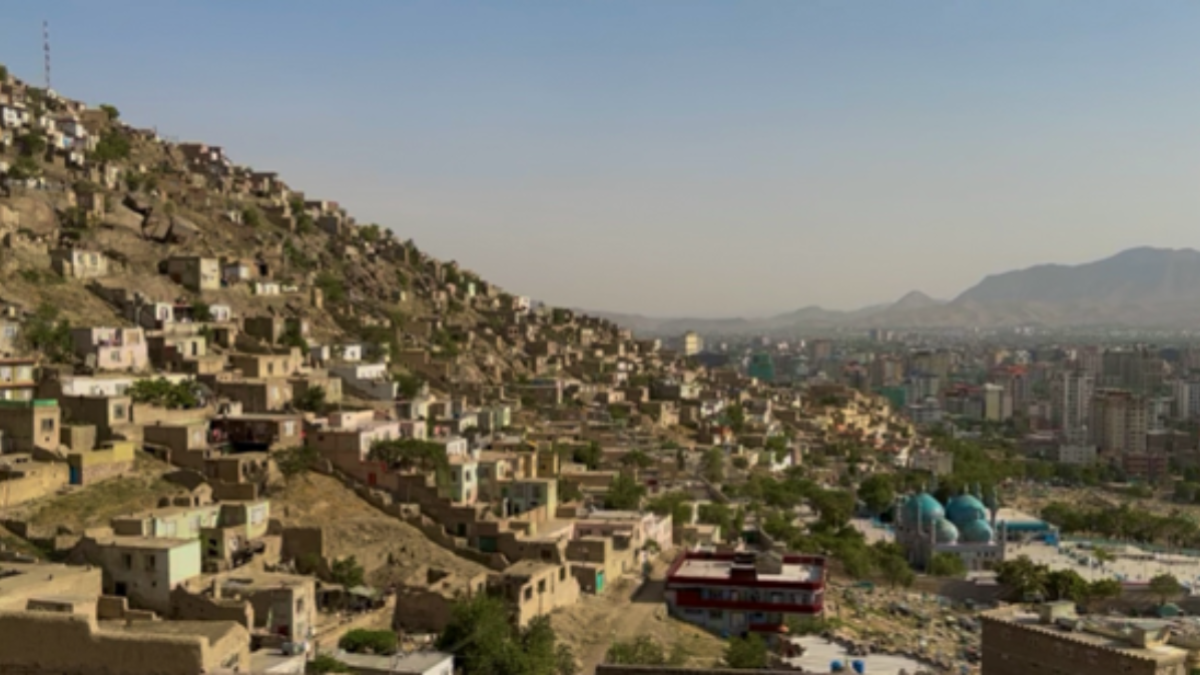
Afghanistan is expected to remain one of the world’s largest humanitarian crises in 2026, with nearly half of the population projected to require humanitarian assistance, according to a new report published by the United Nations Office for the Coordination of Humanitarian Affairs (OCHA).
In its Afghanistan Humanitarian Needs and Response Plan for 2026, OCHA said 21.9 million people will need aid next year, underlining that the scale of suffering remains severe despite a slight reduction compared with previous estimates. The agency stressed that this decline does not reflect improved living conditions. It said, “Afghanistan will remain one of the world’s largest humanitarian crises in 2026, despite a modest reduction in the overall number of people in need.”
OCHA warned that long-standing structural problems continue to push millions into vulnerability. It said the crisis is “fuelled by decades of conflict, entrenched poverty, climate shocks and limited basic services,” adding that these pressures are now intensified by new challenges. The report stated, “These chronic stresses are now compounded by worsening food insecurity, large-scale cross-border returns, climate-driven drought, recurrent natural hazards, and the systematic exclusion of women and girls from public life.”
Food insecurity remains one of the most urgent concerns. According to OCHA, during the 2025 to 2026 lean season, an estimated 17.4 million people are expected to face crisis or worse levels of hunger. The agency said, “More than one-third of the population is projected to experience IPC Phase 3 or above food insecurity, including 4.7 million people in emergency conditions.”
The report also highlighted the impact of mass returns from neighbouring countries, placing additional pressure on already fragile communities. OCHA said many returnees are arriving with limited resources and face “severe challenges accessing shelter, livelihoods and essential services.”
Restrictions on women and girls remain a central driver of humanitarian need. OCHA warned that continued limitations on education, employment and participation in public life are deepening poverty at household level. It said, “The exclusion of women and girls is not only a protection crisis, it is a key factor exacerbating humanitarian needs across sectors.”
Despite the immense needs, OCHA cautioned that funding shortfalls could limit the humanitarian response. The plan aims to reach 17.5 million of the most vulnerable people in 2026 and is seeking $1.71 billion in funding. OCHA said, “Sustained and flexible donor support will be critical to saving lives and preventing further deterioration.”
The launch of the plan was also shared by OCHA Afghanistan on X on Tuesday 30 December. In its post, the agency said Afghanistan “remains one of the world’s largest humanitarian crises,” and appealed for support to “help save lives and support vulnerable communities.”
OCHA concluded by warning that without continued international engagement, humanitarian needs in Afghanistan are likely to remain acute well beyond 2026.

















What is your opinion on this topic?
Leave the first comment