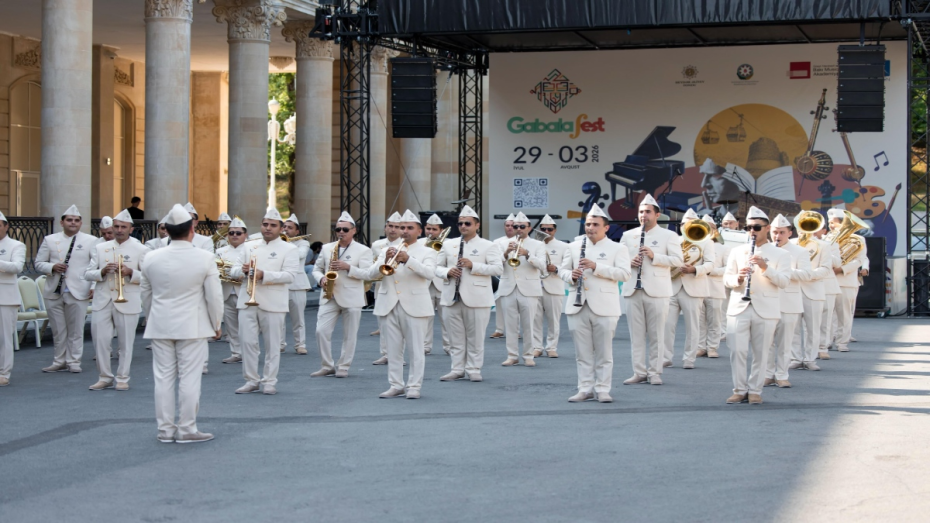
Each summer, Gabala becomes a gathering point for artists, musicians and audiences from across Azerbaijan and beyond.
Set in the foothills of the Greater Caucasus, the town hosts the Gabala International Music Festival, an event that has evolved into one of the country's most established platforms for cultural exchange.
Now in its 15th edition, the festival has expanded beyond its classical music roots to include ballet, visual arts, educational programmes and community workshops. Over six days, performers and visitors from multiple countries came together in an environment where music, art and cultural dialogue shared equal billing.
A stage for the next generation
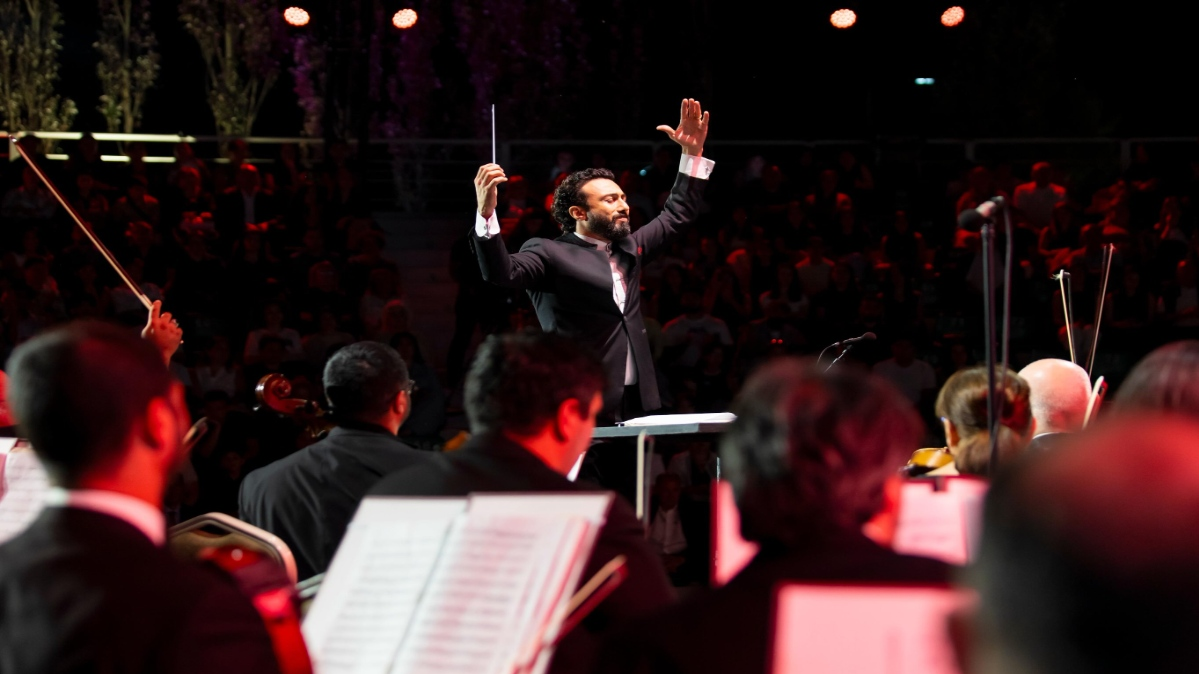
This year's programme began with a performance by the Student Symphony Orchestra of the Baku Music Academy, placing emerging musicians at the centre of the festival's opening events.
Their appearance reflected one of the festival's longstanding objectives: supporting the next generation of performers. Before audiences watched internationally recognised artists take the stage, they were introduced to students now beginning their own professional journeys.
The concert served as a reminder that artistic success is built not only on talent, but also on years of training, discipline and performance experience.
International ballet takes centre stage
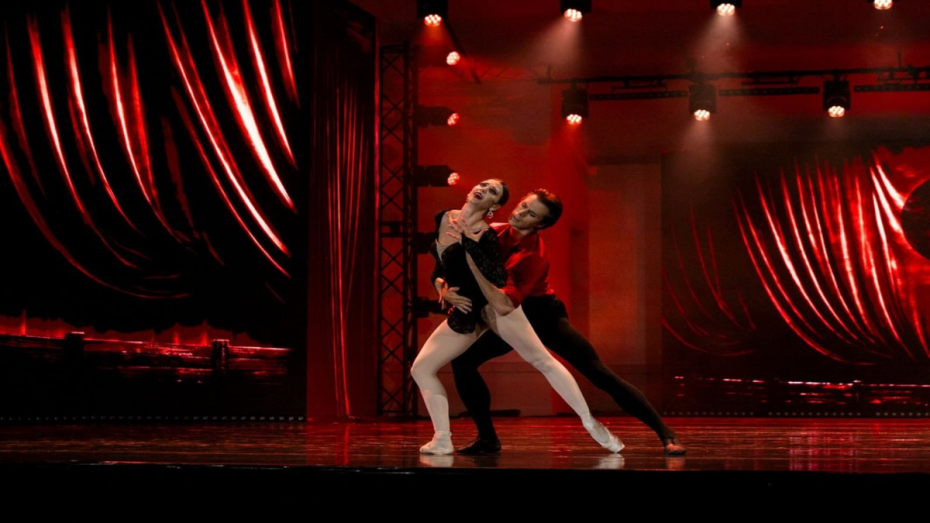
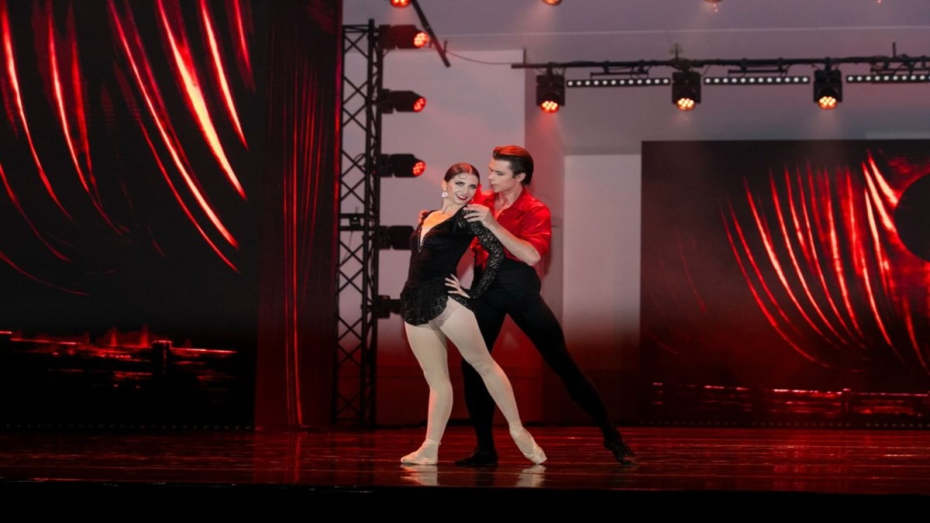
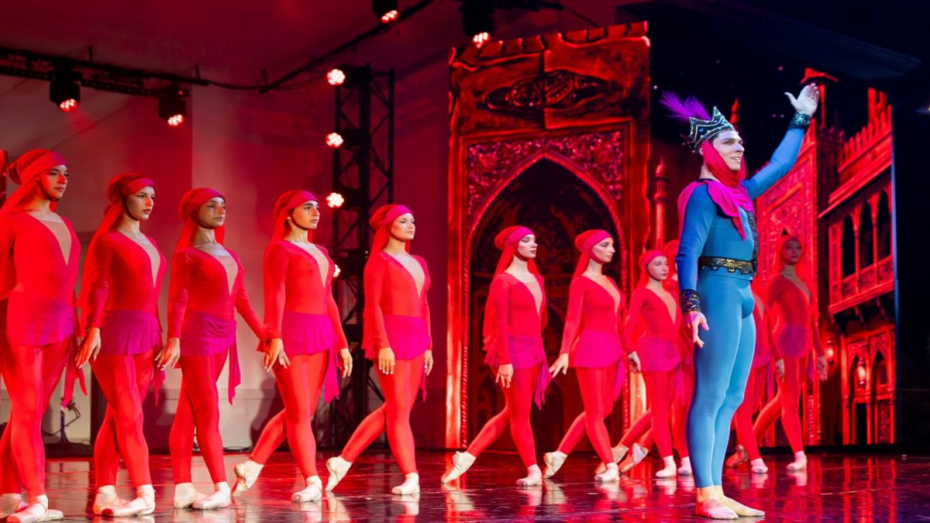
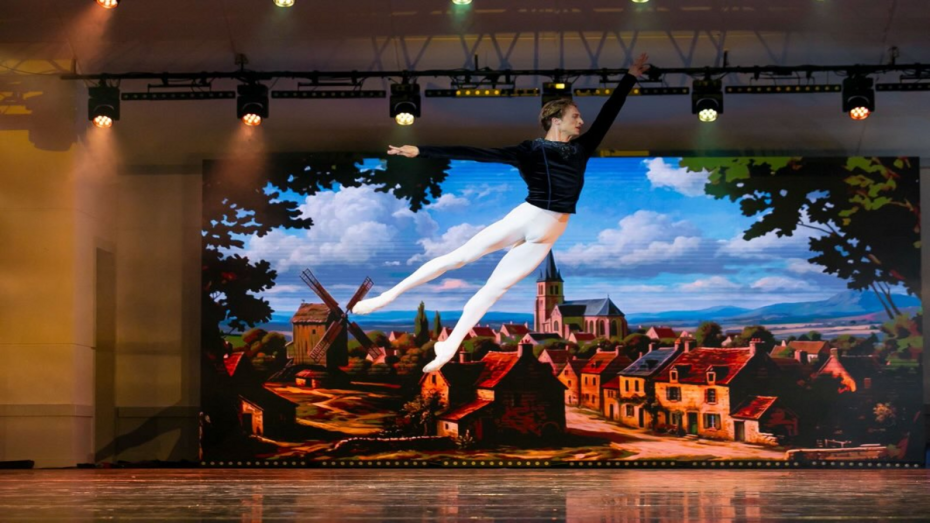
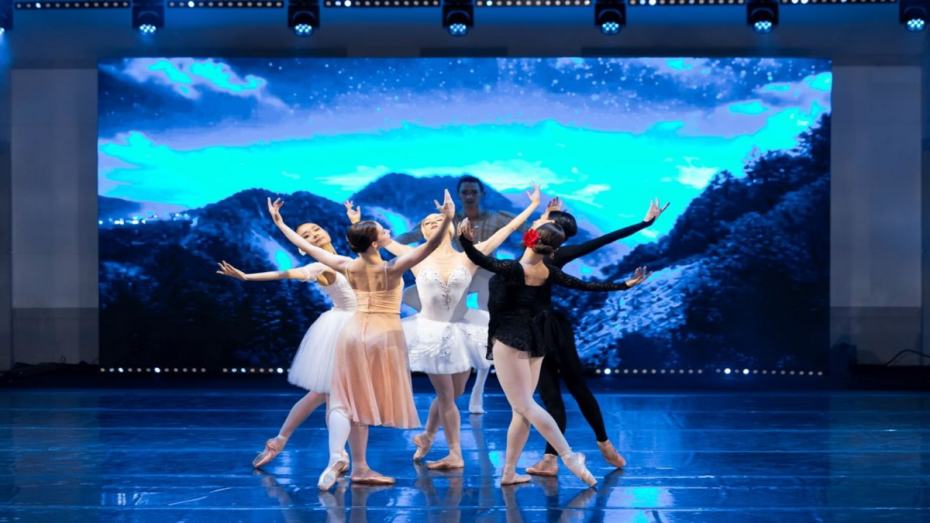
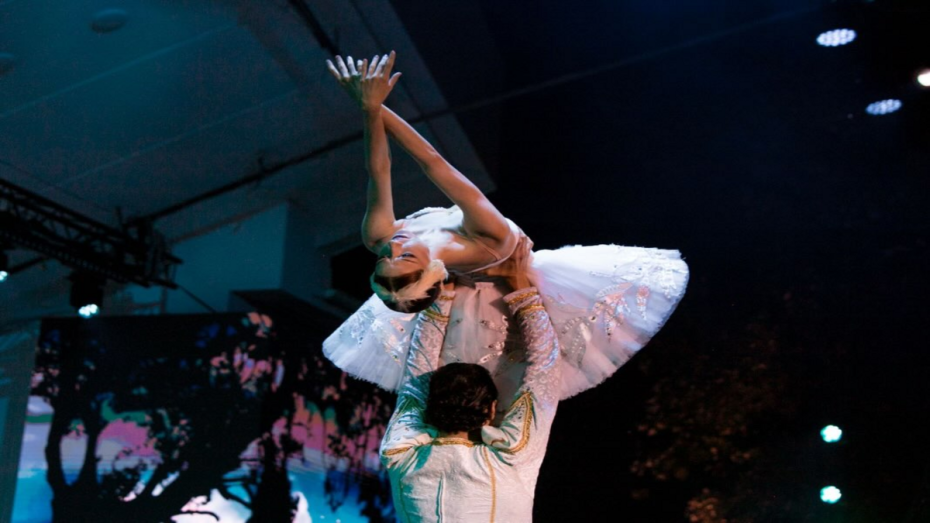
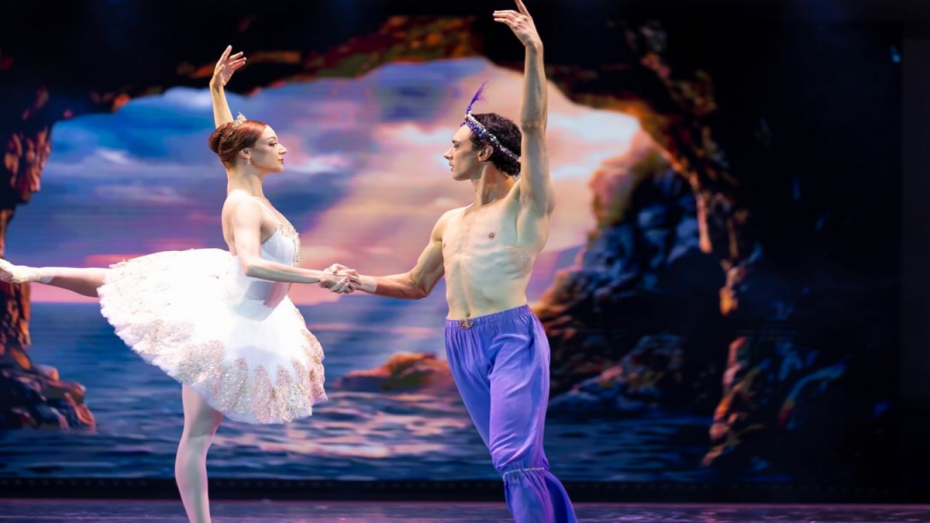
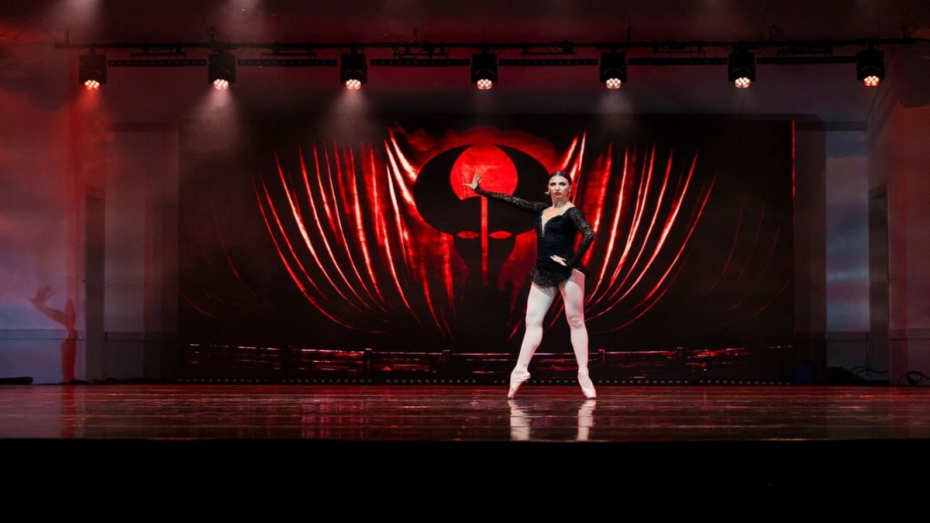
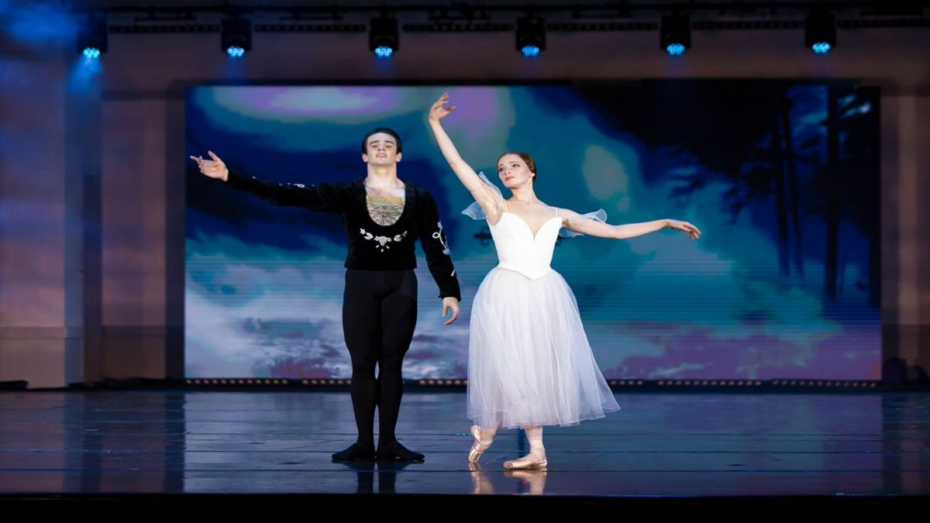
The programme later shifted from symphonic music to dance, with an international ballet gala bringing together performers from leading companies including the Dutch National Ballet, Vienna State Ballet, the Bolshoi Theatre and the Bavarian State Ballet.
For many visiting dancers, it was a first opportunity to perform in Azerbaijan. The evening showcased a diverse repertoire while highlighting the shared language of ballet across different traditions and schools.
Artists interviewed during the festival spoke not only about performing but also about the opportunity to engage with colleagues from different countries and experience Azerbaijan's cultural landscape firsthand.
The result was less a series of individual performances than a collaborative celebration of a global art form.
Crossroads of cultures
Away from the main concert venue, visual art became an increasingly visible part of the festival programme.
The inaugural international exhibition Crossroads of Cultures brought together more than 30 artists from 11 countries. Curated around the idea of cultural exchange, the exhibition featured works by artists from Azerbaijan alongside participants from countries including China, Hungary and the United Kingdom.
According to organisers, the exhibition was designed as a series of interconnected artistic journeys, encouraging visitors to explore different perspectives while engaging with common themes of identity, memory and place.
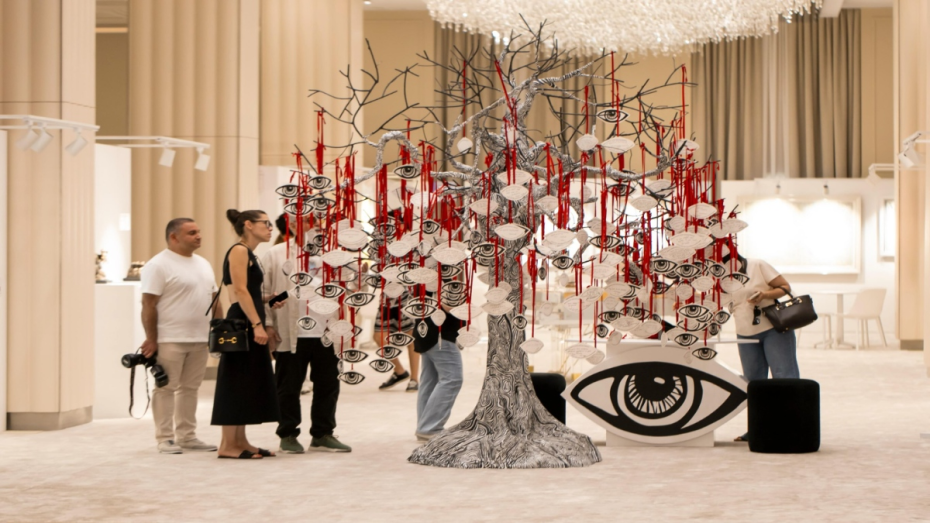
One of the central installations, Tree of Vision, invited visitors to contribute written reflections and hopes for the future. As the week progressed, the artwork evolved through audience participation, blurring the distinction between artist and observer.
Art as participation
A key feature of this year's festival was its emphasis on public engagement.
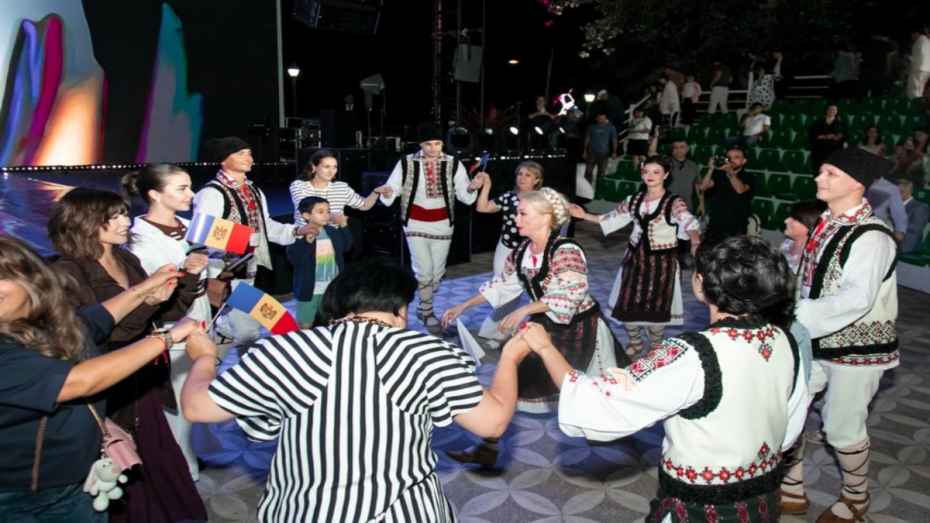
Throughout the festival grounds, visitors were encouraged to take part in workshops, discussions and creative activities rather than simply attend performances.
Artists led sessions in traditional crafts, painting and other hands-on practices, while families and children participated in activities inspired by both local and international artistic traditions.
The approach reflected a broader effort to make culture more accessible and interactive, especially for younger visitors encountering some of these art forms for the first time.
Cultures meeting through music
International participation remained central to the festival's identity.
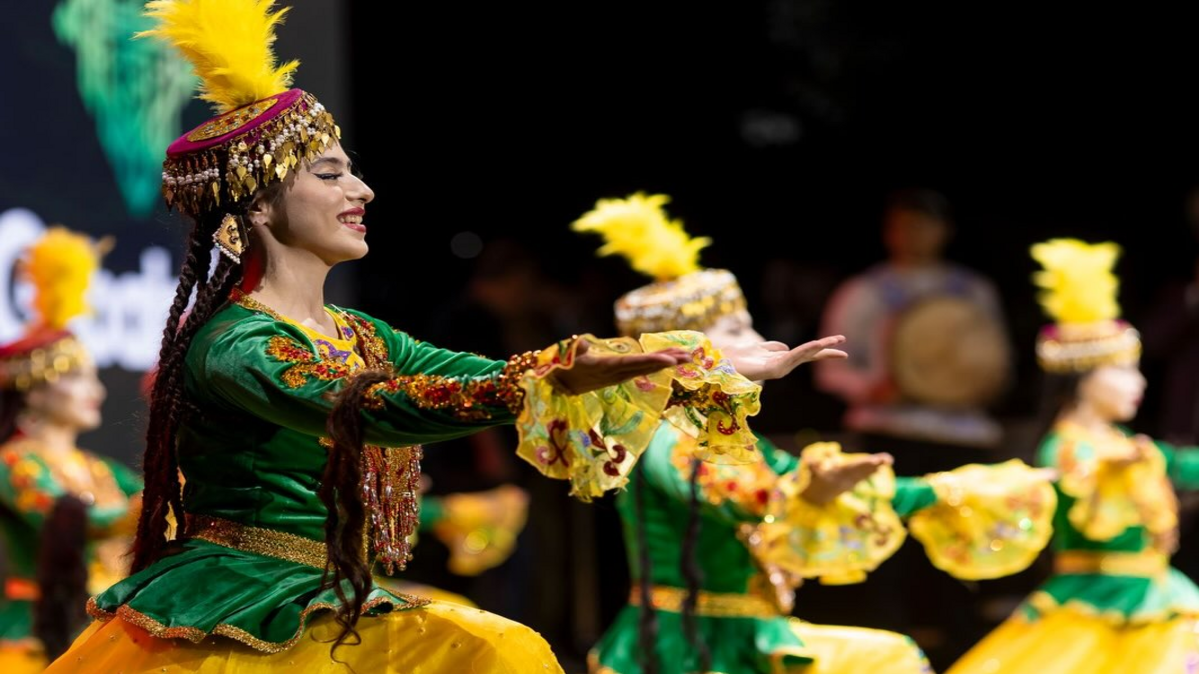
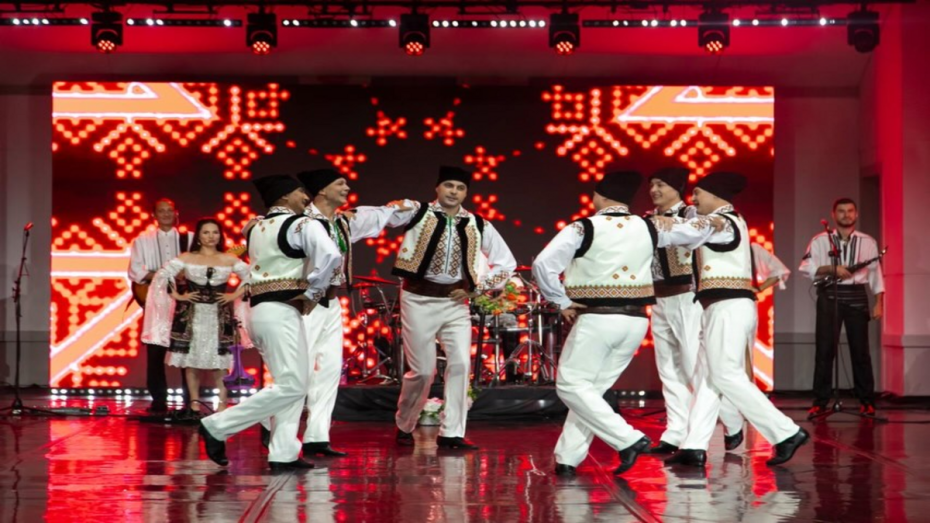
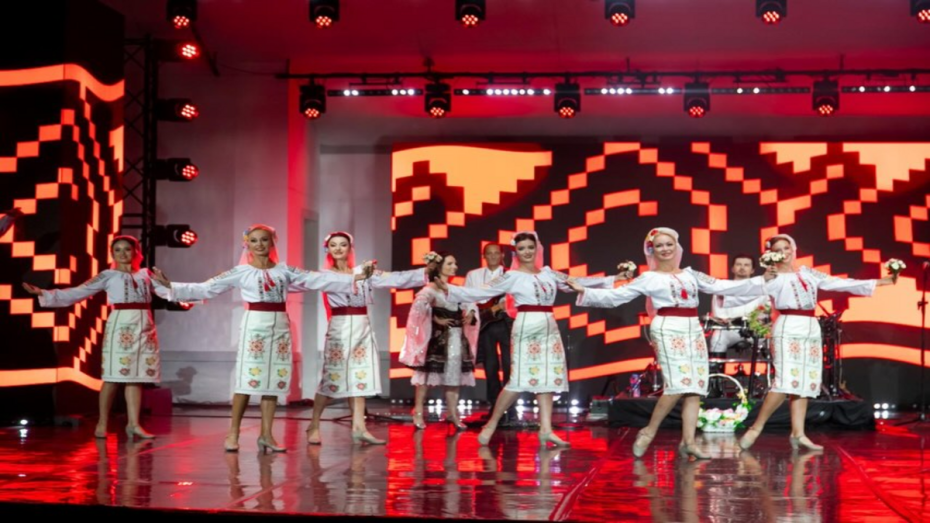
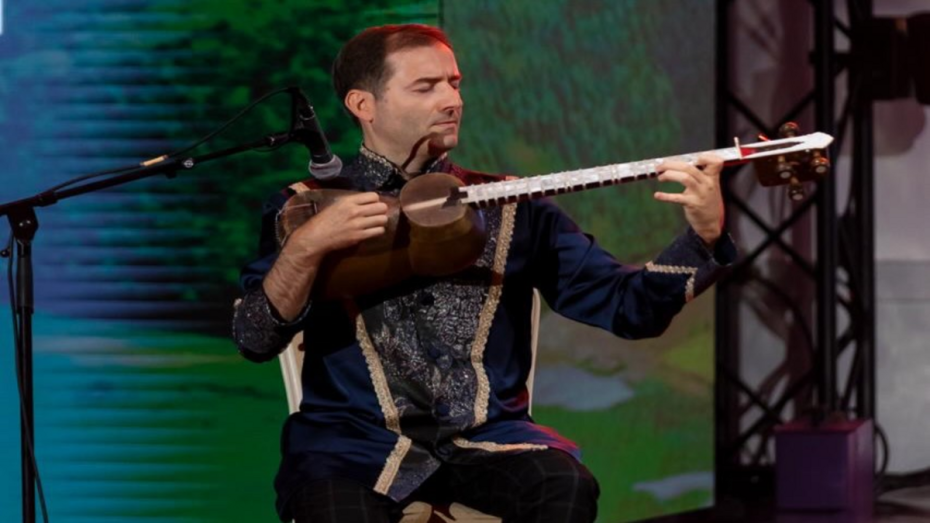
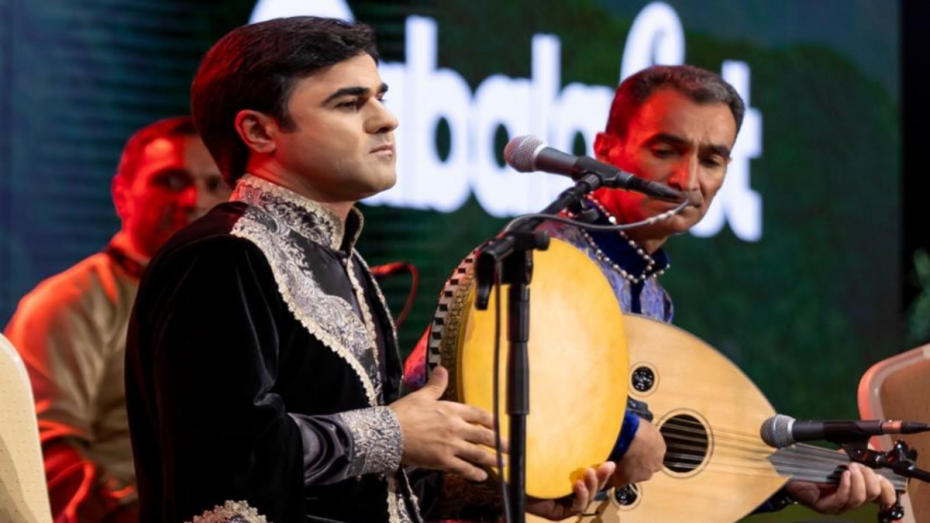
Among the guest performers were musicians from Vietnam, who introduced audiences to musical traditions from Southeast Asia, while ensembles from Uzbekistan presented folk music and dance performances reflecting Central Asian cultural heritage.
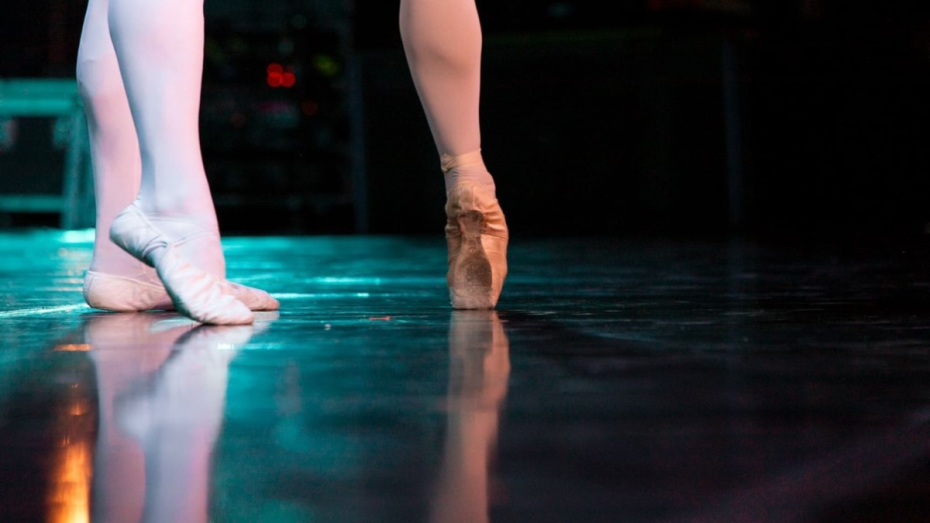
Backstage, artists prepared in different languages and traditions. On stage, those differences became part of the festival's wider conversation about cultural exchange.
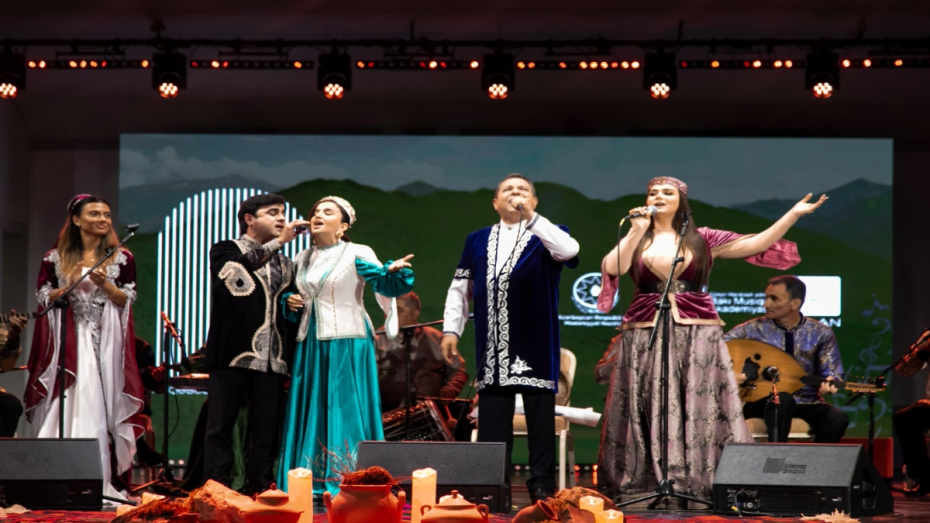
The performances offered audiences an opportunity to encounter artistic traditions rarely seen together in a single programme, reinforcing the festival's role as a meeting point for different cultures.
More than a festival
Since its launch in 2009, the Gabala International Music Festival has developed into a broader cultural event encompassing multiple artistic disciplines. While classical music remains at its core, the programme now includes exhibitions, workshops, literary initiatives and educational projects alongside its concert schedule.
That expanded format was particularly evident this year, as organisers sought to create a programme where audiences could move between performances, exhibitions and participatory activities within the same space.
The result was a festival that focused not only on presenting art, but also on creating opportunities for dialogue between artists, audiences and cultures.
As the latest edition concludes, the festival's significance lies not simply in the number of performances staged, but in its ability to bring together different creative traditions and communities in one place. For six days, Gabala became a forum where music, dance and visual art could be experienced side by side, offering a snapshot of culture as a shared international language.













What is your opinion on this topic?
Leave the first comment