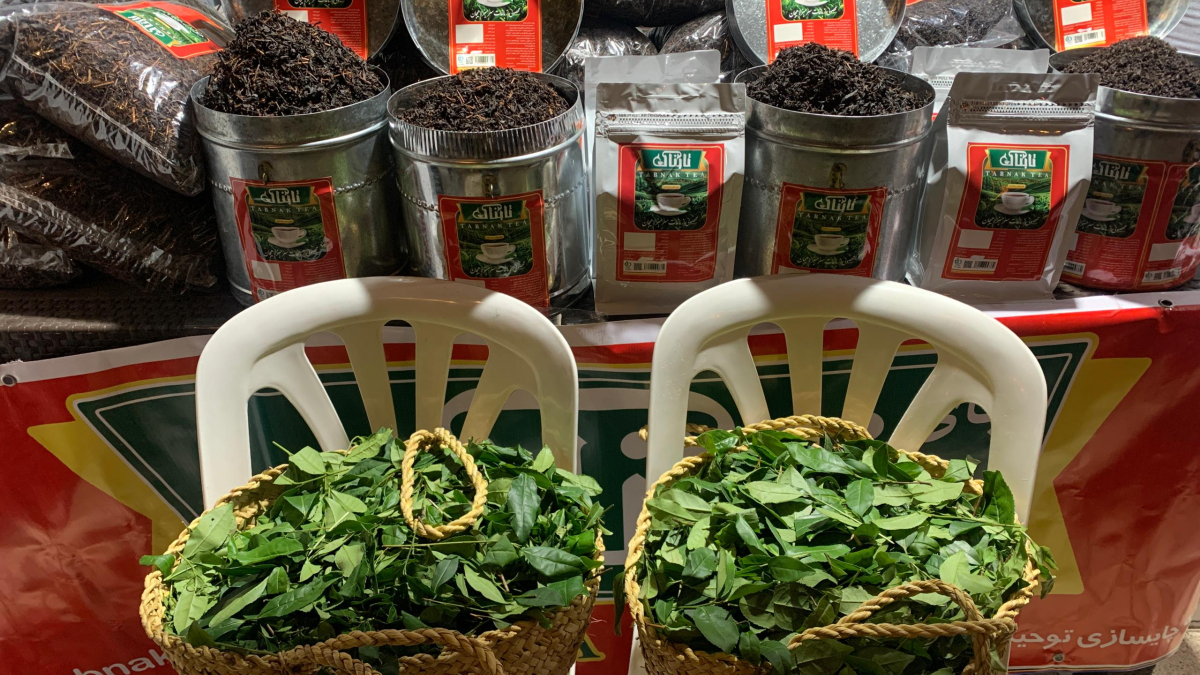
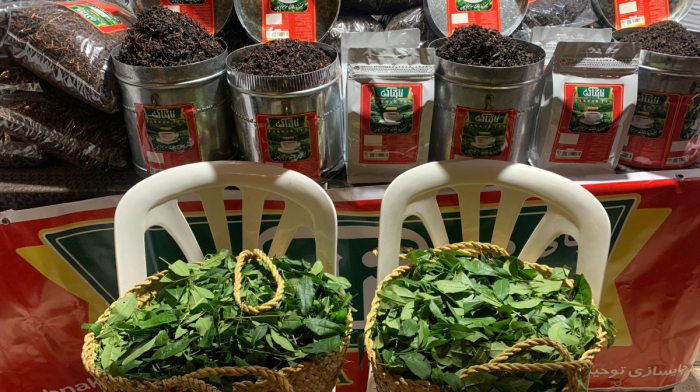
Iran is looking to turn its centuries-old tea culture into an opportunity for trade, industrial development and tourism as it held the Second Tea Festival in the northern province of Gilan bordering the Caspian Sea.
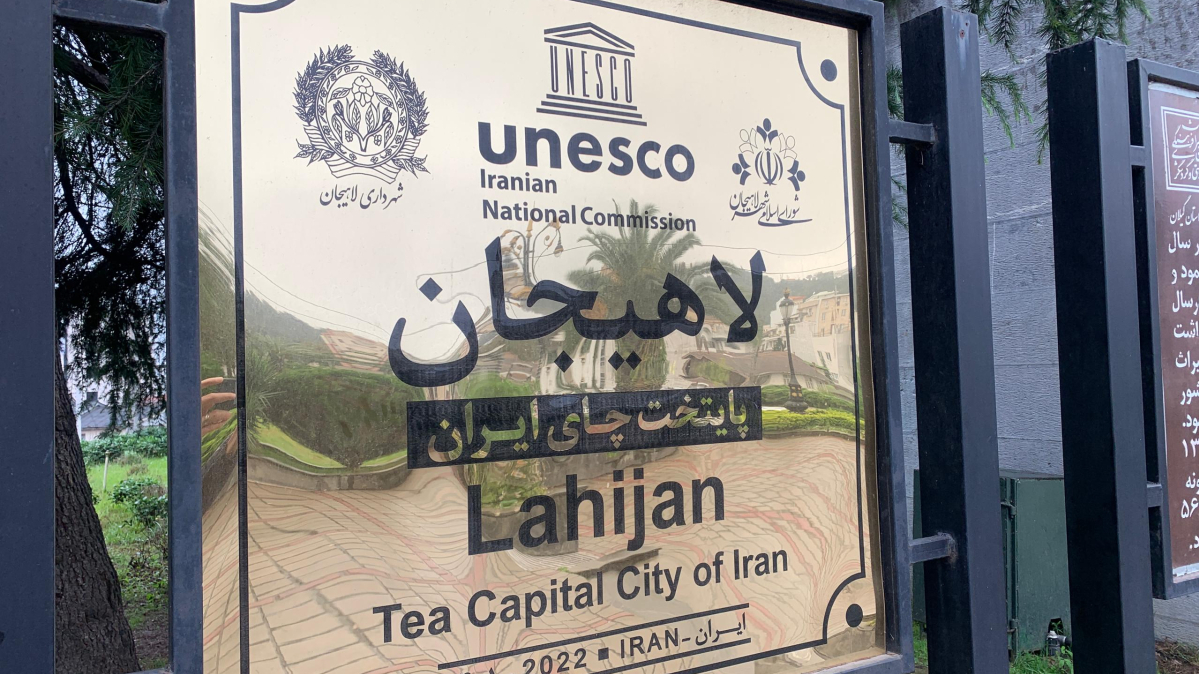
The event in Lahijan city, known as Iran's tea capital, highlighted the economic potential of Iran's tea industry, as well as the local cultural and natural attractions. It also offered an opportunity to showcase local products, strengthen trade connections and encourage investment in tea processing and production.
Tea cultivation supports 55,000 households
Stretching along the southern coast of the Caspian Sea, Iran's tea gardens cover approximately 22,000 hectares in Gilan and Mazandaran provinces, providing livelihoods for around 55,000 households.
According to Iran's National Tea Organization's figures, Lahijan, host of the festival, has 5,100 hectares of active tea gardens and accounts for 22 per cent of Iran's total tea production.
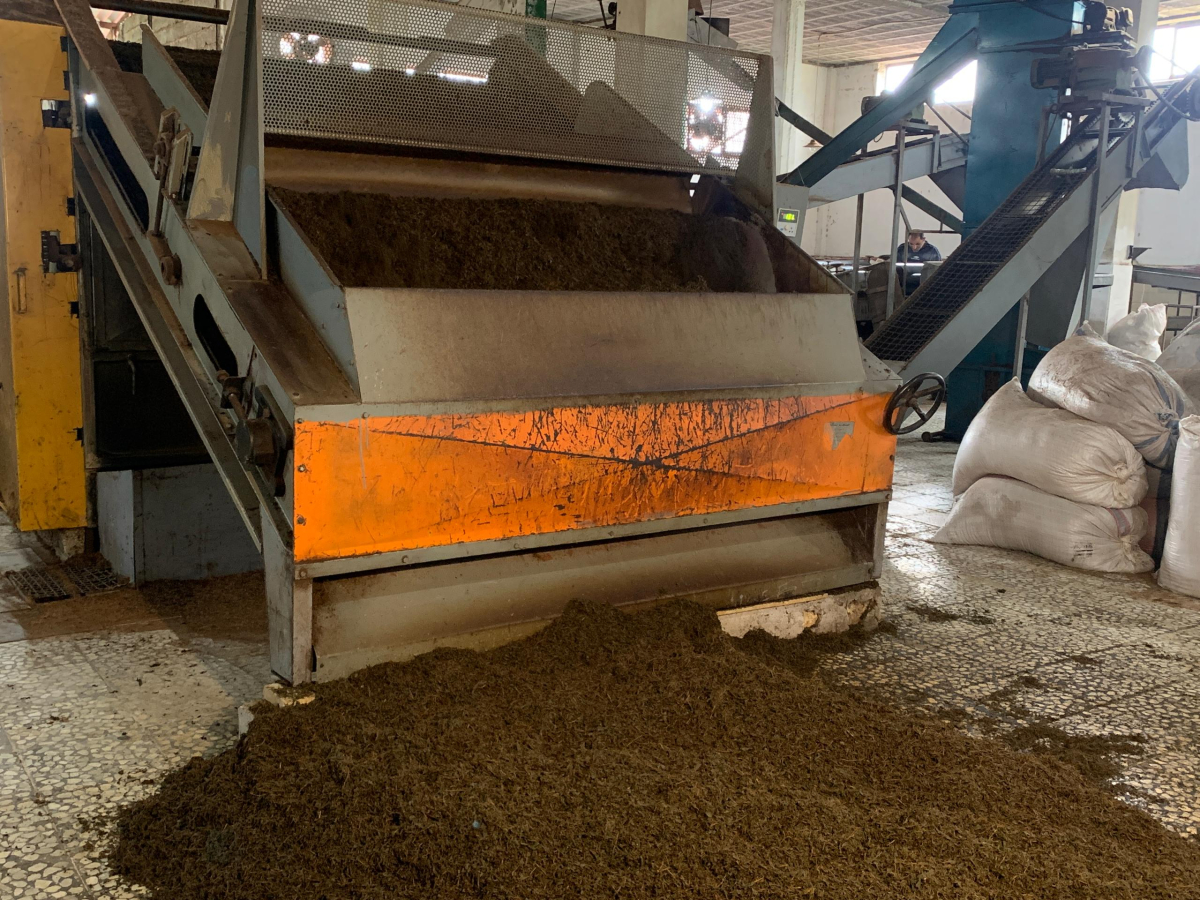
Since 21 March, the beginning of the Iranian year, around 107,000 tonnes of tea leaves have been harvested, with an estimated value of $22 million. A total of 168 tea factories purchased the leaves, while processed tea production exceeds 24,000 tonnes.
Domestic demand drives tea imports
But the same statistics reveal that the industry faces the significant challenge of meeting domestic demand.
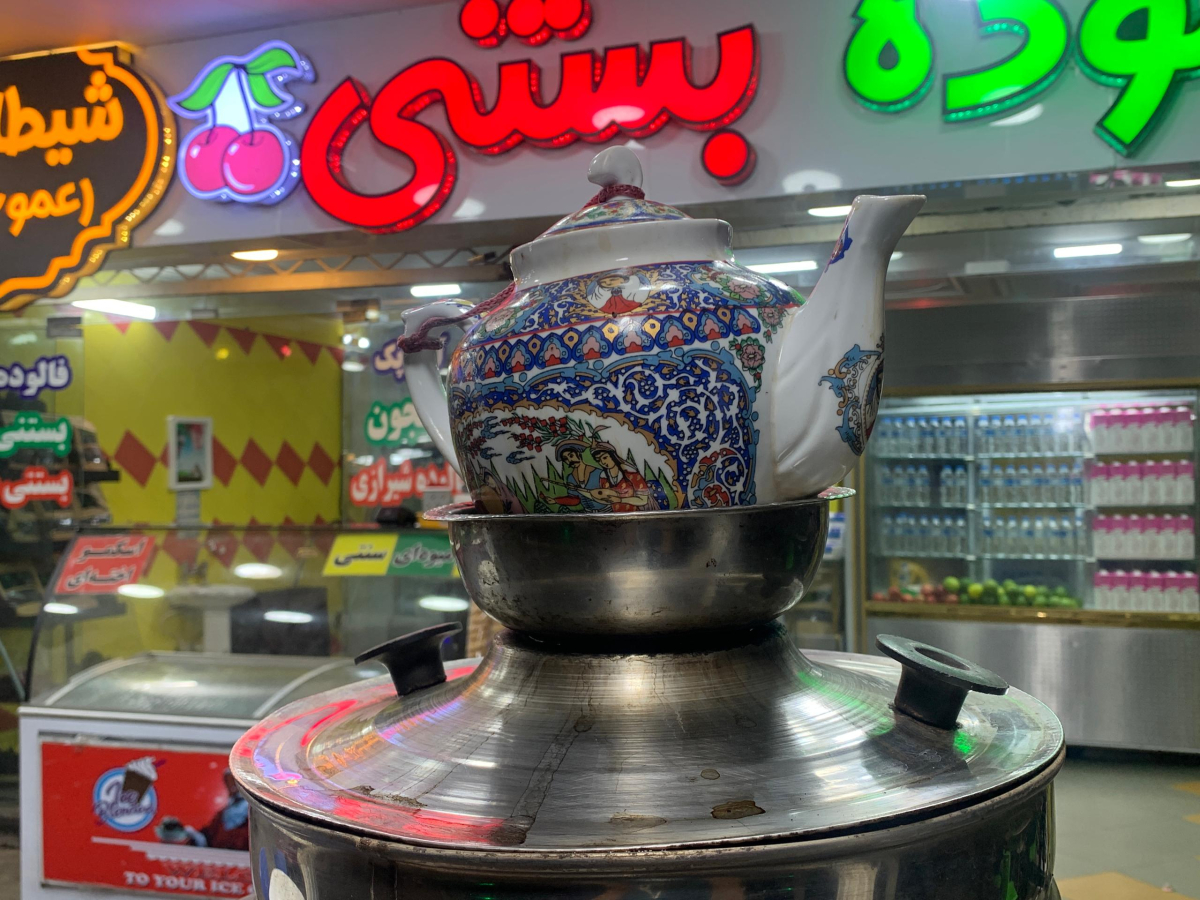
Iran consumes approximately 70,000 tonnes of tea annually, with per capita consumption of around 1.5 kilograms. Domestic production supplies about 30 per cent of the market, leaving the country reliant on imports.
While Iran needs around 50,000 tonnes of imported tea each year to meet demand, efforts to expand its own industry are also opening doors to international markets.
Some 4,000 tonnes of Iranian dry tea, valued at $8 million, have been exported this year, the National Tea Organization told AnewZ correspondent Touraj Shiralilou after covering the festival Monday evening (19 October).
Tea tourism offers new opportunities
Beyond the industry itself, Lahijan's tea gardens, breathtaking landscapes and cultural heritage offer another attraction: tourism. By linking tea production with regional experiences, Iran hopes to create new economic opportunities for local communities.
As the Second Tea Festival closed, the challenge is to build on the country's tea-growing tradition, reduce reliance on imports and establish a stronger position for Iranian tea in international markets.
Read more about Iran:















What is your opinion on this topic?
Leave the first comment