In the marshlands of Malluba in southern Azerbaijan, Kamil Mammadov follows a routine that has been passed down through generations. His family has worked with medicinal leeches for centuries, harvesting and breeding a species known as Hirudo orientalis, or the Caucasian medicinal leech.
Today, however, the tradition is evolving. What was once a small-scale family trade is increasingly being viewed as a potential contributor to Azerbaijan's diversification efforts beyond oil and gas.
From wild harvesting to commercial farming
Rather than relying solely on wild populations, breeders in Azerbaijan are increasingly turning to controlled farming.
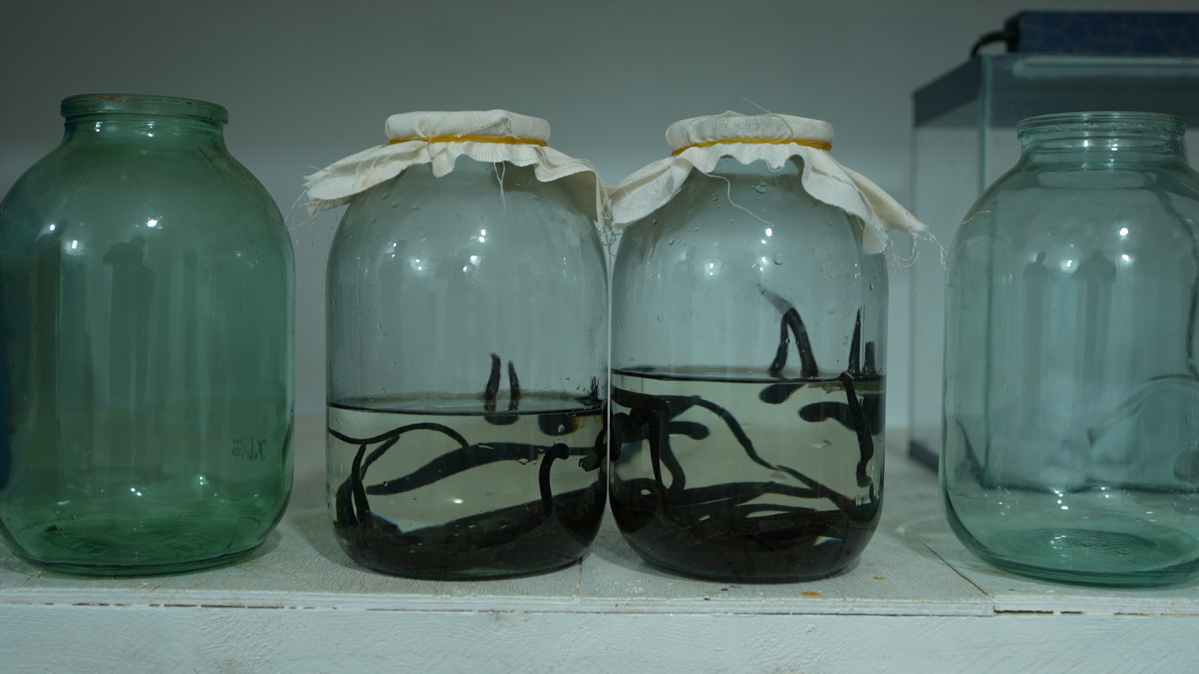
Medicinal leeches are first allowed to reproduce in specially designed containers before depositing eggs in soil. The eggs develop inside self-produced cocoons and require six to seven months to mature into a marketable generation.
This shift towards farming is partly driven by environmental regulations. Wild harvesting is tightly restricted, with Azerbaijan maintaining an annual collection quota of around 36 kilograms. By comparison, neighbouring Türkiye permits harvests measured in tonnes.
As a result, anyone aiming to supply international markets at scale must depend on breeding programmes rather than collecting leeches from natural habitats.
According to Aykhan Gadashov, Head of Azerbaijan's export promotion platform Azexport, around ten commercial leech farms are currently operating across the country. He believes the industry has considerable growth potential if it can satisfy international certification requirements.
Chasing value in the non-oil economy
The push comes as Azerbaijan continues efforts to expand non-oil exports.
Official figures show strong growth across sectors outside the hydrocarbon industry, particularly in food production and agricultural exports.
Policymakers have also identified pharmaceuticals and related products as strategic areas that can generate higher-value exports and attract international buyers.
Medicinal leeches fit into that broader vision.
Industry representatives argue that internationally certified leeches can command premium prices on global markets.
However, while Azerbaijan has made progress harmonising export standards in several sectors, the leech industry has yet to secure the certifications needed to fully access those opportunities.
For many producers, regulatory recognition may prove just as important as biological expertise.
Ancient therapy still in use
The commercial interest surrounding medicinal leeches is rooted in their enduring medical application.
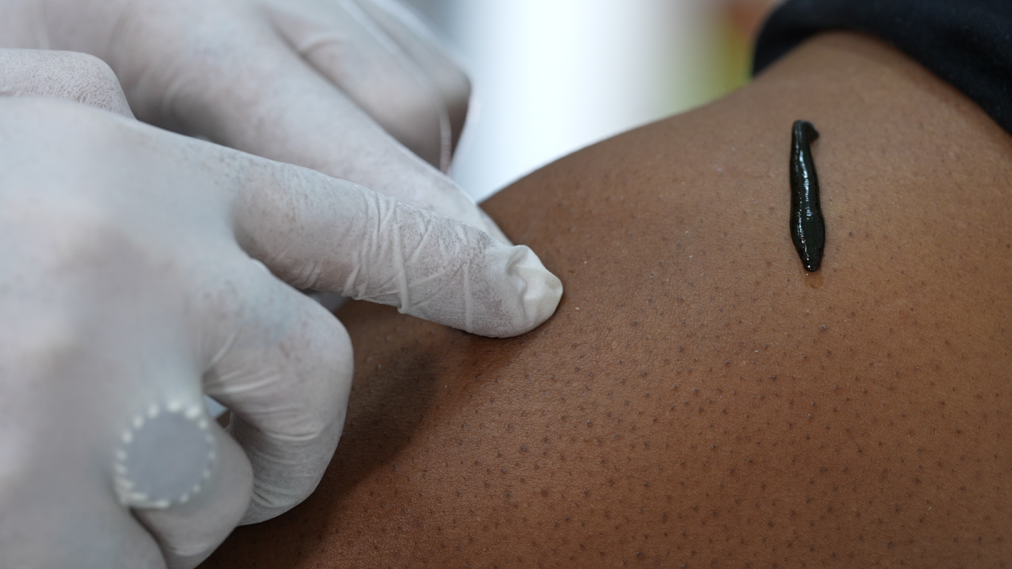
At a clinic near Baku, therapist Bahruz Zamag specialises in treatments that combine leech therapy with cupping and herbal medicine. He says most patients seek help for circulatory issues, muscle pain, vascular conditions and high blood pressure.
The key substance attracting medical interest is hirudin, a naturally occurring anticoagulant found in leech saliva. During feeding, leeches also release enzymes believed to improve blood flow and reduce vascular constriction.
Zamag emphasises that such treatments should only be carried out under professional supervision.
“We are strongly against applying leeches at home without specialist supervision,” he says.
His patients include both elderly people dealing with chronic conditions and younger clients, particularly athletes and those recovering from injuries.
Between tradition and modern medicine
Leech therapy occupies a unique position between folk medicine and modern clinical practice.
Historical records show that leeches were used extensively in ancient Egypt and remained common throughout Europe for centuries. Accounts suggest aristocrats even used them before social events to improve complexion and circulation.
While some practitioners continue to promote cosmetic applications today, mainstream medicine approaches such claims cautiously.
Hospitals and medical institutions generally require rigorous scientific evidence before incorporating alternative therapies into standard care. This creates a slower path to formal acceptance.
Nonetheless, medicinal leeches continue to be used in various parts of Europe, the Middle East and North America, particularly in reconstructive surgery and specialised circulatory treatments.
A recent study conducted at a medical centre in Baku involving 181 patients reported positive outcomes across several conditions, including osteoarthritis and circulation-related disorders, using leeches supplied from licensed Azerbaijani farms.
Small creature with big ambitions
Azerbaijan's medicinal leech sector may seem unusual, even by the standards of alternative medicine.
Yet its supporters see genuine potential.
The country's breeders are attempting to transform an ancient practice into a modern export business, linking centuries-old knowledge with contemporary healthcare markets.
Whether medicinal leeches become a significant component of Azerbaijan's non-oil economy will depend on factors far removed from the ponds where they are bred: certification systems, international regulations and global market access.
For now, however, a trade that has survived for generations is quietly adapting to a new era, one cocoon and one export opportunity at a time.
Read more from Azerbaijan:



















What is your opinion on this topic?
Leave the first comment