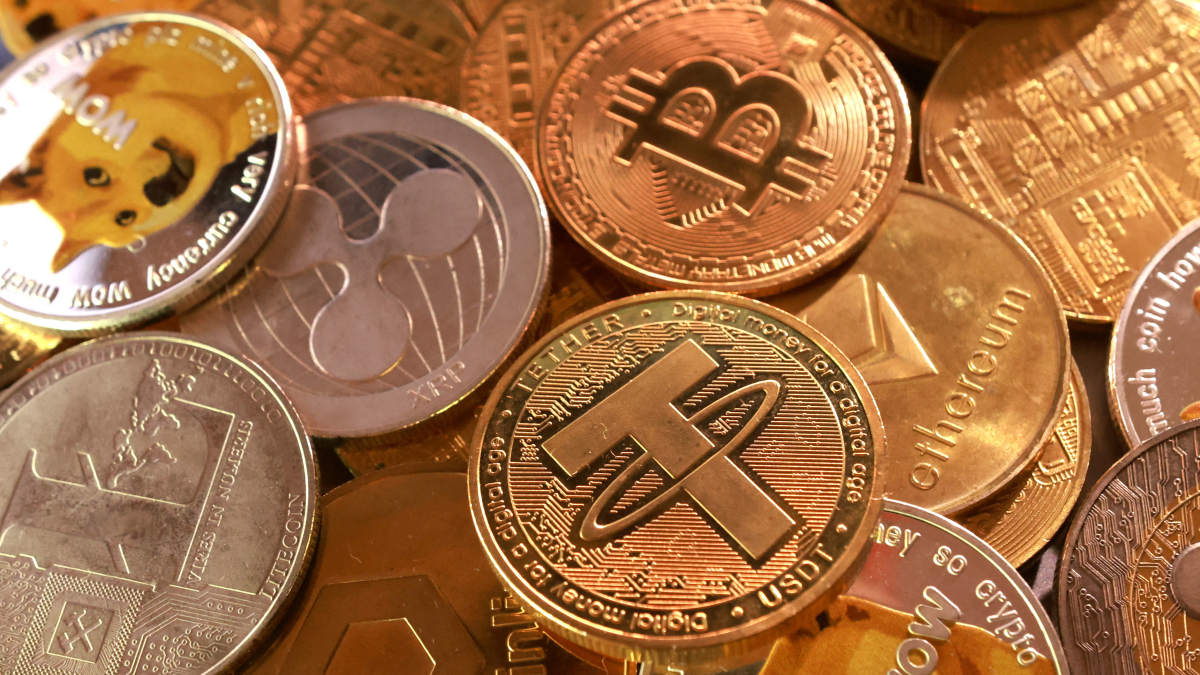
Cryptocurrencies are volatile, and their crashes make headlines. But does a slump in digital coins ever spill over into the pounds, dollars and euros in people's bank accounts? The short answer is not directly, but indirectly it can, and regulators are increasingly worried about how.
The question has taken on fresh urgency this week after hackers stole around $6.3 billion from Binance, the world’s largest crypto exchange, in what is the largest crypto hack on record.
Blockchain-intelligence firms have linked the attack to a North Korean unit, and Binance has pledged to cover all losses. Even so, bitcoin fell more than four per cent as the hack weighed on crypto markets.
When bitcoin falls, the value of the dollar doesn't. Fiat currencies are backed by governments and central banks, and their value rests on factors such as interest rates, inflation and trust in the issuing country’s economy.
Crypto is still a relatively small corner of global finance, but regulators have long cautioned that this could change as the two worlds become more entwined.
The European Central Bank (ECB) said in 2022 that exposure to crypto by banks and other financial institutions on a wide scale could put capital at risk and damage investor confidence, lending, and financial markets.
How a crash could spread
The first route is through borrowing. Many traders buy crypto with borrowed money, and when prices fall, lenders demand repayment and positions are sold off, which can push prices lower still.
The ECB has flagged that highly leveraged trading offered by crypto exchanges heightens risks to financial stability.
The second is exposure among banks and investors. If banks, hedge funds or pension funds hold crypto or crypto-linked products, big losses can eat into their capital.
After the 2022 crypto crash, which wiped out more than $2 trillion in value, the Bank of England said overall financial stability wasn’t threatened but warned that risks would grow as crypto became more intertwined with the wider system.
The third is via changes to household wealth. Millions of ordinary people own crypto, and a survey cited by the ECB found one in ten eurozone households had bought crypto.
Heavy losses can mean less spending, which matters for the wider economy, though only if holdings are large relative to people’s overall wealth.
The stablecoin problem
The biggest concern centres on stablecoins, tokens designed to hold a steady value, usually pegged to the U.S. dollar.
They are meant to be the calm part of the crypto world, but the collapse of TerraUSD in 2022 showed that the label can be misleading In the ensuing turmoil, the price of Tether came under pressure, with the largest stablecoin temporarily losing its peg.
The International Monetary Fund (IMF) said in October 2025 that the stablecoin market had reached about $305 billion, warning that a crisis of confidence could spark a liquidity crisis.
It also pointed to a recent episode in which Ethena’s USDe temporarily lost its stability and plunged to $0.65 during a sharp sell-off.
The IMF also said that widespread stablecoin use could undermine central banks’ monetary influence by limiting their ability to manage liquidity and control inflation, and that in some economies this could mean a loss of monetary sovereignty.
What regulators are doing
Regulators overall are divided on the size of the threat a crypto crash poses to the financial system and broader economy.
The ECB has urged that existing stablecoins be brought into the regulatory perimeter with urgency. Several major banks are also exploring the development of fully collateralised digital currencies. That could make stablecoins safer, but it would also tie them more closely to the traditional system.
A crypto crash on its own will not make the dollar worth less. The real risk lies in the links: borrowing, bank exposure and, above all, stablecoins that sit on top of traditional assets. The more those links grow, the more a shock in crypto could travel into the wider economy.
Read more about cryptocurrency:






















What is your opinion on this topic?
Leave the first comment