Russian President Vladimir Putin has praised record trade with Egypt as Moscow seeks to use its economic ties with Cairo to expand its influence across Africa, with a focus on manufacturing, infrastructure and energy.
Meeting Egyptian President Abdel Fattah al-Sisi on the sidelines of the Russia–Africa Summit in Moscow on Wednesday, Putin said bilateral trade exceeded $10 billion in 2025 for the first time and grew by a further 14 per cent in the first eight months of 2026, according to Anadolu Agency.
The ambitions stretch far beyond Egypt. Putin said Russia's total trade with Africa had risen by 50 per cent since 2022 to more than $27 billion, as Moscow seeks to move beyond commodity exports and expand into manufacturing, infrastructure and energy projects across the continent.
Why Egypt matters to Russia's Africa trade ambitions
According to Egypt's State Information Service, grain remains a major Russian export to Egypt, alongside vegetable oils, fuel, iron and steel.
Russia supplied Egypt with 8.3 million tonnes of wheat during the 2024/25 marketing year, making it the country's largest supplier, according to the U.S. Department of Agriculture.
But Moscow wants to build on that trading relationship.
During Wednesday's talks, Sisi and Putin reviewed plans to establish a Russian Industrial Zone within Egypt's Suez Canal Economic Zone, according to the Egyptian Presidency.
The project aims to attract Russian manufacturers to Egypt, boost local production and strengthen commercial links with African markets.
For Moscow, the zone could provide a gateway to African markets, allowing Russian companies to manufacture goods closer to customers across the continent rather than relying solely on exports.
From grain shipments to nuclear reactors
Russia's economic ties with Egypt also extend to one of the country's largest energy projects.
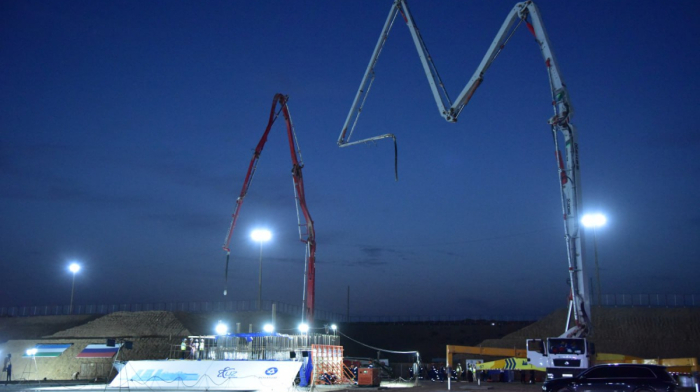
Russia's state nuclear corporation Rosatom is building the El Dabaa Nuclear Power Plant on Egypt's Mediterranean coast, comprising four reactors with a combined generating capacity of 4,800 megawatts.
Speaking during Wednesday's meeting, Putin said construction was on schedule, while Sisi described the plant as the most significant project in bilateral cooperation and called for continued support to meet agreed deadlines, according to Anadolu Agency.
Egypt is already exploring further nuclear cooperation.
During the meeting, Sisi raised the possibility of additional power units beyond 2030, a research reactor, testing facilities and cooperation on smaller nuclear technologies.
The proposals come as Rosatom seeks to expand its presence across Africa.
According to Reuters, the company is in advanced discussions with Egypt, Togo, Namibia and Tanzania over potential floating nuclear power plants.
These facilities would use compact nuclear reactors aboard towable vessels, requiring less onshore infrastructure than conventional nuclear plants, according to Reuters.
Although no firm commitments have been announced, the talks highlight Russia's efforts to take its nuclear technology into new African markets.
Russia challenges Western influence in Africa
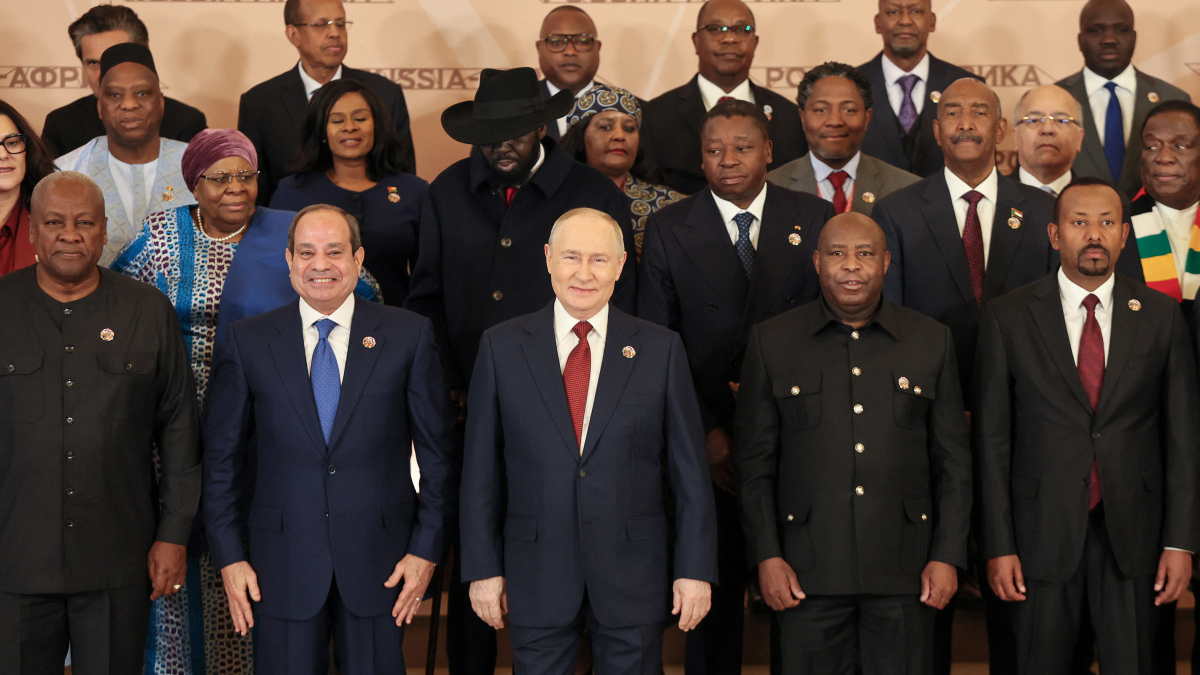
Moscow's wider ambitions were on display at the summit, which brought together delegations from 48 African countries, including 22 leaders, according to Reuters.
Addressing participants, Putin offered greater cooperation on grain and fertiliser supplies, transport infrastructure, agriculture and technology.
He also pledged to support local manufacturing and called for stronger African representation in the International Monetary Fund and World Bank.
Moscow is positioning its proposals as an alternative to Western-led economic partnerships. Putin accused Western countries of exploiting African resources and imposing unfavourable financial terms, without naming specific governments.
The push is also geopolitical. Reuters reports that Moscow is seeking to strengthen its influence across Africa amid Western pressure over its war in Ukraine.
Western governments have accused Russian paramilitary forces of supporting military-led governments in parts of Africa to bolster Moscow's influence. Russia denies those accusations.
Ethiopia and Togo show what comes next
Beyond Egypt, talks with Ethiopia and Togo highlighted Moscow's efforts to turn its African ambitions into concrete projects.
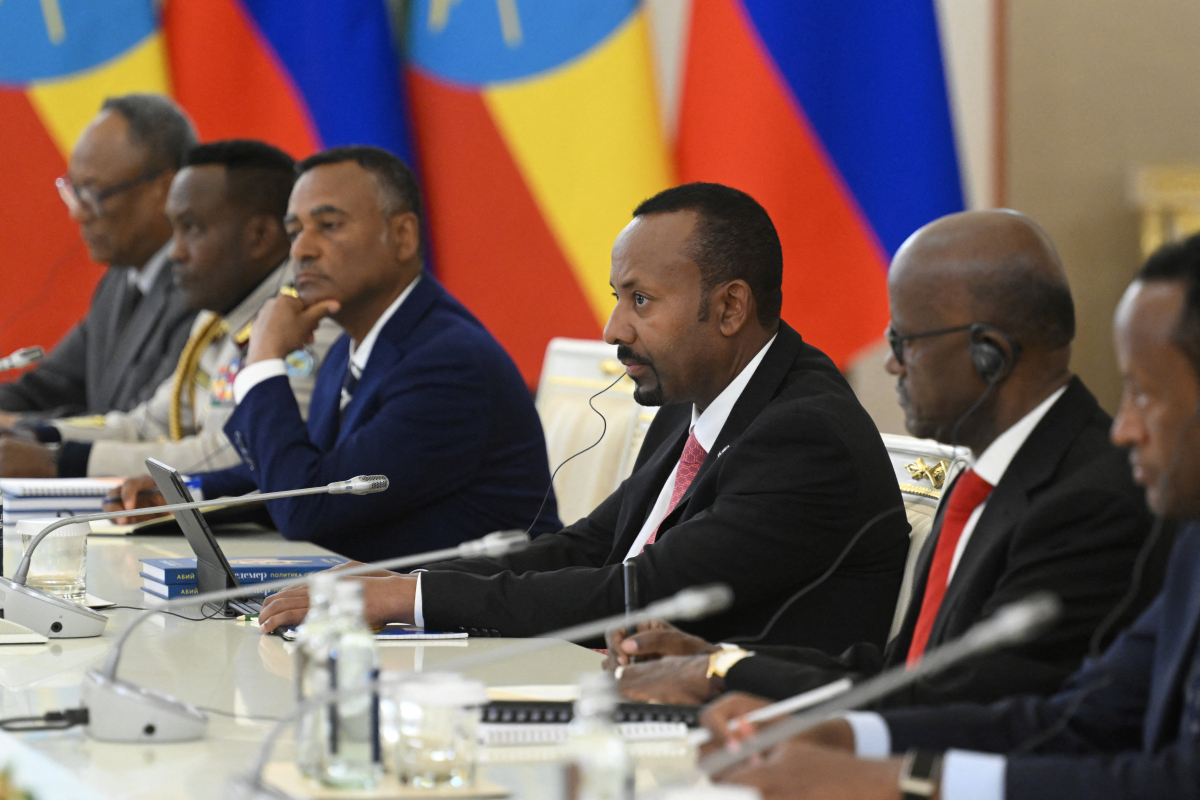
Ethiopian Prime Minister Abiy Ahmed called for a formal agreement on nuclear cooperation with Russia, including financing arrangements and training for Ethiopian engineers and regulators, according to a Kremlin statement cited by Anadolu Agency.
He also sought greater access for Ethiopian exports to the Russian market.
Meanwhile, Russia's Rosatom signed a memorandum of understanding with Togolese authorities on Wednesday to explore cooperation on civilian nuclear technology.
The agreement covers the assessment of potential energy projects and the development of technical expertise. However, it does not commit either side to building a nuclear plant.
The summit is expected to conclude with a Russia–Africa Partnership Forum action plan for 2027–2029, outlining Russia's priorities for expanding trade, energy and infrastructure cooperation across the continent.











What is your opinion on this topic?
Leave the first comment