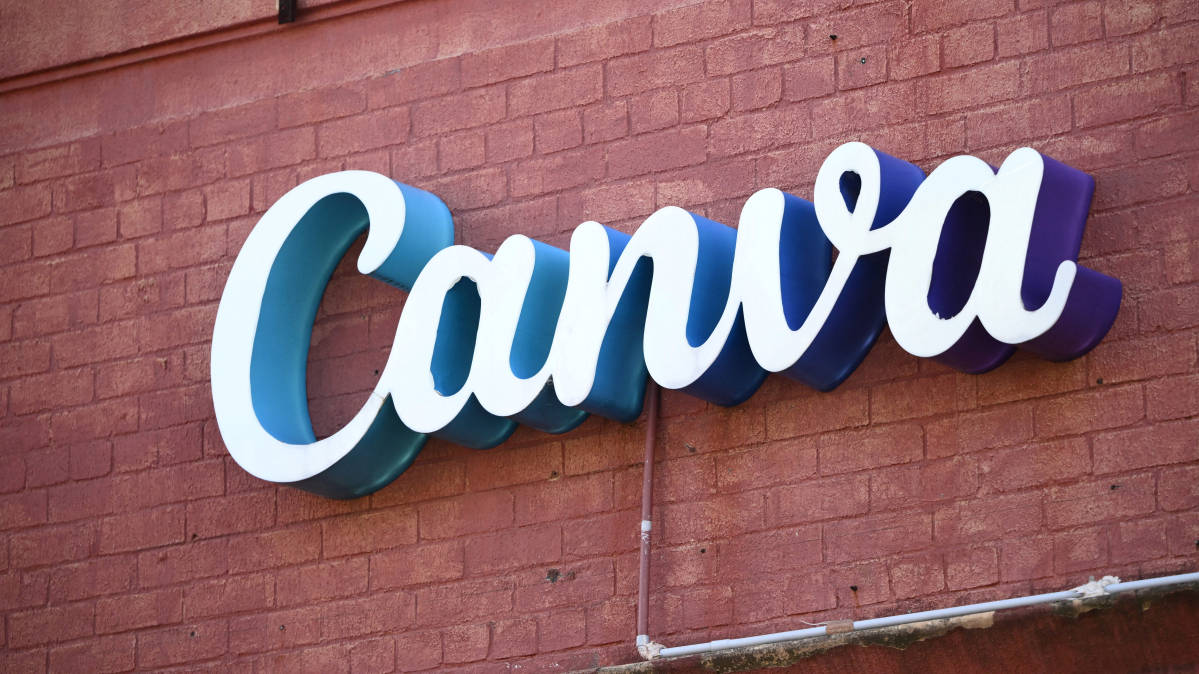
Australian design platform Canva has announced a major restructuring affecting 22 per cent of its workforce, with 1,271 employees facing job cuts, relocations or changes to their roles as the company grapples with slowing growth and rising AI costs.
Canva co-founder and chief executive Melanie Perkins confirmed the scale of the restructuring, describing the decision as “without doubt the hardest moment in our thirteen-year history”. The announcement marks a significant shift for one of Australia’s most successful technology start-ups, which has grown rapidly since its launch in 2013.
Growth slowdown prompts major shake-up
In a message to employees on Wednesday, Perkins acknowledged a difficult year for the company, with growth slowing for the first time in a decade. “It had been our hardest year yet, and as we shared earlier this year, our growth has slowed for the first time in a decade,” she wrote.
Perkins described the restructuring as an “incredibly hard decision” with far-reaching consequences for staff.
“For some people, this will mean changes to their roles or being asked to relocate to centralised hubs. Sadly, it will also mean saying goodbye to teammates and friends who have helped build Canva into what it is today,” she said.
Canva has not disclosed how many of the 1,271 affected employees will be made redundant, rather than relocated or moved into different roles.
The shake-up will also reshape how staff work across the company's operations in 37 countries. Sydney will become the main hub for more of its product teams, while employees on hybrid contracts will be expected to work from the office two to three days a week from next year.
AI costs mount as valuations fall
The restructuring comes amid growing concerns over the impact of artificial intelligence on Canva's business model, as the company faces mounting costs to integrate AI technology into its products.
Earlier this year, two of Canva’s major investors, Blackbird Ventures and Airtree, reportedly cut their valuations of the company to around A$49 billion ($34.4 billion), down from A$60 billion ($42.1 billion) at the end of last year.
Canva also reportedly reduced its internal valuation as spending on the development and launch of AI-powered products increased.
The rapid rise of generative AI is reshaping the digital design industry, making it easier for users to produce images, presentations and other visual content through increasingly advanced automated tools.
Canva has been expanding its own AI capabilities to keep pace with changing customer expectations and intensifying competition in the design software market.
From start-up success to mounting challenges
Founded in 2013 by Cliff Obrecht and Melanie Perkins, who left university at the age of 19 to pursue her first business venture, Canva has become one of Australia's most prominent technology companies.
Built around the idea of making graphic design accessible to everyone, regardless of technical skills or professional experience, the platform offers templates and tools for creating presentations, social media graphics, marketing materials, invitations and business pitch decks.
Its rapid international expansion has helped establish Canva as a major force in online design, with employees now spread across 37 countries.
But the latest restructuring signals a more challenging chapter for the company as it tries to sustain growth, manage rising costs and invest in AI technology that is transforming the industry.
Read more:













What is your opinion on this topic?
Leave the first comment