The European Commission sees no immediate impact on the European Union's security of oil supply from the escalating conflict in the Middle East, it said in an email to EU governments, seen by Reuters on Monday (2 March).
"At this stage, we do not foresee an immediate oil SOS (security of supply) impact," the Commission email said.
The Commission is considering convening an ad-hoc meeting of its Oil Coordination Group later this week. Member states have been asked to share their assessments of oil supply security by the end of the day on Monday.
Romania has reported having enough fuel reserves for 30 days and stated that all measures are in place to prevent price surges.
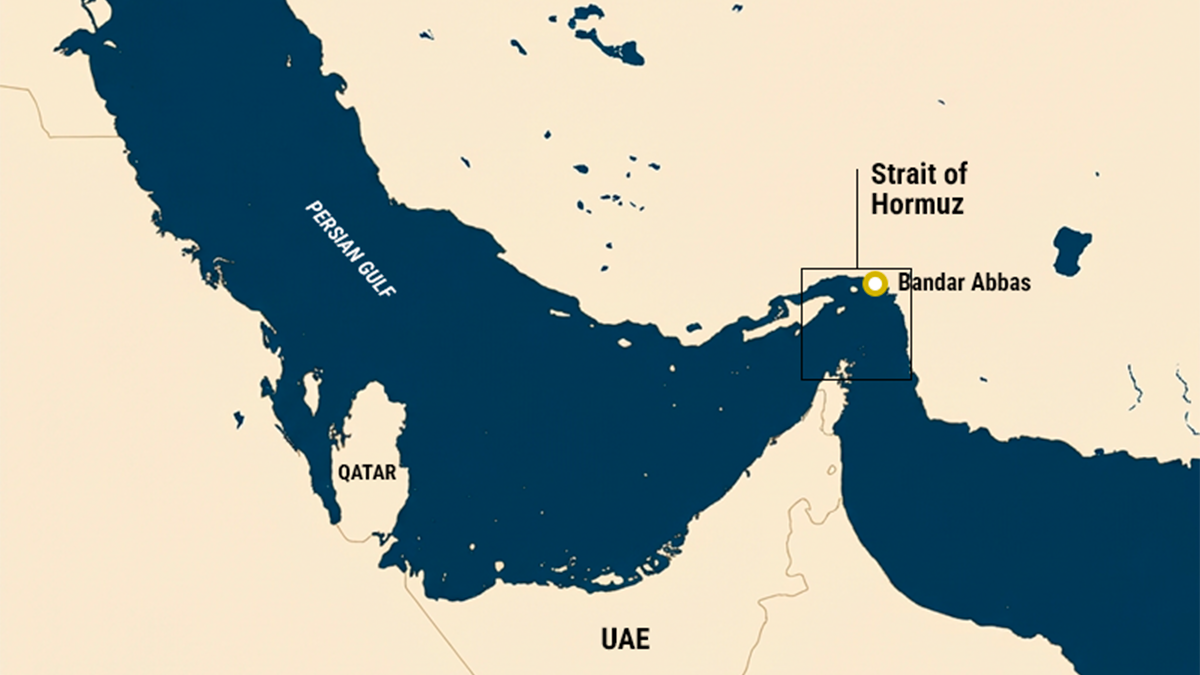
Strait of Hormuz concerns
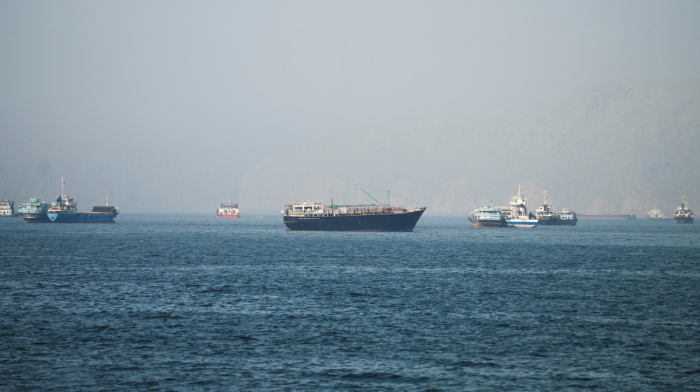
Shipping companies are wary of attacks and unable to obtain insurance against conflicts as this crucial waterway handles around 20% of the world’s oil and gas.
Jorge Leon, head of geopolitical analysis at Rystad Energy, said, "The most immediate and tangible development affecting oil markets is the effective halt of traffic through the Strait of Hormuz, preventing 15 million barrels per day of crude oil from reaching markets. Unless de-escalation signals emerge swiftly, we expect a significant upward repricing of oil."
Regional tensions escalate
Military strikes by the United States and Israel on Iran continue, while Iran has responded with missile barrages.
President Donald Trump suggested to the UK's Daily Mail that the conflict could last four more weeks, with attacks continuing until U.S. objectives are met.
While the Strait of Hormuz has not been blocked, its strategic importance, handling around a fifth of the world’s seaborne oil trade and 20% of liquefied natural gas-means any disruption can significantly impact global energy markets.
Economic Impacts
A prolonged spike in oil prices could reignite inflationary pressures globally, acting as a tax on businesses and consumers and potentially dampening demand.
OPEC+ agreed to a modest oil output boost of 206,000 barrels per day for April, but much of that product still needs to leave the Middle East by tanker.
Alan Gelder, SVP of refining, chemicals and oil markets at Wood Mackenzie, said: "The nearest historical analogue is the Middle East oil embargo of the 1970s, which increased oil prices by 300% to around $12/bbl in 1974. That is only US$90/bbl in 2026 terms. Eclipsing this in today’s market, given significant supply losses, seems very achievable."
Brent crude LCOc1 was last up 9% at $78.9 a barrel, set for its biggest daily jump since 2020's COVID-19-related turbulence and just surpassing its surge after Russia launched its full-scale invasion of Ukraine in 2022. Benchmark European gas prices surged 37.5% to one-year highs.
Big U.S. data week
In the Middle East, the UAE and Kuwait temporarily closed their stock markets citing "exceptional circumstances".
The oil shock rippled through currency markets with the dollar a main beneficiary. The U.S. is a net energy exporter and Treasuries are still considered a liquid haven in times of stress, shoving the euro down 0.2% to $1.1787 EUR=EBS.
While the Japanese yen is often a safe harbour, the country imports all of its oil making the flows more two-way. The dollar added 0.3% to 156.44 yen JPY=EBS.
Bonds attracted fresh buying on Friday after UK mortgage lender MFS was placed into administration amid allegations of financial irregularities. Its collapse stoked wider credit fears, with well-known big banks among its lenders. MFS had borrowed £2 billion ($2.69 billion).






















What is your opinion on this topic?
Leave the first comment