Foreign ministers warn against renewed strikes on Iran at Istanbul talks
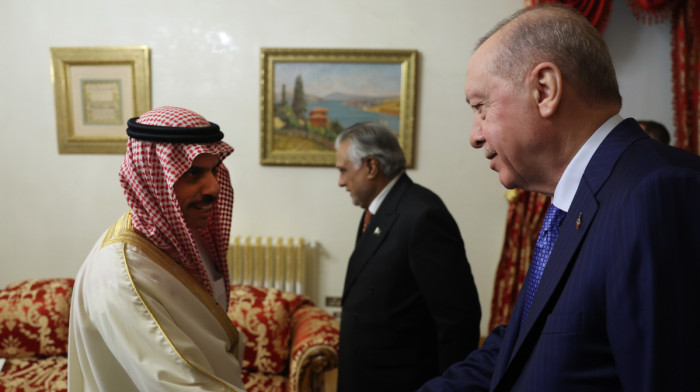
Foreign ministers meeting in Istanbul on Friday warned that renewed military strikes on Iran could deepen the regional conflict, urging diplomatic ...
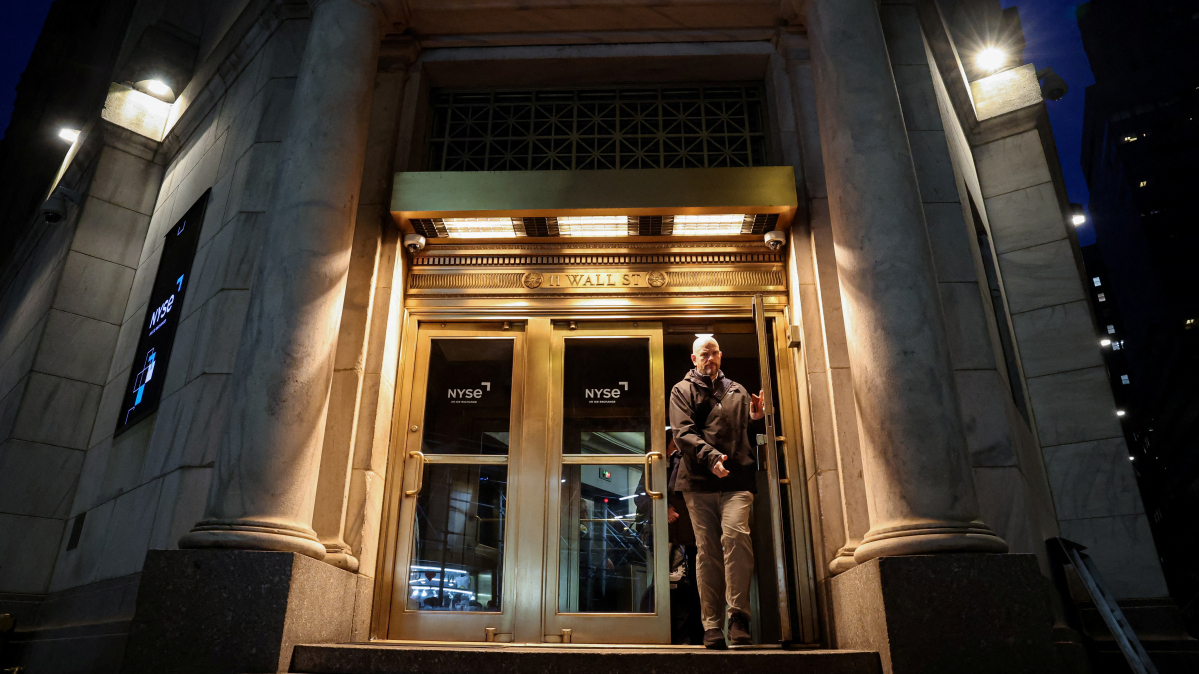
Wall Street closed sharply lower on Tuesday as global markets fell after U.S. President Donald Trump’s new tariff threats against Europe unsettled investors and revived fears of renewed volatility.
A broad risk-off mood swept through financial markets after Trump said Washington would impose fresh 10% import tariffs on a group of European countries from 1 February, rising to 25% on 1 June, unless the U.S. secured a deal to purchase Greenland.
The announcement pushed investors toward safe-haven assets and sent gold to new record highs while equities retreated across Asia, Europe and the U.S.
The S&P 500 fell 2.06% to 6,796.86, the Nasdaq Composite dropped 2.39% to 22,954.32 and the Dow Jones Industrial Average lost 1.76% to close at 48,488.59.
Traders also saw renewed selling pressure in U.S. Treasuries as markets digested the scale of the trade measures and the political signal behind them.
At the New York Stock Exchange, analysts said the Greenland dispute had become an unexpected catalyst for broader concern over Trump’s escalating economic actions.
Robert Conzo of The Wealth Alliance described the day as feeling like a “tipping point”, noting that the standoff over Greenland came on top of tensions involving Venezuela, U.S. immigration policy, pressure on the Federal Reserve and the President’s push for a global peace board.
Conzo said markets were now trying to judge whether Trump would push the confrontation further or pivot toward negotiations with European leaders, after recent periods in which volatility indicators such as the VIX had been subdued.
He added that investors were assessing whether the latest move would trigger a deeper correction or simply a sharp, temporary pullback as the administration’s strategy became clearer.
European leaders have repeatedly dismissed any prospect of selling Greenland, an autonomous territory of Denmark, and criticised the tariff threats as destabilising.
The dispute has added a new layer of uncertainty ahead of the World Economic Forum in Davos, where Trump is expected to press his case directly with several counterparts.
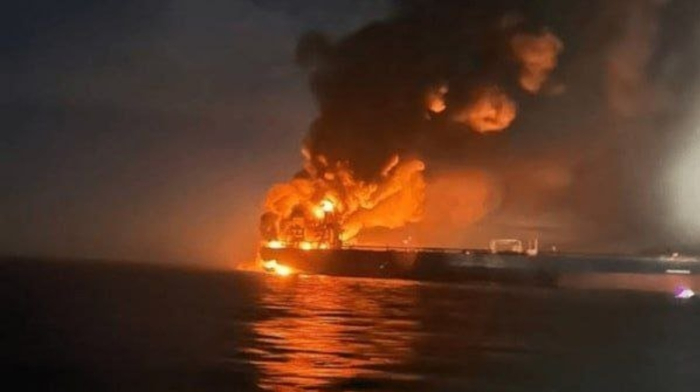
Saudi Aramco has ordered staff to evacuate its headquarters amid escalating Houthi attacks on the kingdom. Two people were killed in an attack on Dammam airport, while Iran's IRGC Navy claimed strikes on seven vessels and warned the U.S. of a wider response.
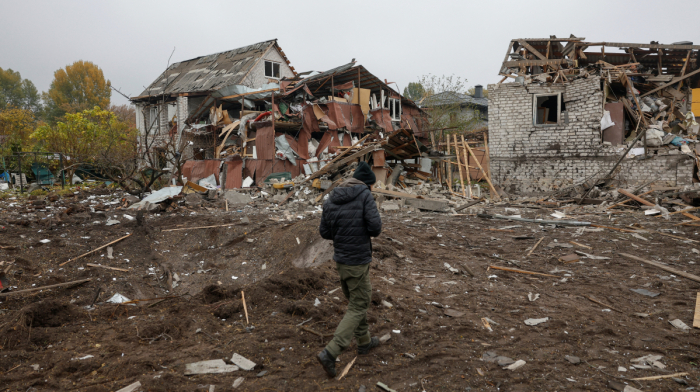
Russian strikes on Ukraine overnight killed at least two people and injured 15 others, including two children, Ukrainian authorities said. Meanwhile, Russia said it had intercepted the vast majority of 630 Ukrainian drones launched towards Moscow.
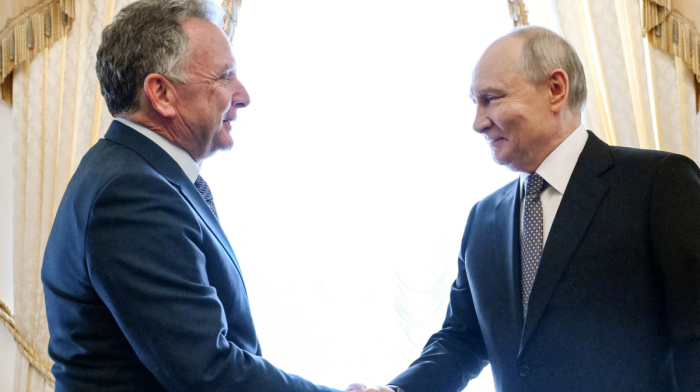
Russia is willing in principle to resume peace talks with Ukraine and the United States in November, Kremlin aide Yuri Ushakov said after President Vladimir Putin met U.S. special envoy Steve Witkoff in St Petersburg.
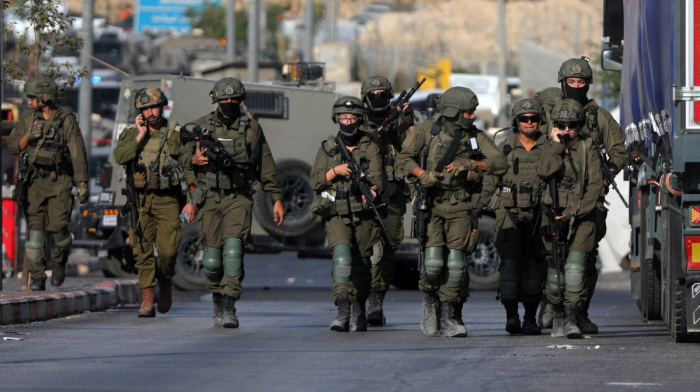
Israeli military bulldozers have begun demolishing buildings in the West Bank city of Hebron on Friday, 23 October, following armed clashes with Palestinians that left two Israeli soldiers dead, according to the Israeli military.
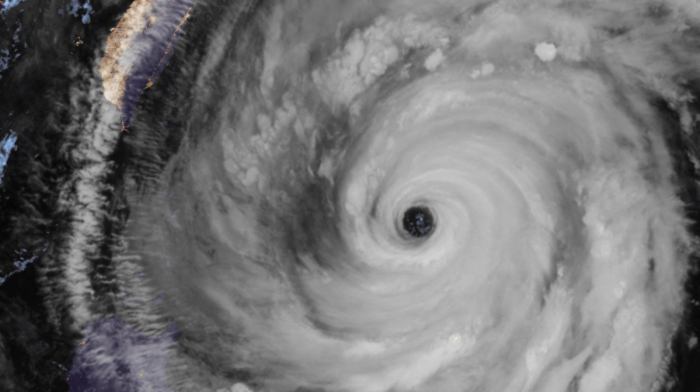
Super typhoon Champi is set to batter Japan’s Okinawa Prefecture from Friday (23 October), bringing violent winds, torrential rain and waves up to 11 metres high, as airlines cancel flights and organisers scrap a major festival.
Azerbaijan's economy is forecast to grow by 1.7 per cent in 2026 and 2.3 per cent in 2027, according to the International Monetary Fund (IMF), while growth across the wider Caucasus and Central Asia region is expected to slow.
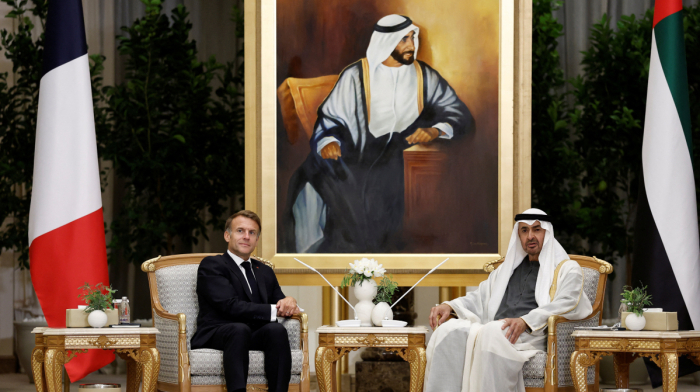
As fuel prices surge nearly 37 per cent and protests over living costs turn violent, French President Emmanuel Macron is seeking fresh energy supplies and partnerships in the Gulf. But can diplomacy abroad ease mounting pressure at home?
Azerbaijan and Georgia are targeting more than $2 billion in bilateral trade as the neighbouring countries strengthen energy partnerships, expand transport links and pursue new investment opportunities.
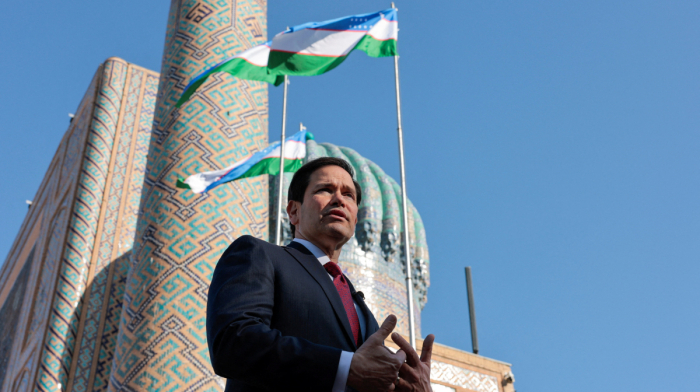
More than 200 U.S. business leaders have joined Secretary of State Marco Rubio in Uzbekistan as Washington steps up efforts to turn closer diplomatic ties with Central Asia into trade and investment deals.
Thirty-five years after restoring independence, Azerbaijan's economy has more than tripled in real terms. Official data reveal how investment, manufacturing, private enterprise and digital development have reshaped the country's economic landscape.
You can download the AnewZ application from Play Store and the App Store.
What is your opinion on this topic?
Leave the first comment