U.S. stock markets finished mixed on Wednesday (28 January) as investors reacted calmly after the Federal Reserve left interest rates unchanged, a decision that had been widely expected and largely priced in.
The S&P 500 edged down slightly, while the Nasdaq Composite posted modest gains, as the central bank offered little guidance on when borrowing costs might be cut again.
The Fed held its benchmark interest rate in a range of 3.5% to 3.75%, citing still-elevated inflation alongside solid economic growth. Policymakers also said the U.S. labour market has shown signs of stabilisation, removing earlier language that highlighted rising downside risks to employment.
Eight of the Fed’s ten policymakers voted to keep rates unchanged. Following the announcement, traders increased bets that the first rate cut of the year could come in June, though not before.
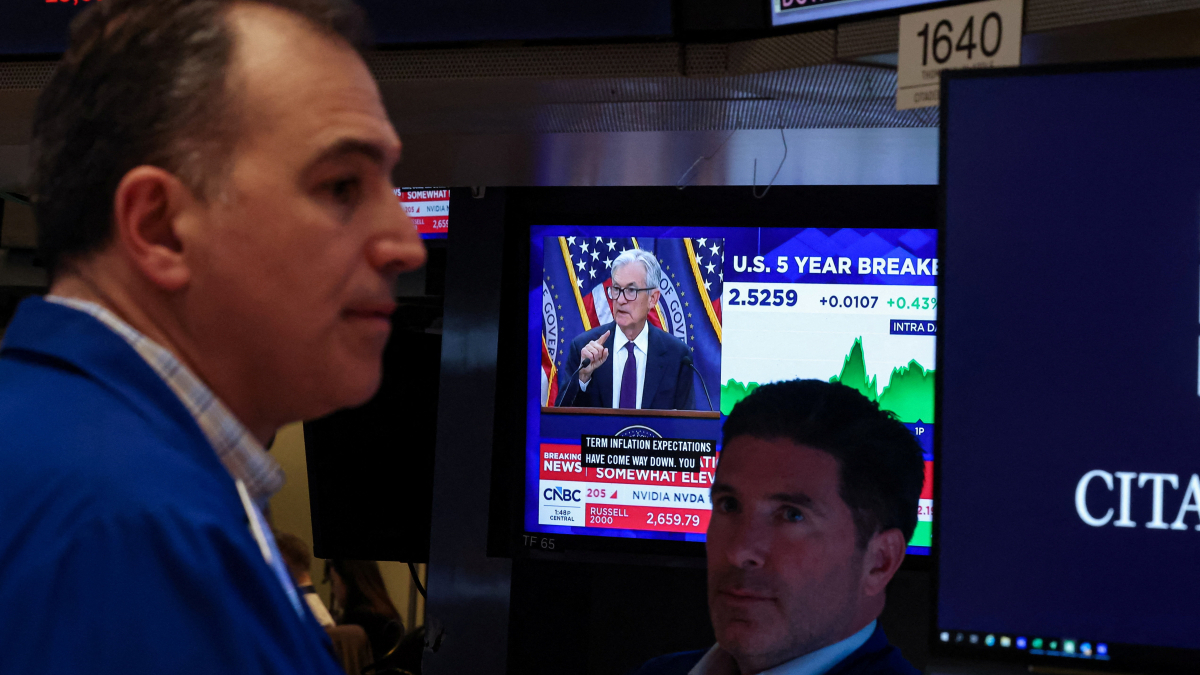
In a closely watched press conference, Fed Chair Jerome Powell avoided signalling any near-term policy shift, stressing that future decisions would remain data dependent. He said upside risks to inflation and downside risks to employment had both diminished.
Market strategist Dean Smith, chief strategist and portfolio manager at Foliobeyond, said the Fed’s decision failed to move markets significantly because it had been clearly signalled in advance.
“The equity markets have been pretty stable because this hold by the Federal Reserve has been telegraphed for a long time,” Smith said, adding that investors had anticipated the decision since the Fed’s quarter-point cut in December.
Smith also said the central bank believes it has achieved the “soft landing” it was targeting, despite dissenting votes from two policymakers who favoured a rate cut.
“The real issue affecting markets in early 2026 is what’s happening with the dollar,” Smith said, noting that the U.S. currency has been weakening for nearly two years, raising concerns among investors.
According to preliminary data, the S&P 500 slipped 0.01% to close at 6,977.87, while the Nasdaq rose 0.17% to 23,857.83. The Dow Jones Industrial Average gained 0.03% to 49,015.96.
Earlier in the session, the S&P 500 briefly crossed the 7,000-point mark for the first time.
Investor attention now turns to a wave of high-profile earnings reports due after the market close, with Meta, Microsoft and Tesla kicking off results for the so-called “Magnificent Seven” stocks that have driven the AI-led rally. IBM is also set to report.
With valuations stretched, investors are watching closely to see whether heavy spending on artificial intelligence will translate into sustainable returns.


















What is your opinion on this topic?
Leave the first comment