Dubai caps flights, raising pressure on Indian airlines and travel sector
Dubai has restricted foreign airlines to one daily flight to its airports until 31 May due to the Iran crisis, raising fears of significant revenue...
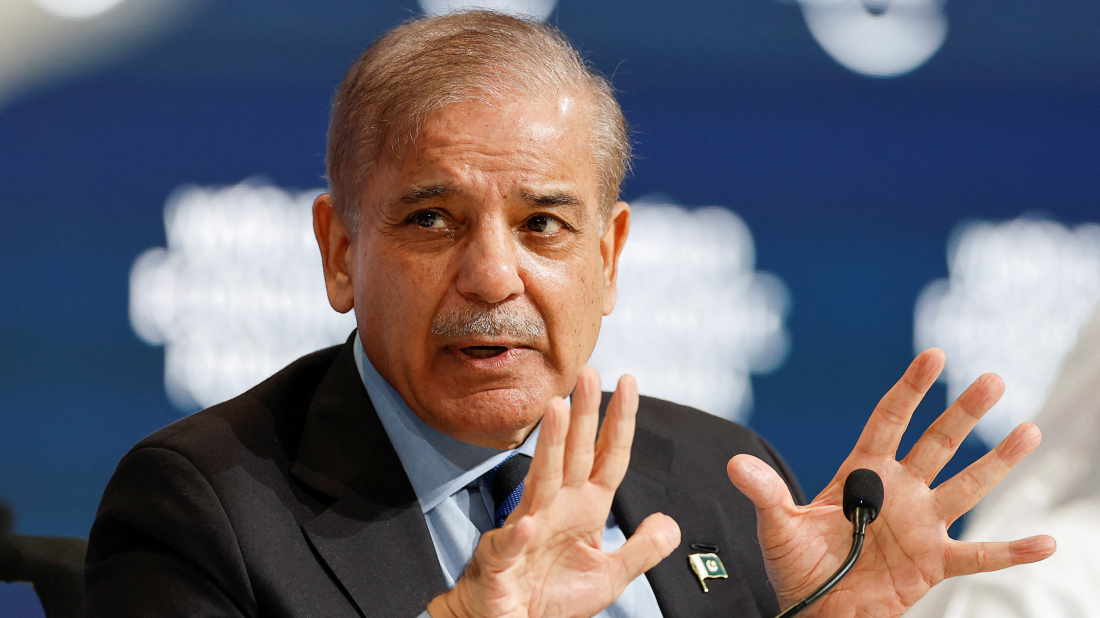
Pakistan’s Prime Minister Shehbaz Sharif has voiced strong support for Qatar and Saudi Arabia following Iran’s missile strike on a U.S. airbase in Qatar. The gesture comes amid rising tensions in the Middle East and a declared ceasefire by U.S. President Donald Trump.
Prime Minister Shehbaz Sharif met Qatar’s ambassador in Islamabad to express solidarity with the Qatari leadership and people after Iran's retaliatory missile attack on the U.S. Al Udeid Air Base. The strike marked a sharp escalation after U.S. airstrikes on Iranian nuclear sites.
Sharif emphasized Pakistan’s commitment to peace, saying the country supports dialogue and diplomacy as the only path to lasting regional stability.
He also held talks with Saudi Arabia's ambassador to Pakistan Nawaf bin Saeed Al Malkiy, reaffirming Pakistan’s unwavering support for Saudi Arabia. Sharif extended prayers for King Salman and Crown Prince Mohammed bin Salman, pledging continued cooperation with Riyadh for regional peace.
The meetings followed U.S. President Trump’s announcement of a ceasefire between Israel and Iran.

China and Russia vetoed a United Nations Security Council resolution on Tuesday aimed at coordinating defensive efforts to protect commercial shipping in the Strait of Hormuz, leaving no agreed international framework for securing the vital route.
Lebanon’s Hezbollah said it had stopped firing on northern Israel and Israeli forces on Wednesday as part of a two-week ceasefire in the Middle East brokered between the United States and Iran. However, a Hezbollah lawmaker warned that the pause could collapse if Tel Aviv does not adhere to it.
Israeli Prime Minister Benjamin Netanyahu says he has given an instruction for Israel to begin peace talks with Lebanon that would also include the disarming of Hezbollah.
Some geographies are small on the map yet immense in history. The Strait of Hormuz is one. About a quarter of global oil trade and a fifth of LNG flows pass through this narrow corridor - around 20 million barrels per day sustaining the global system.
Afghanistan and Pakistan have agreed to continue dialogue and avoid steps that could worsen tensions after China-hosted talks in Urumqi, with Kabul and Beijing saying the meetings focused on easing differences and improving relations.
Chinese President Xi Jinping has told Taiwan opposition leader Cheng Li-wun that “people on both sides of the Taiwan Strait are Chinese” and that the future of cross-strait ties should be decided by “the Chinese people themselves”.
Three months following the U.S. raid that captured socialist President Nicolas Maduro on 3 January, the Venezuelan National Assembly approved a new law on Thursday loosening the state’s grip on mining investments to open the sector for private and foreign companies.
Start your day informed with the AnewZ Morning Brief. Here are the top stories for 10 April, covering the latest developments you need to know.
U.S. President Donald Trump’s fellow Republicans in the House of Representatives have blocked an attempt led by House Minority Leader Hakeem Jeffries to restrict presidential war powers over military action involving Iran.
Russian President Vladimir Putin announced on Thursday an Easter ceasefire with Ukraine lasting 32-hours and said that Kyiv has agreed to abide by the measure. The ceasefire is expected to begin at 16:00 (13:00 GMT) on Saturday 11 April and last until midnight Sunday 12 April, the Kremlin said.
You can download the AnewZ application from Play Store and the App Store.
What is your opinion on this topic?
Leave the first comment