Iran says 'agreement within reach' with Oman on Hormuz Strait reopening
Iran says it is holding “positive” talks with Oman on reopening the Strait of Hormuz to shipping traffic, while an official source familiar with t...
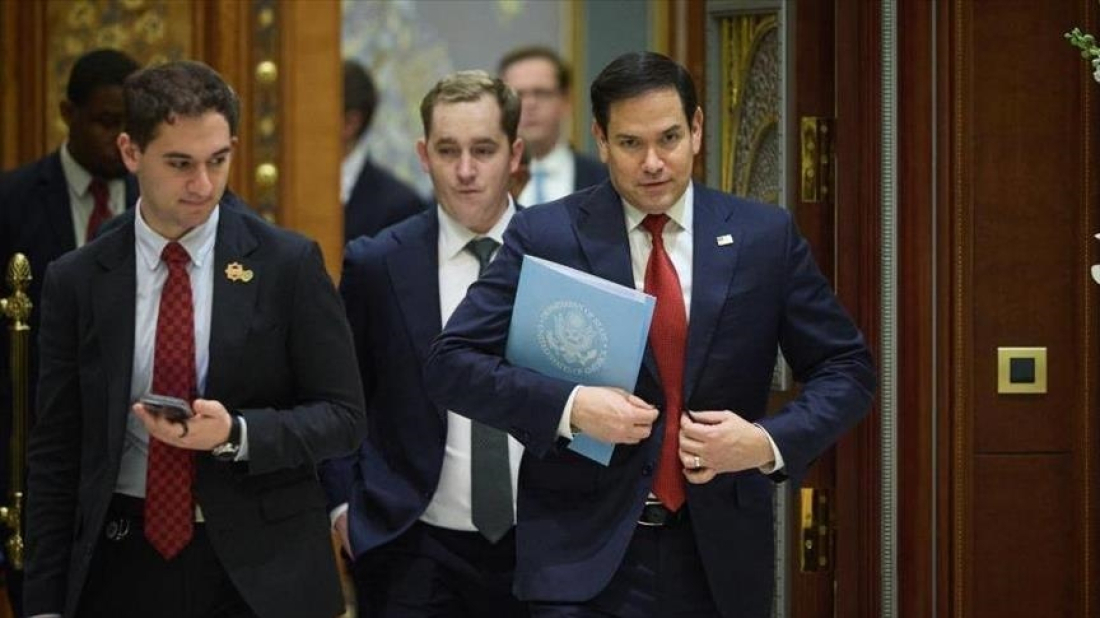
U.S. Secretary of State Marco Rubio stated on Sunday that the upcoming week will be "very critical" for Russia-Ukraine negotiations, emphasizing that both sides are still not "close enough" to a deal.
Rubio made these remarks during an interview on NBC’s Meet the Press, underscoring the urgency of reaching an agreement soon.
“It needs to start happening … I think this is going to be a very critical week,” Rubio said, stressing the importance of making significant progress in the ongoing peace talks. He acknowledged that the Trump administration has made "real progress" in efforts to end the three-year-long conflict, but warned that the "last couple steps" toward an agreement remain the most challenging.
Rubio further noted that if a deal does not materialize soon, the U.S. may need to reassess its involvement. "It needs to happen soon. We cannot continue to dedicate time and resources to this effort if it’s not going to come to fruition," he added. He explained that the administration must soon decide whether to remain actively engaged in the negotiations or shift focus to other priorities.
“If it doesn’t come to fruition, then as a nation-state there are options that we have for those who we hold responsible for not wanting the peace. But we prefer not to get to that stage yet because we think it closes the door to diplomacy,” Rubio said.
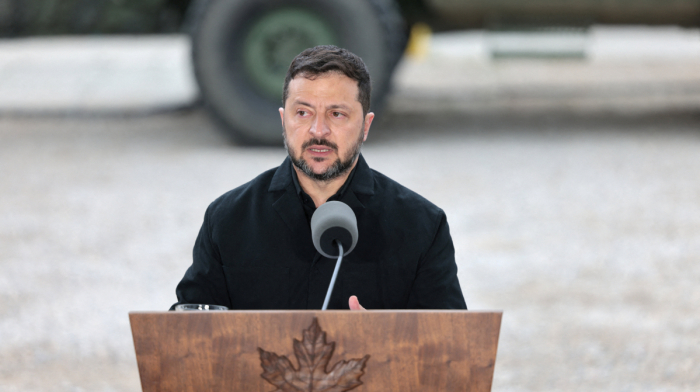
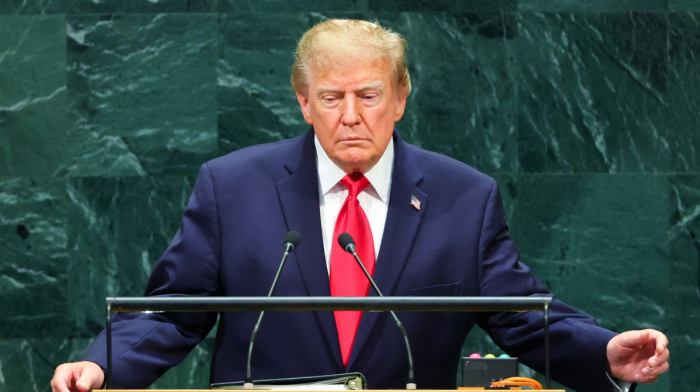
Rubio’s comments followed a meeting between President Donald Trump and Ukrainian President Volodymyr Zelensky in Rome on Saturday, where both leaders attended the funeral of Pope Francis. The meeting was described as "productive" by both the U.S. and Ukrainian sides. Trump later shared his thoughts on Truth Social, suggesting that Russian President Vladimir Putin may not be genuinely interested in ending the war, hinting at potential alternative measures, including “Banking” or “Secondary Sanctions.”
The talks between Russia and Ukraine continue to be a focal point for international diplomacy, with the coming week seen as a pivotal moment for the future of the peace process.

Start your day informed with AnewZ Morning Brief. Here are the top news stories for the 5th of August, covering the latest developments.
U.S. President Donald Trump said there was an "all-day negotiation" on Tuesday with Iran, characterising the talks positively while also threatening to hit Iran "really hard" if a deal was not reached.
Tehran had made plans to strike sites in Ukraine after Kyiv attacked an Iranian cargo ship in the Caspian Sea, a senior Iranian military adviser has said. Iran refrained from taking action after Kyiv said the strike was a mistake, Mohsen Rezaei told the state IRIB TV channel.
Start your day informed with AnewZ Morning Brief. Here are the top news stories for the 4th of August, covering the latest developments.
U.S. data analytics firm Palantir Technologies has reported a 93 per cent year-on-year jump in second-quarter revenue, even as the company faces continued criticism over its work with Israel's military and allegations linking its technology to the war in Gaza.a.
Türkiye's ruling alliance has submitted draft legislation to parliament aimed at advancing the peace process with the Kurdistan Workers' Party (PKK). The proposed law includes legal protections for many former militants and suspended prison sentences for some convicted members.
Ukrainian President Volodymyr Zelenskyy has dismissed the country's ambassadors to Tajikistan, Kyrgyzstan and several other countries. The removals came after a speech on Monday in which he said embassies would be judged on their effectiveness in securing weapons for Ukraine.
Kyrgyzstan and Uzbekistan have begun implementing a landmark 2022 border agreement, launching a land exchange to complete the demarcation of their shared frontier and pave the way for new infrastructure projects.
A new Ebola treatment centre is due to open this week in Bunia, eastern Democratic Republic of Congo, as authorities battle the country's largest and fastest-spreading Ebola outbreak on record. Officials hope the new facility will ease pressure on an overstretched healthcare system.
Israeli Prime Minister Benjamin Netanyahu has said Israeli forces will not withdraw from their current positions in Gaza until Hamas is fully disarmed, casting further doubt on a U.S.-backed proposal aimed at ending the war.
You can download the AnewZ application from Play Store and the App Store.
What is your opinion on this topic?
Leave the first comment