Zelenskyy says security guarantees document from U.S. is 100% ready
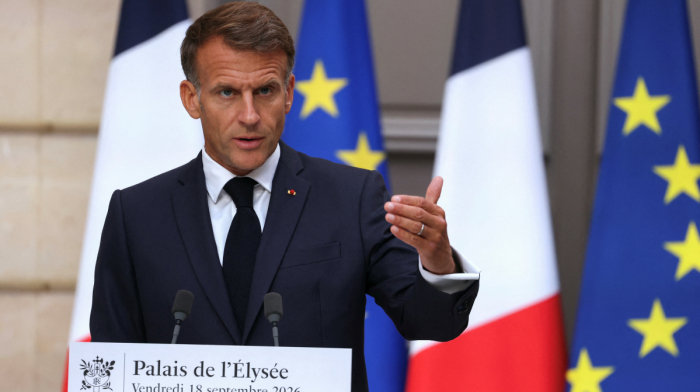
A U.S. document setting out security guarantees for Ukraine is fully prepared and Kyiv is waiting for confirmation of when and where it will be signed...
India moved swiftly to scale back its diplomatic ties with Pakistan on Wednesday, a day after a deadly militant attack in Kashmir killed 26 tourists, marking the country’s worst civilian massacre in nearly 20 years and escalating tensions between the nuclear-armed neighbors.
India unveiled a series of measures on Wednesday to downgrade its already strained relationship with Pakistan, following a deadly militant attack that left 26 people dead at a tourist hotspot in Kashmir—the country’s worst civilian attack in nearly 20 years.
Tensions between the two nuclear-armed neighbors were already heightened prior to the announcement. Diplomatic ties have been minimal since 2019, when India revoked Kashmir’s special constitutional status. In response, Pakistan expelled India’s envoy, refrained from appointing its own ambassador to New Delhi, suspended cross-border train services, and banned Indian films.
The attack on Tuesday has been widely viewed as a blow to Indian Prime Minister Narendra Modi and his Bharatiya Janata Party’s narrative that ending Jammu and Kashmir’s autonomy brought peace and progress to the volatile, Muslim-majority region.
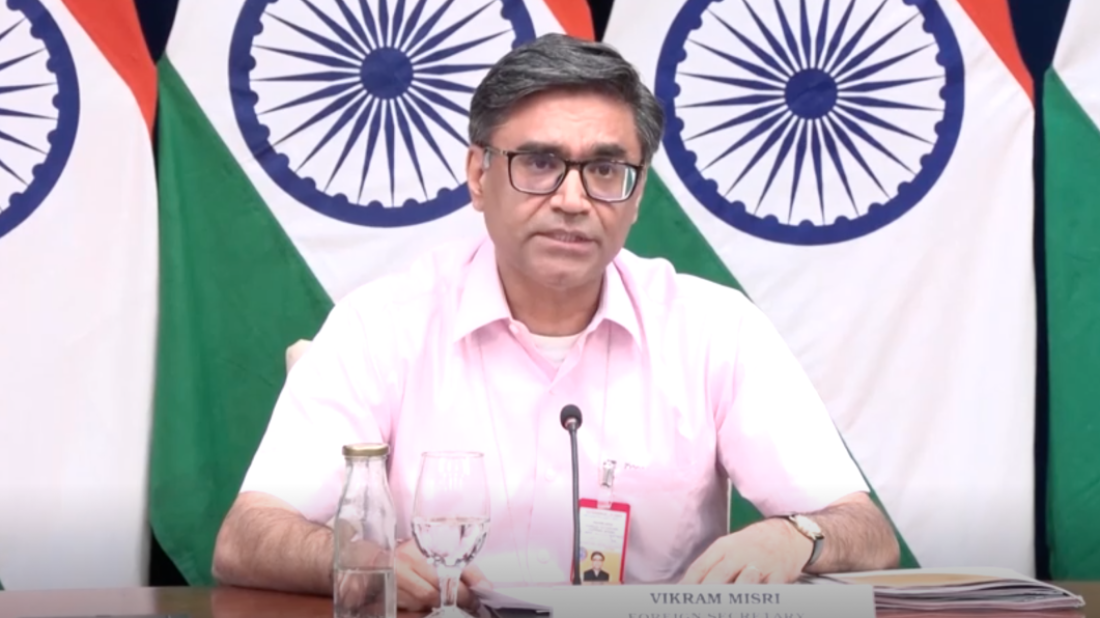
Speaking at a press conference, Indian Foreign Secretary Vikram Misri said the government concluded there was cross-border involvement in the assault, a determination reached during a high-level security cabinet meeting. That assessment, he said, led to the decision to take action against Pakistan.

Iran will treat any military attack as an “all-out war,” a senior Iranian official said on Friday, as the United States moves additional naval and air assets into the Middle East during rising tensions that are already disrupting civilian air travel.
Firefighters were clearing the charred ruins of a Karachi shopping mall in Pakistan on Tuesday (20 January) as they searched for people still missing after a fire that burned for nearly two days and killed at least 67 people, police said.
Türkiye’s Foreign Minister Hakan Fidan said on 23 January there are signs Israel is still seeking an opportunity to attack Iran, warning that such a move could further destabilise the Middle East.
Belgium has banned aircraft transporting weapons and military equipment to Israel from using its airspace or making technical stops, the Foreign Ministry confirmed to Anadolu on Friday.
U.S. President Donald Trump said on Friday that Canada is opposing the possible construction of his proposed ‘Golden Dome’ missile defence system over Greenland, despite what he claimed would be security benefits for Canada.
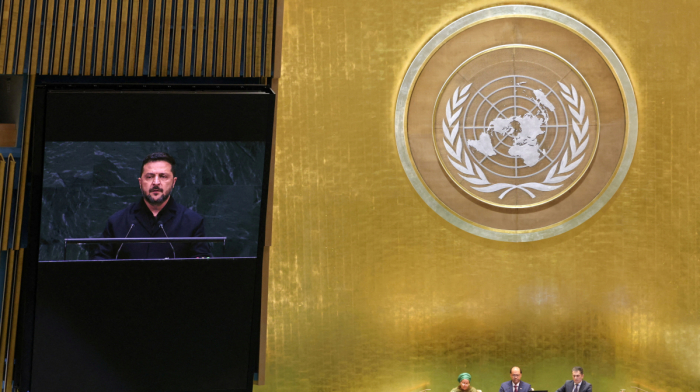
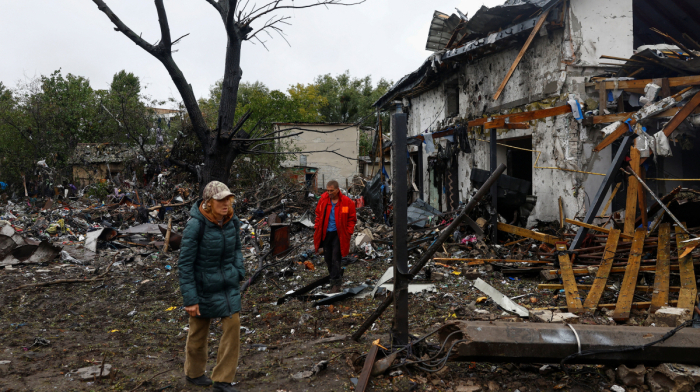
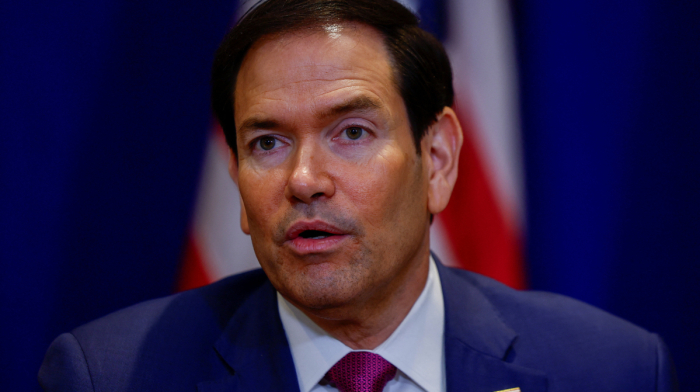
A U.S. document setting out security guarantees for Ukraine is fully prepared and Kyiv is waiting for confirmation of when and where it will be signed, President Volodymyr Zelenskyy said on Sunday, suggesting that weekend talks with Russia in Abu Dhabi yielded some progress.
German police have arrested a Lebanese national on suspicion of being a member of Hamas and of helping to plan attacks in Europe, prosecutors have said.
Start your day informed with AnewZ Morning Brief: here are the top news stories for the 25 January, covering the latest developments you need to know.
Spain has faced a string of railway accidents in one week, including one of Europe’s deadliest in recent years, raising questions about whether maintenance investment is keeping pace with soaring passenger demand on the world’s largest high-speed rail network.
More than 500,000 customers in the U.S., as far west as Texas, were without power on Sunday (25 January), while more than 9,600 flights were expected to be cancelled.
You can download the AnewZ application from Play Store and the App Store.
What is your opinion on this topic?
Leave the first comment