Japan's parliament has approved changes to the Imperial House Law aimed at addressing the shrinking size of the imperial family while preserving the country's centuries-old male-only succession system.
The changes allow princesses to retain their royal status after marriage and permit the adoption of distant paternal-line royal relatives, but do not allow women to inherit the throne.
Male-only succession remains unchanged
Lawmakers approved the revisions on Friday after years of debate over the future of the imperial family, whose declining membership has raised concerns about the monarchy's long-term sustainability. Japan's Constitution defines the emperor as "the symbol of the State and of the unity of the people", making the future of the imperial family a sensitive constitutional issue.
The legislation retains the rule that only men from the paternal imperial line can become emperor, despite opinion polls showing strong public support for allowing female succession.
"It’s a declaration to prevent female monarchs ... and to defend the male-lineage at all costs," Hideya Kawanishi, a monarchy expert at Nagoya University, said.
Under the revised law, princesses who marry commoners will be allowed to retain their royal status, reversing a rule that has steadily reduced the number of working royals.
The legislation also permits the adoption of distant male relatives from the paternal imperial line in an effort to secure future heirs.
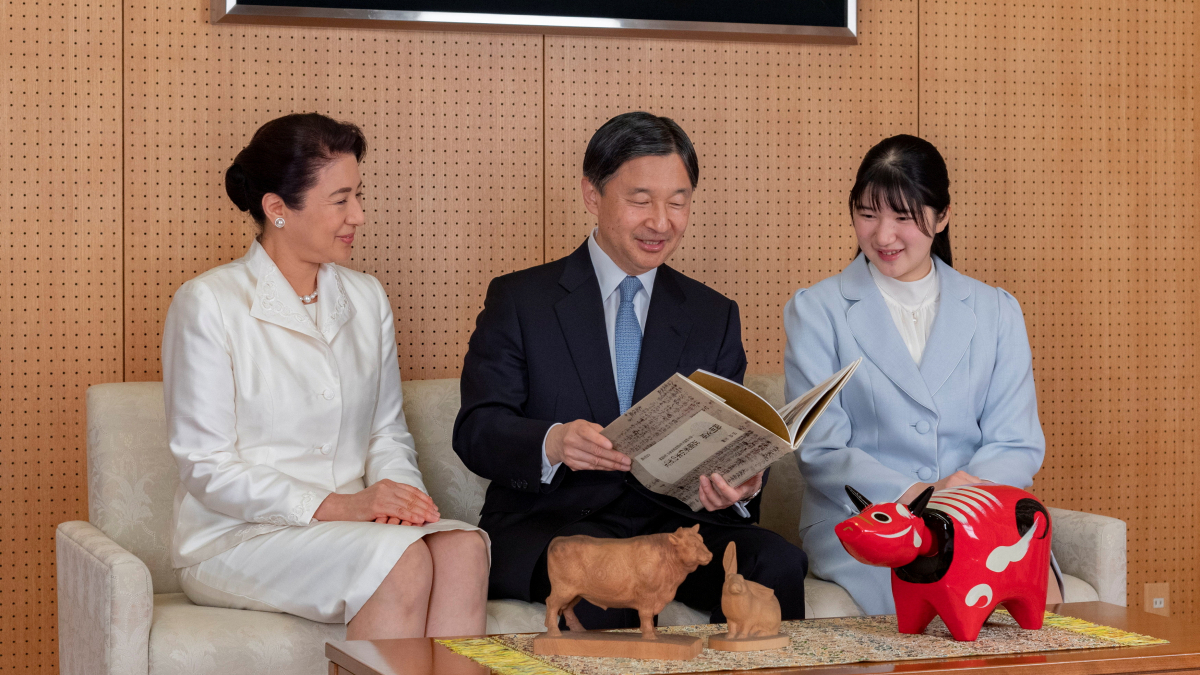
However, the reforms do not change Japan's succession rules, meaning Emperor Naruhito's daughter, Princess Aiko, remains ineligible to inherit the Chrysanthemum Throne because she is a woman. Under the Imperial House Law of 1947, only males in the paternal line are eligible to inherit the throne.
The current line of succession remains Crown Prince Akishino, Prince Hisahito and Prince Hitachi.
Concerns over the imperial family's future
Japan's imperial family now has fewer than 20 members, with only a small number of male heirs remaining.
Supporters of the reforms argue that preserving the paternal bloodline is essential to maintaining the legitimacy of the world's oldest hereditary monarchy.
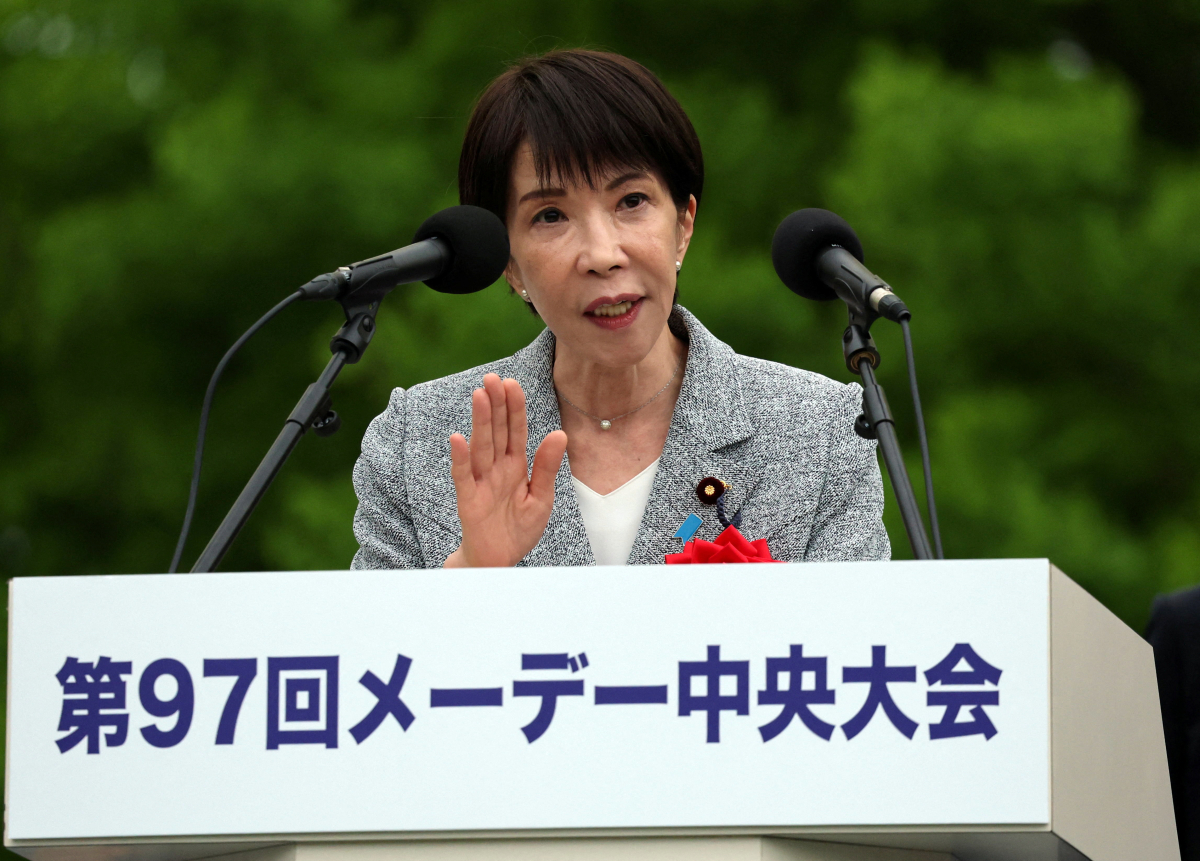
Prime Minister Sanae Takaichi and other conservative lawmakers have maintained that the uninterrupted male lineage remains "the only source of the emperor's authority and legitimacy".
Critics argue the measures fail to address the monarchy's long-term demographic challenges and instead reinforce a patriarchal system.
Debate over female succession continues
Historians note that Japan has had eight reigning empresses throughout its history, although none established a hereditary female line.
Public opinion polls have consistently shown broad support for allowing women to inherit the throne, but successive governments have declined to amend the succession law.
The debate has become increasingly urgent as Japan faces an ageing population and a shrinking imperial household, raising questions about the institution's long-term stability.
Read more:




















What is your opinion on this topic?
Leave the first comment