Japan’s snap election has delivered a landslide victory for Sanae Takaichi, giving her a strong mandate to advance fiscal expansion and defence reforms. But, analysts warn that inflation risks and funding challenges could complicate her agenda.
With an absolute parliamentary majority secured, Takaichi is now in a far stronger position to continue and expand her economic policies, a key objective behind calling the snap election.
Markets have reacted positively, with investors welcoming clearer policy direction and greater legislative certainty after a period of political gridlock.
Analysts say fiscal expansion, including large-scale stimulus measures, will likely top her agenda, as passing legislation has become significantly easier without reliance on opposition support.
However, concerns remain over inflationary pressures, particularly the risk of a weaker yen amid Japan’s already strained fiscal position.
Seijiro Takeshita, Professor at University of Shizuoka, said Takaichi now faces a complex balancing act between stimulus and price stability.
Inflationary problems
“The positive side is the continuation of her policies, which can now be implemented much more easily because of the absolute majority,” he said. “But inflationary conditions and a weakening yen will be very difficult to manage.”
Takaichi has also pledged to ease the cost of living by suspending an 8% consumption tax on food but analysts note uncertainty over how such measures would be funded without issuing new debt.
“Tax cuts may sound appealing but the question is where the money will come from,” Takeshita said, describing the proposal as politically effective but economically unclear.
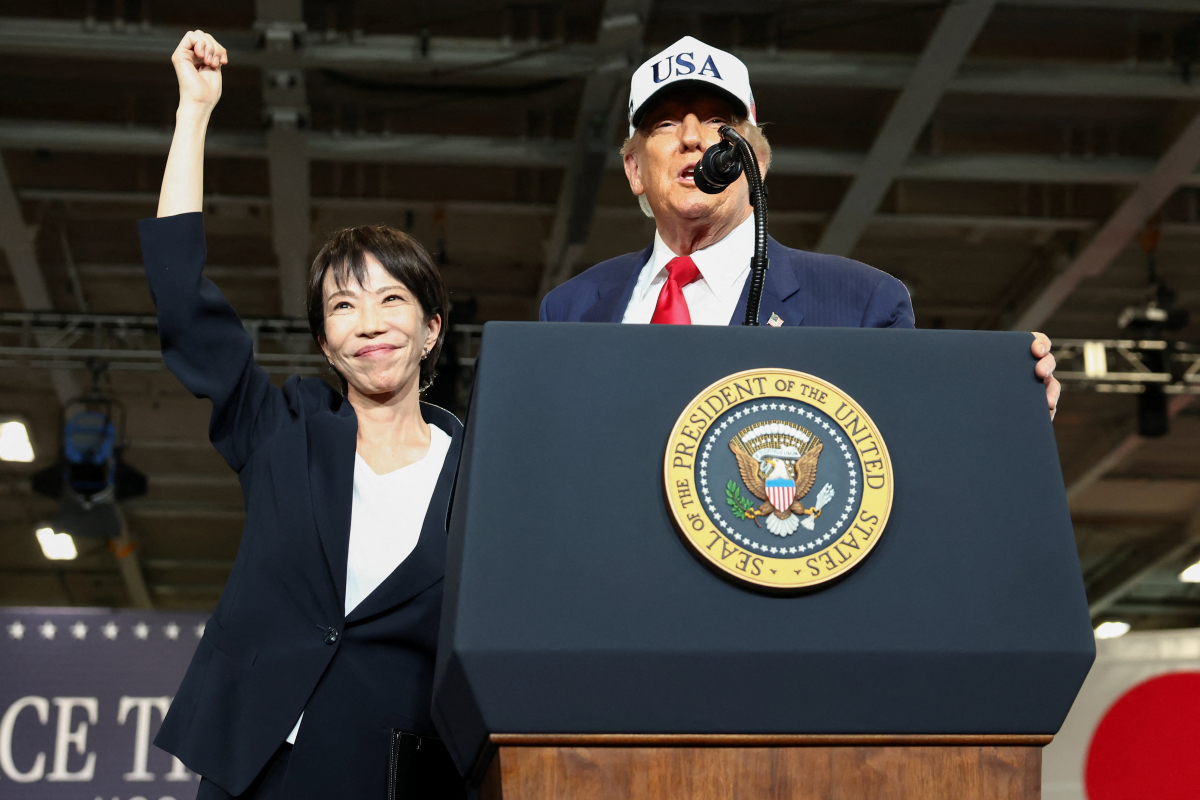
On foreign policy, her victory has been welcomed in Washington, with U.S. President Donald Trump publicly congratulating and endorsing her.
Analysts say this signals continuity in close U.S.-Japan cooperation, particularly on defence.
“The United States wants Japan to strengthen its defence posture, especially in response to China,” Takeshita said, noting that rising defence spending has already boosted related stocks.
China is expected to criticise Takaichi’s security stance, but analysts argue her policies represent a move back to the political centre rather than a radical shift.
Public concern over regional security was a key factor behind the ruling party’s decisive win, they say.


















What is your opinion on this topic?
Leave the first comment