Ukraine’s National Security and Defense Council (NSDC) has approved Kyiv’s Resilience Plan for the autumn-winter season, aimed at strengthening the capital’s ability to withstand continued Russian attacks and ensuring the uninterrupted operation of critical services.
The announcement was made by the newly appointed Secretary of the NSDC, Ihor Klymenko, at a meeting on the 5 August.
"Starting in the fall, the terror against civilians is expected to intensify,” Ihor Klymenko said.
He explained on Telegram that last winter had been one of Ukraine’s most difficult tests. He noted that comprehensive resilience plans for the country’s regions and cities had been prepared earlier this year to improve readiness ahead of the next heating season.
However President Volodymyr Zelenskyy, who chaired the meeting, said that some regions and cities “are falling behind.”
“I very much expect every community, every region – everyone – to take resilience plans and their fullest possible implementation seriously,” Volodymyr Zelenskyy said.
"One factor that does not depend on partners, but depends entirely on us, is our resilience plans – specifically, strengthening the protection of our energy grid, electricity, gas supply, water supply, and the country’s critical infrastructure, so to speak,” he said.
He mentioned the focus should be “strengthening the protection of critical infrastructure, ensuring the necessary number and quality of shelters, and increasing anti-ballistic capabilities.”
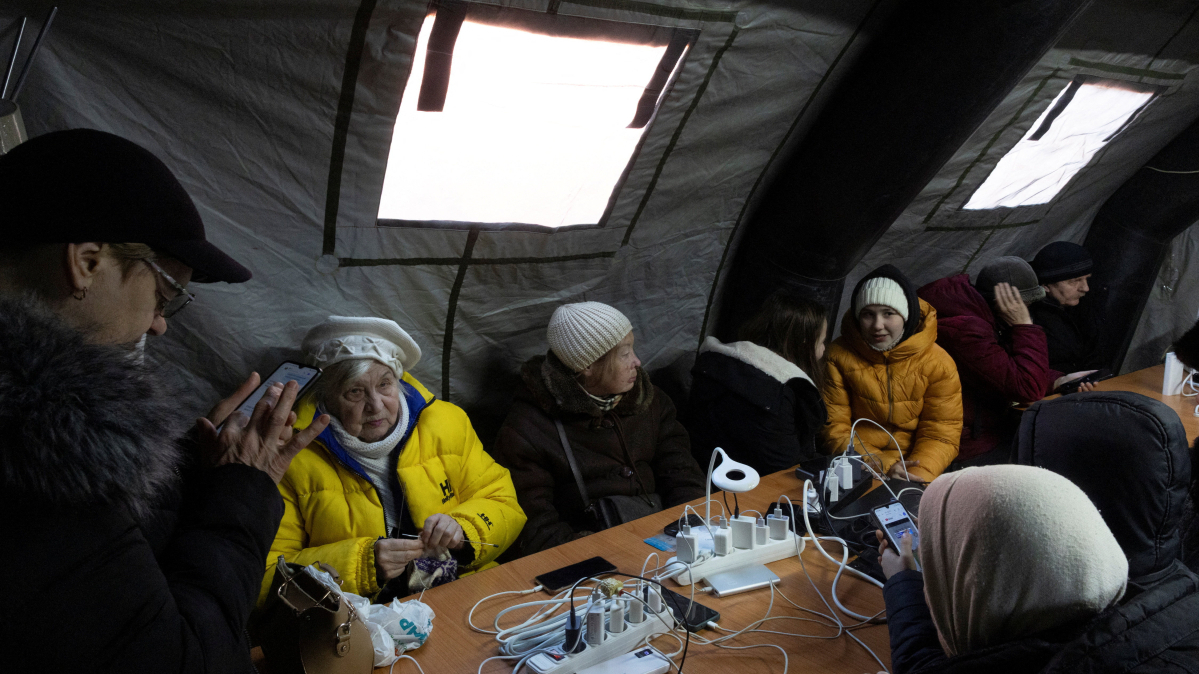
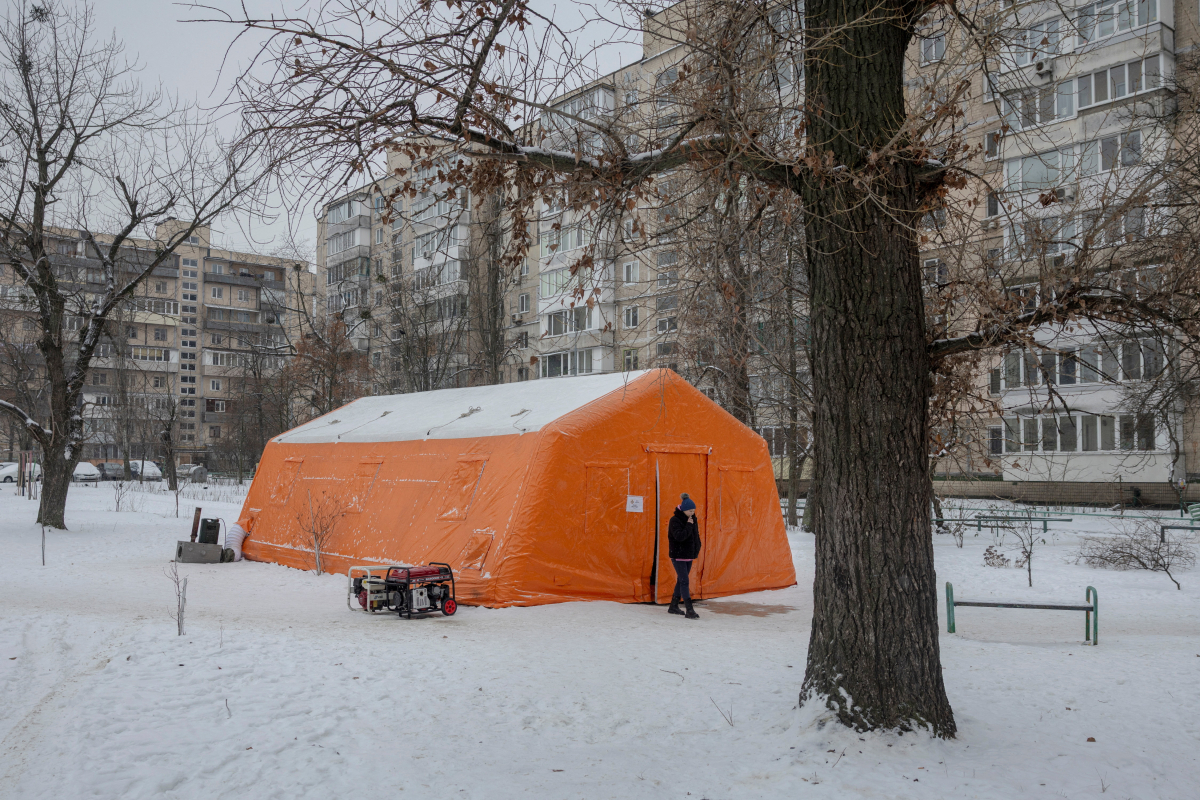
Kyiv’s Resilience Plan is a citywide programme designed to ensure basic services such as heat, water, power, transport, health keep functioning under continued Russian attacks. It was adopted by the Kyiv City Council in March 2026 and approved at the national level by Ukraine’s NSDC on 5th August.
Funding
Kyiv Mayor Vitali Klitschko recently announced that the city has allocated more than UAH 10 billion (approximately $224 million) to implement the plan.
According to Klitschko, restoring damaged energy infrastructure remains the top priority, with around 65% of the work already completed. The remaining repairs are expected to be finished before the start of the cold weather.
“The time before the start of the heating season must be used as effectively as possible. The resilience of the state, the uninterrupted operation of critical infrastructure and, above all, the safety of our people depend on this,” Klymenko mentioned in a recent interview.
Latest Russian Strikes
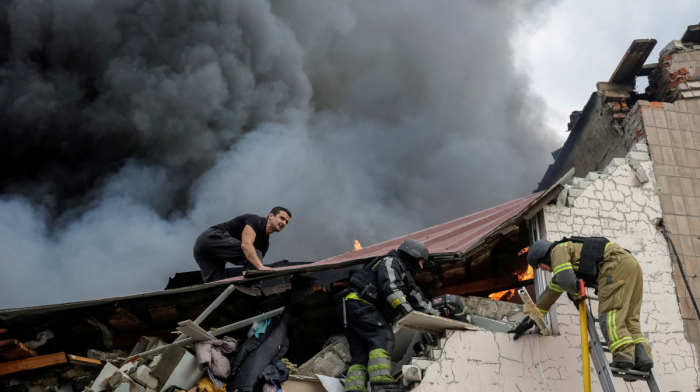
The approval of the plan comes as Kyiv and the surrounding region continue to face intensified Russian attacks. Overnight, the capital experienced its deadliest strikes of the year, with 17 people killed and 44 injured, according to Ukrainian authorities on Friday. Zelenskyy said the attacks primarily targeted civilian warehouse facilities, infrastructure and a railway station, stressing that the sites “had nothing to do with the war.”
Read more



















What is your opinion on this topic?
Leave the first comment