Russia says it is willing to engage in dialogue with European countries but will not accept pressure or ultimatums, as tentative signs emerge of renewed contacts between Moscow and the European Union after years of strained relations over the conflict in Ukraine.
Kremlin criticises European approach to negotiations
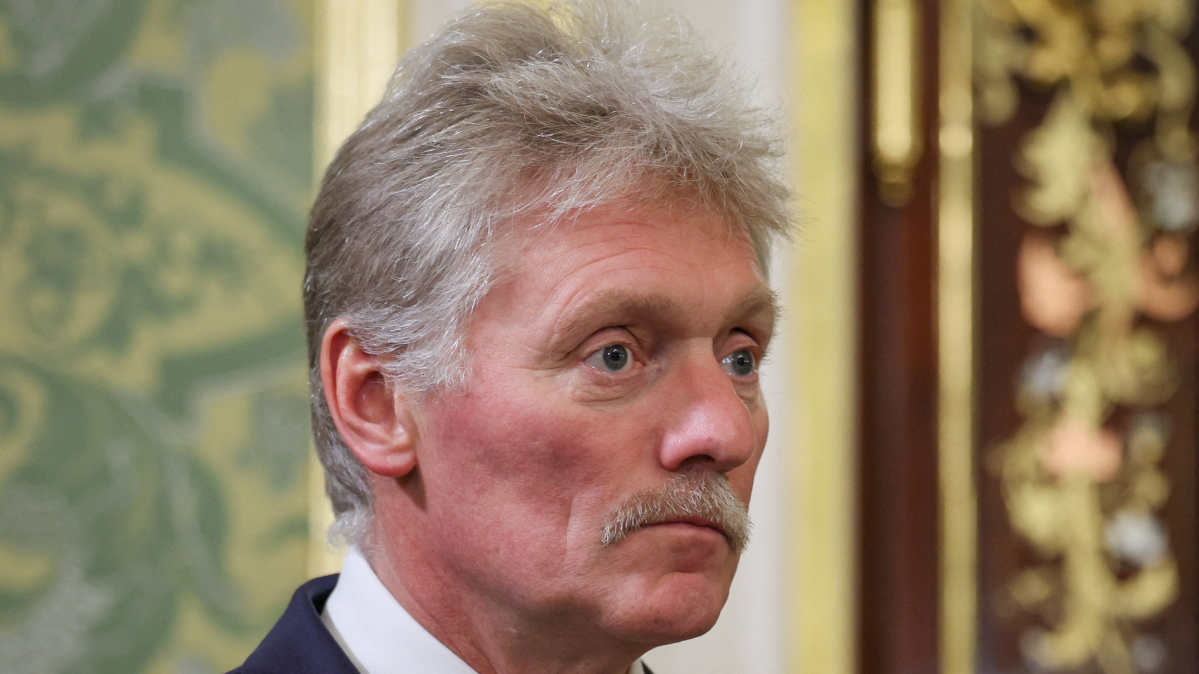
Kremlin spokesman Dmitry Peskov said negotiations were necessary given the scale of unresolved issues, but insisted that Europe must change its approach towards Russia.
Peskov argued that some European governments mistakenly believe talks should be conducted “from a position of strength”, based on the assumption that Russia is weak. He described this approach as fundamentally flawed.
He said such thinking would not lead to progress and questioned whether it stemmed from “incompetence, misinformation, or stupidity”, while stressing that Russia remains willing to engage in dialogue if it is conducted respectfully and without conditions.
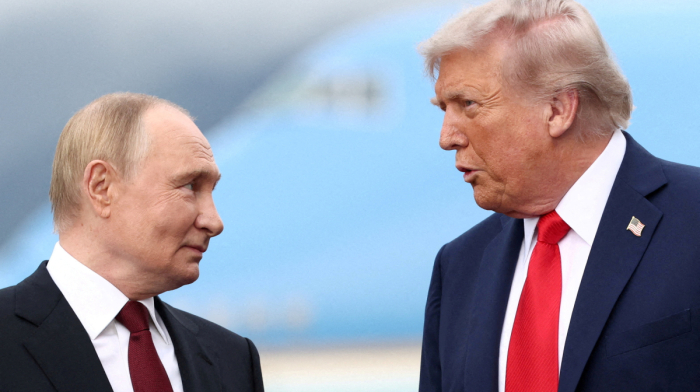
President Vladimir Putin has previously said Russia is open to talks but argued that European countries should take the initiative, claiming they were responsible for cutting diplomatic ties. The EU has imposed 20 rounds of sanctions on Russia since the start of the conflict in Ukraine.
Early signs of cautious EU diplomatic outreach
Despite years of limited contact, there are indications that some European officials are beginning to explore diplomatic channels with Moscow.
An EU official said brief diplomatic contacts had taken place involving the office of European Council President António Costa, aimed at reopening lines of communication. However, the move has reportedly exposed divisions within the EU over how to approach Russia.
Some member states view renewed contacts as an opportunity to explore diplomatic options linked to ending the conflict, while others argue the focus should remain on maintaining pressure through sanctions.
Austrian Chancellor Christian Stocker has also suggested that Europe should use any emerging momentum around peace discussions to reconsider engagement with Moscow.
Ongoing conflict and escalation on the ground
At the same time, fighting and cross-border strikes continue to shape the broader geopolitical environment.
Russia has accused Ukraine of intensifying drone strikes on infrastructure inside Russian territory, including energy facilities. Moscow says it is taking measures to respond and minimise damage.
The governor of the Moscow region said an eight-year-old girl was killed in a large-scale Ukrainian drone attack the previous day, which also caused fires at an oil refinery in south-east Moscow.
Peskov confirmed that drone attacks were continuing, adding that Russia would maintain its military operations if no diplomatic settlement is reached.
He also pointed to damage in Ukrainian cities caused by Russian strikes, saying such images should be considered when assessing the situation.
Diplomacy remains uncertain amid continuing escalation
While limited diplomatic signals are emerging between Russia and parts of Europe, both sides remain deeply divided over the conditions for engagement.
The EU continues to maintain extensive sanctions on Russia, while Moscow insists that any meaningful negotiation process must be based on what it considers equal terms rather than external pressure.
For now, the situation reflects a dual track: tentative diplomatic outreach on one hand and continued escalation on the ground on the other.











What is your opinion on this topic?
Leave the first comment