Armenia is set to receive a support package worth more than €50 million ($58.2 million) from the European Union (EU) after Russia, its largest trading partner, imposed restrictions on a range of Armenian exports.
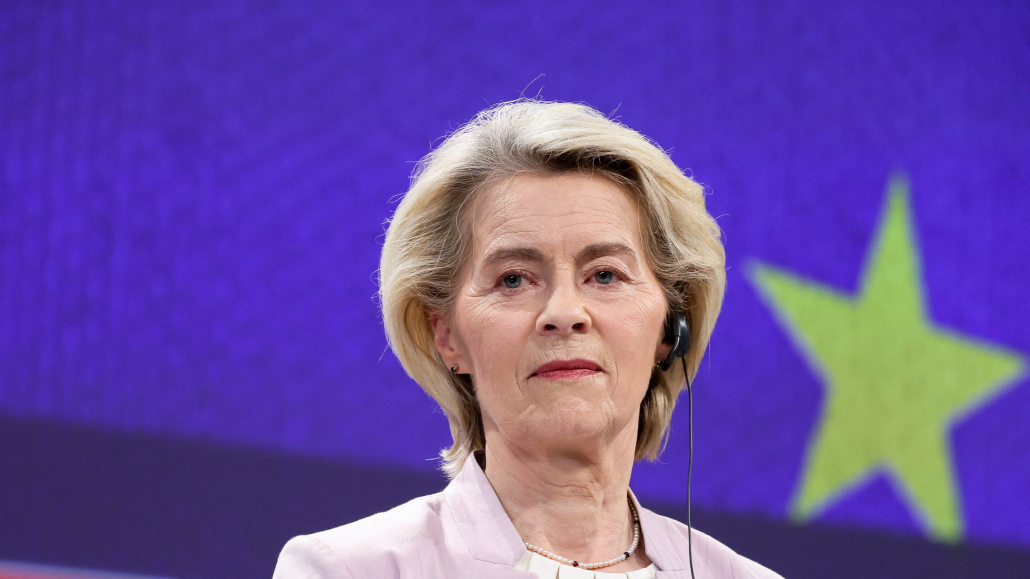
Ursula von der Leyen, President of the European Commission, said the bloc would also ease trade barriers for certain Armenian products, particularly food and agricultural goods.
Ahead of Armenia’s parliamentary elections on Sunday, Moscow imposed trade restrictions on several Armenian sectors, including fresh fruit and vegetables, fish, alcohol, flowers and mineral water.
Russian agencies have cited safety and standards concerns as the reason for the suspensions, most of which were introduced during May.
However, von der Leyen accused Moscow of applying economic pressure on Armenia for political purposes.
“This is nothing short of economic coercion, and it is unacceptable,” she said in a statement published on Thursday.
“By extending export restrictions on Armenian products, Moscow is weaponising economic relations for political pressure.
“We know this playbook all too well. This is why Europe stands firmly with Armenia.”
Yerevan's shifiting allegiances
Armenia, a landlocked nation of around three million people, has traditionally maintained close ties with Moscow and is a member of the Russian-led Eurasian Economic Union (EAEU) single market.
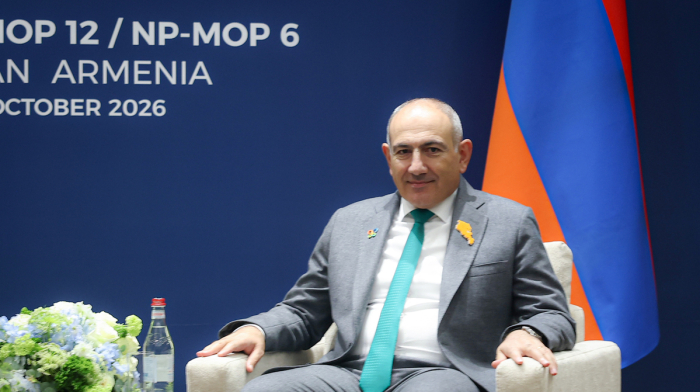
In recent years, however, Prime Minister Nikol Pashinyan’s government has sought closer relations with the EU.
In January, Pashinyan said his government “unequivocally and without question” wanted Armenia to become a member of the political and economic bloc.
Pashinyan’s Civil Contract party is currently leading opinion polls, holding a significant advantage over the pro-Russian opposition groups Strong Armenia and Armenia Alliance.
Moscow's warnings to Armenia
Russia has threatened to halt supplies of discounted energy to Armenia if it pursues EU membership, while the Russian-led EAEU has said it would consider suspending the country from the union.
Such a move would have an immediate impact on the Armenian economy. Russia accounted for around 35% of Armenia’s foreign trade in 2025, while the EU represented roughly 11%, according to government statistics cited by Armenian media.
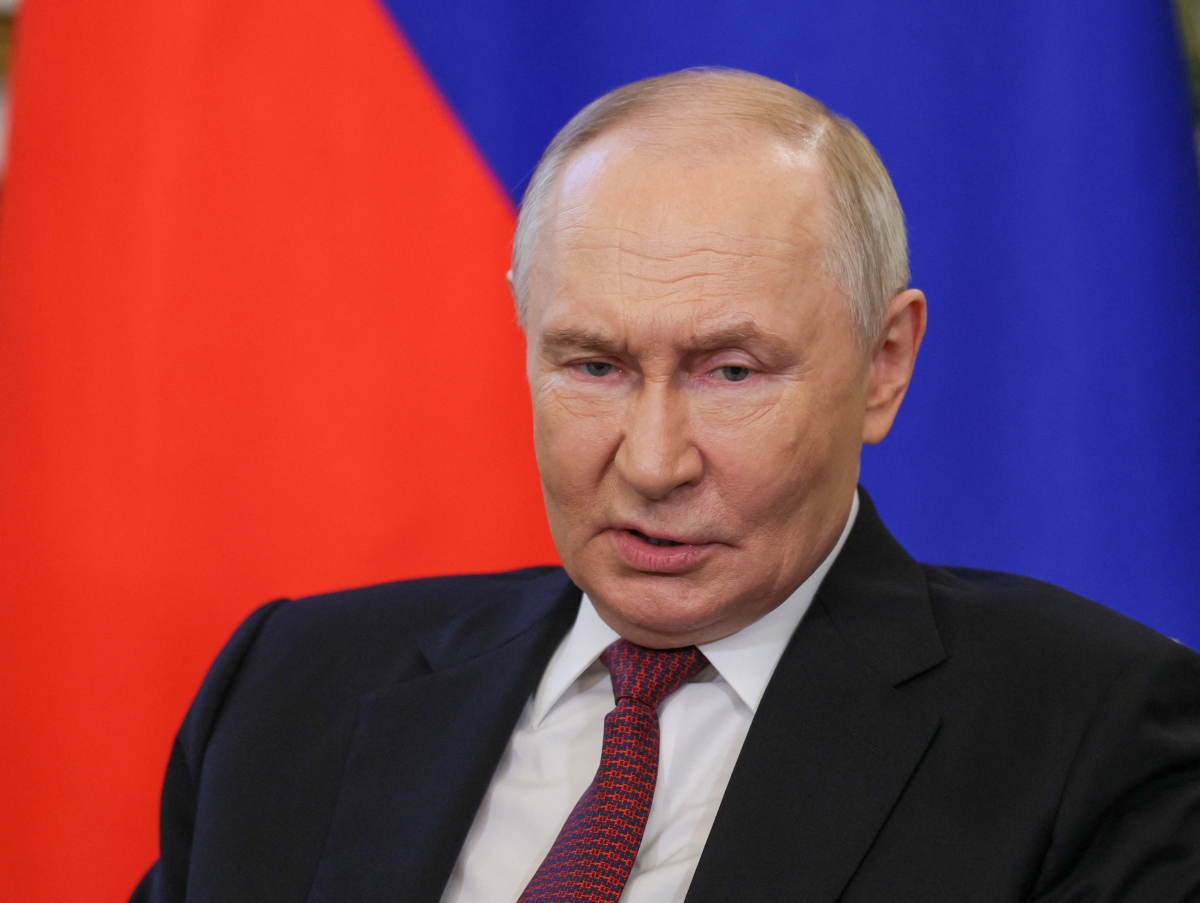
Yerevan purchased 82% of its natural gas from Russia in 2025. Russian President Vladimir Putin said Armenia was paying $177.50 per 1,000 cubic metres of gas, compared with more than $600 in Europe.
As part of the EU’s easing of trade restrictions, von der Leyen said a shipment of 10,000 Armenian flowers would arrive in Latvia on Friday.
Armenia’s flower industry is among the sectors affected by Russian trade measures.
Moscow introduced temporary restrictions on Armenian flower exports in May, citing the risk of plant diseases and pests, a justification that von der Leyen described as “questionable.”












What is your opinion on this topic?
Leave the first comment