As Armenia heads towards its parliamentary elections on 7 June, attention is turning to the South Caucasus peace process and its future direction. Analysts say the vote could influence the region’s shift from post-conflict agreements towards longer-term cooperation and integration.
From post-conflict stability to positive peace
While a range of bilateral and multilateral frameworks has developed in recent years, the durability of peace is still seen as dependent on whether cooperation extends beyond diplomatic declarations into sustained economic and societal links.
Speaking to AnewZ, political scientist Farhad Huseynov described the current stage as both “a challenge and opportunity” for Azerbaijan, as efforts continue to shape what he termed a lasting peace that goes beyond the mere absence of conflict.
He distinguished between “negative peace” - defined as the absence of active conflict - and “positive peace”, which he said requires deeper structural transformation.
According to Huseynov, economic interdependence is already contributing to this process. Expanding transit routes, trade flows and infrastructure projects, he argued, are creating a “living reality” of regional connectivity that supports the development of positive peace.
However, the analyst stressed that economic factors alone are not sufficient, noting that long-term sustainability also depends on rebuilding social and institutional ties.
“Social ties were severed and now we’re trying to rebuild them,” he said, underlining the need to restore everyday human and institutional connections.
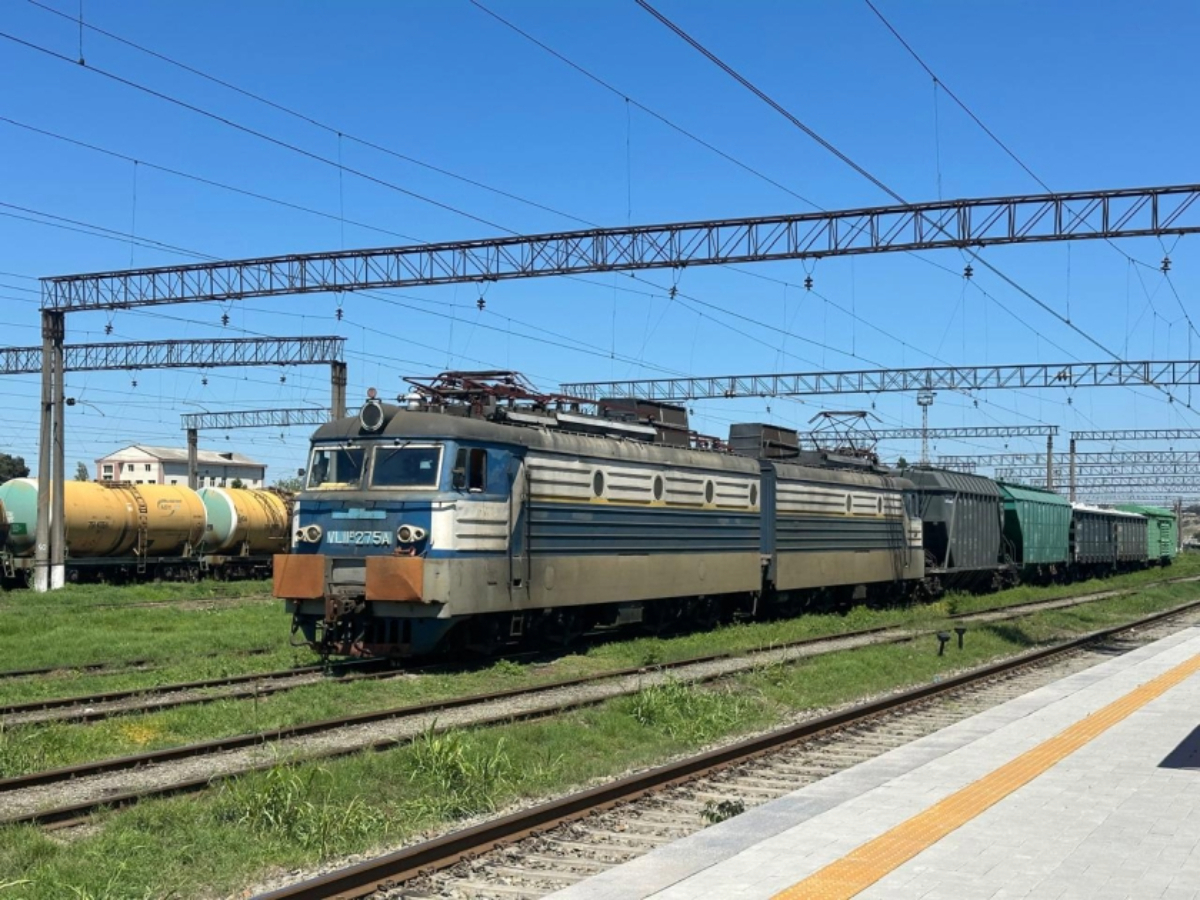
Another shipment from Russia to Armenia was carried out in transit through Azerbaijani territory on 1 June 2026.
Institutional frameworks and cooperation
Placing the South Caucasus in a broader historical context, Huseynov pointed to the European Union as an example of post-war integration, noting that it was created “to help Europeans live together after the devastating Second World War.”
Similar logic, he suggested, could be relevant for regional cooperation in the South Caucasus, provided political will exists among local actors.
Vision for a more integrated region
At the institutional level, the analyst argued that existing bilateral mechanisms and negotiation formats are largely sufficient, as long as they remain focused on their core purpose of facilitating cooperation.
Looking ahead, Huseynov outlined a broader vision of an “integrated South Caucasus,” potentially evolving into a more interconnected regional model over time.
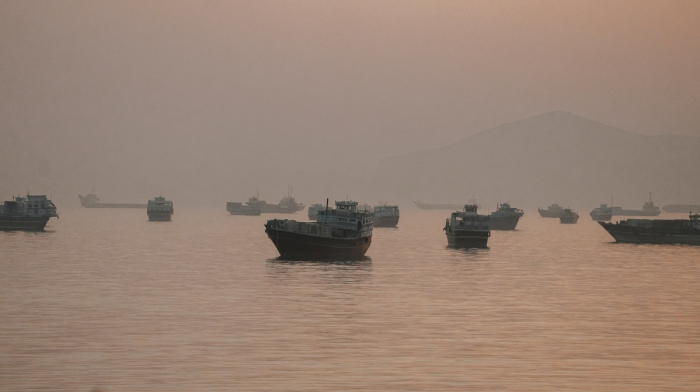
The U.S. said it struck Iranian radar sites on Qeshm Island and in Goruk after intercepting four drones, while Iran's Revolutionary Guards said they l...
Armenian authorities arrested six candidates from the pro-Russian Strong Armenia bloc on Saturday, one day before voters were due to take part in parl...
Ukrainian Deputy Prime Minister Oleksiy Kuleba said Russian forces attacked two civilian search and rescue vessels operating in Ukrainian waters on Sa...
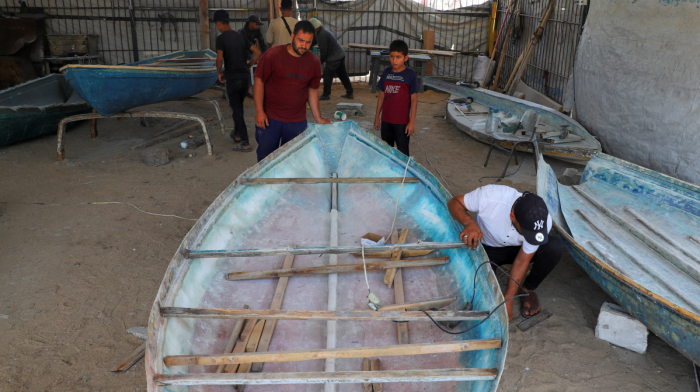
In a workshop surrounded by the wreckage of war, workers in Gaza are giving a second life to small leisure boats once used for family outings and swim...
Five Azerbaijani crew members were killed, and three others were injured after two cargo vessels were hit in a drone attack in the Sea of Azov, Azerba...
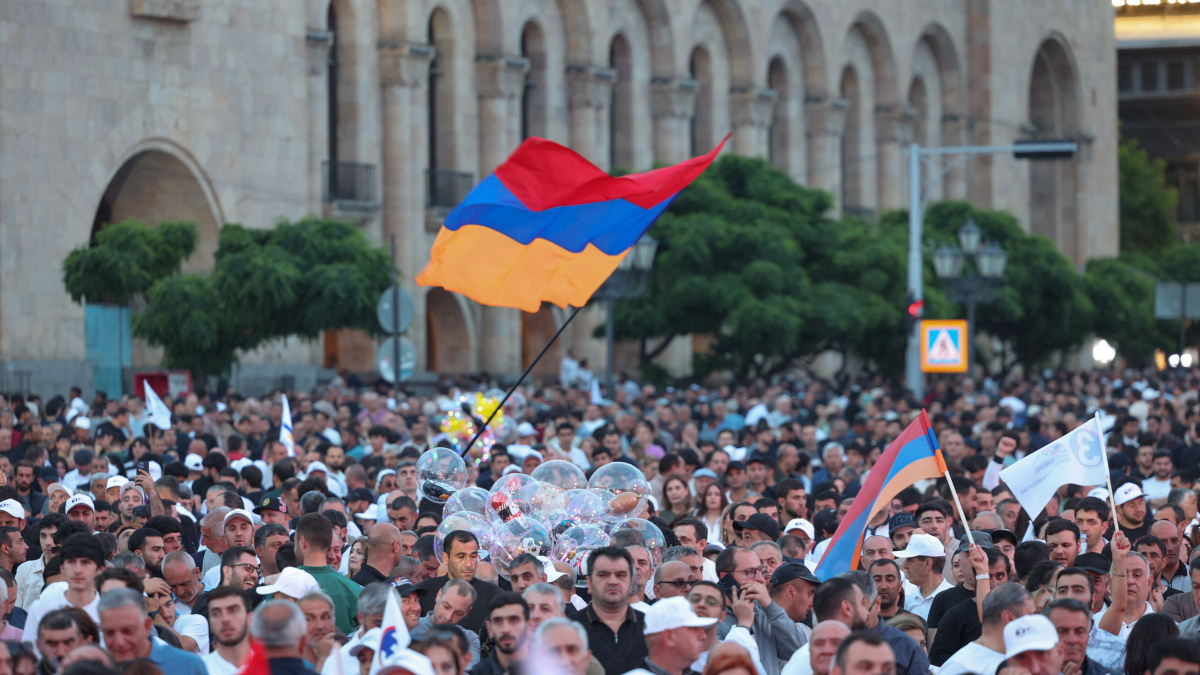
Armenia’s National Assembly election on 7 June is increasingly being viewed not only as a domestic political contest, but also as a vote that could shape the future direction of the South Caucasus.
As geopolitical alignments across Eurasia continue to evolve, U.S. engagement in the South Caucasus is once again drawing attention, particularly in relation to Azerbaijan, Armenia, and the broader regional peace process.
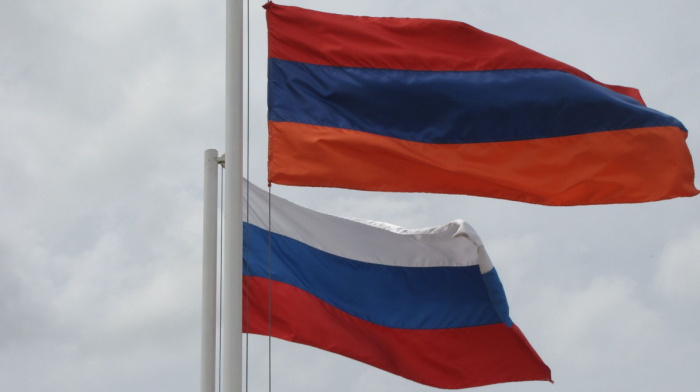
Russia has recalled its ambassador to Armenia for consultations, citing Yerevan's growing rapprochement with the European Union. The move is seen as the latest sign of deteriorating relations between the longtime allies ahead of Armenia's parliamentary election on 7 June.
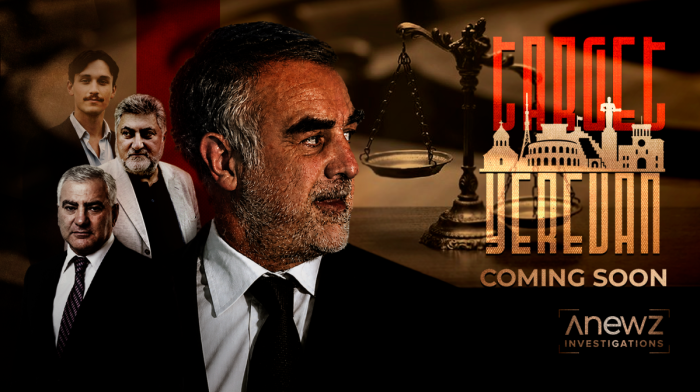
A new documentary by AnewZ Investigations titled 'Target Yerevan' is set to premiere in Baku soon, examining allegations surrounding former International Criminal Court (ICC) prosecutor Luis Moreno Ocampo, Armenian lobbying networks, and wider political influence campaigns.
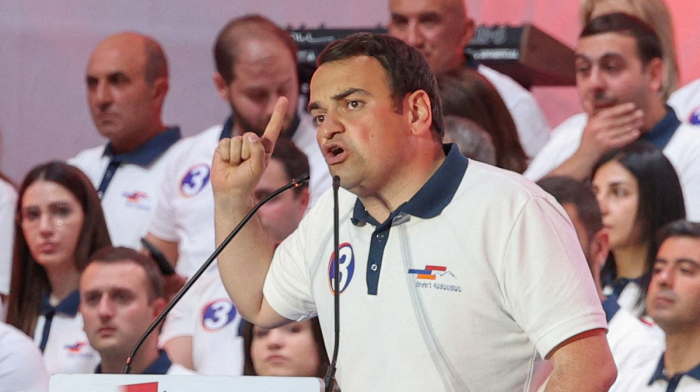
Armenian authorities arrested six candidates from the pro-Russian Strong Armenia bloc on Saturday, one day before voters were due to take part in parliamentary elections.
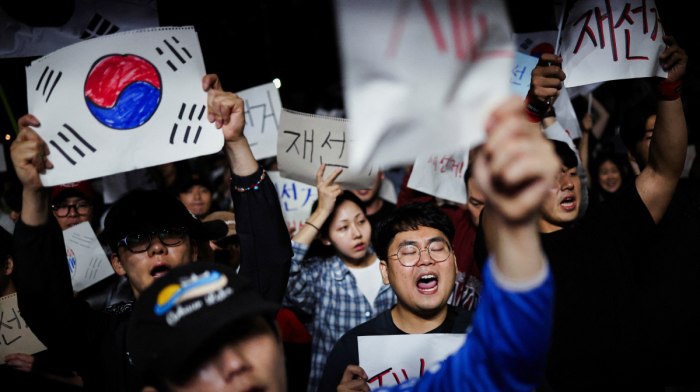
More than 6,000 people gathered outside a vote-counting centre in Seoul on Friday night, demanding this week’s local elections be repeated after ballot shortages left some voters unable to cast their ballots.
Five Azerbaijani crew members were killed, and three others were injured after two cargo vessels were hit in a drone attack in the Sea of Azov, Azerbaijan's Foreign Ministry said on Friday, as Russia blamed Ukraine for the strike.
The U.S. said it struck Iranian radar sites on Qeshm Island and in Goruk after intercepting four drones, while Iran's Revolutionary Guards said they launches retaliatory strikes on four tankers in the Strait of Hormuz and targeted U.S. bases in the Gulf.
After the dissolution of the Soviet Union in 1991, newly independent Armenia emerged with the promise of democracy. But in the years that followed, conflicts and political assassinations sidetracked politics in the country, until a 2018 revolution restored momentum to the promise.
Armenian authorities arrested six candidates from the pro-Russian Strong Armenia bloc on Saturday, one day before voters were due to take part in parliamentary elections.
Armenia’s National Assembly election on 7 June is increasingly being viewed not only as a domestic political contest, but also as a vote that could shape the future direction of the South Caucasus.
The Trump Route for International Peace and Prosperity (TRIPP), the ambitious multimodal transit corridor designed to connect mainland Azerbaijan with its Nakhchivan exclave through southern Armenia, has moved rapidly from political declaration to practical implementation.
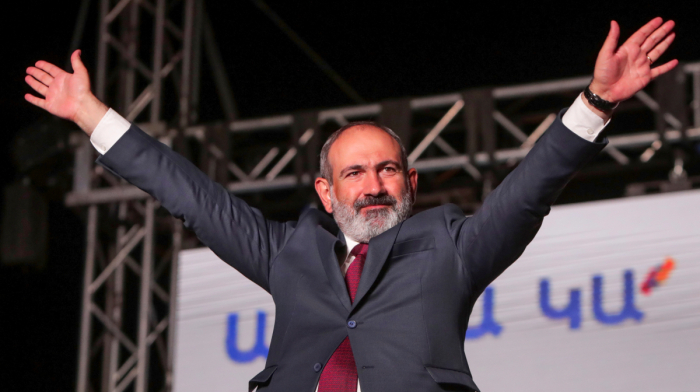
Armenians will vote on Sunday in a parliamentary election that will determine whether Prime Minister Nikol Pashinyan secures a new mandate to pursue peace with Azerbaijan or cedes ground to pro-Russian rivals.














What is your opinion on this topic?
Leave the first comment