The future of the Caspian Sea is in focus at Baku Climate Action Week, with experts examining how the region can adapt to a changing climate while protecting communities, infrastructure and ecosystems.
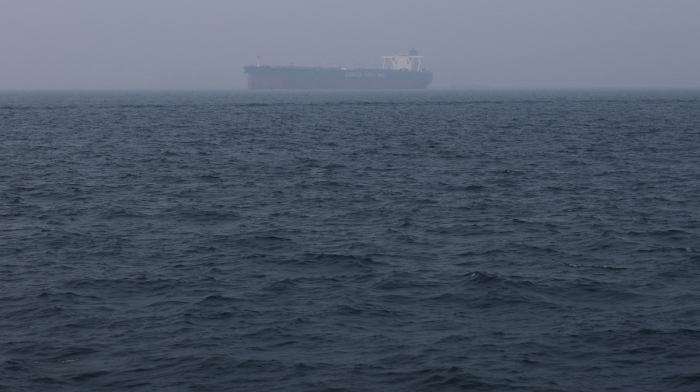
On the second day of the event, experts focused on falling water levels, rising temperatures and the impact of increased evaporation on the world’s largest inland body of water.
They warned that changes to the Caspian coastline could have consequences far beyond water availability, affecting biodiversity, local economies and communities that depend on the sea.
Climate pressures on coastal communities
Simonetta Siligato said changes in water levels and salinity could significantly affect coastal ecosystems and the livelihoods of people living around the Caspian.
“The changing coastline will have a very considerable effect on the people living along the coastline,” she said, adding that changes in biodiversity could directly affect communities that depend on marine resources.
Experts also highlighted the need for better planning, warning that infrastructure cannot easily be adapted to shifting coastlines.
Runze Wang said even small changes in water levels could expose large areas of land in shallow coastal zones, posing challenges for ports, roads and settlements.
He stressed the importance of integrated and anticipatory planning to identify vulnerable areas and build resilience.
Technology takes centre stage in adaptation efforts
Discussions at Baku Climate Action Week also turned to practical solutions, including improved data collection, monitoring systems and greater cooperation between countries bordering the Caspian Sea.
Agriculture was another major focus, with experts examining ways to help farmers adapt to changing climate conditions.
Azerbaijan presented its AI-based Farmer Scoring System, developed with support from the Food and Agriculture Organization of the United Nations, as an example of how technology and data can support climate-resilient agriculture.
The event also examined digital infrastructure, climate-resilient cities and the role of young people in shaping future climate solutions.
With climate pressures mounting, participants said identifying risks and putting practical adaptation measures in place would be crucial to protecting communities, infrastructure and ecosystems across the Caspian region.













What is your opinion on this topic?
Leave the first comment