European Union leaders agreed on Thursday to extend sanctions against Russia over its ongoing war in Ukraine for a further 12 months, marking the first time the restrictive measures have been renewed on an annual basis rather than the previous six-month cycle.
A spokesperson for the chair of the summit in Brussels confirmed the decision, which maintains pressure on key sectors of the Russian economy as the war approaches its fourth year.
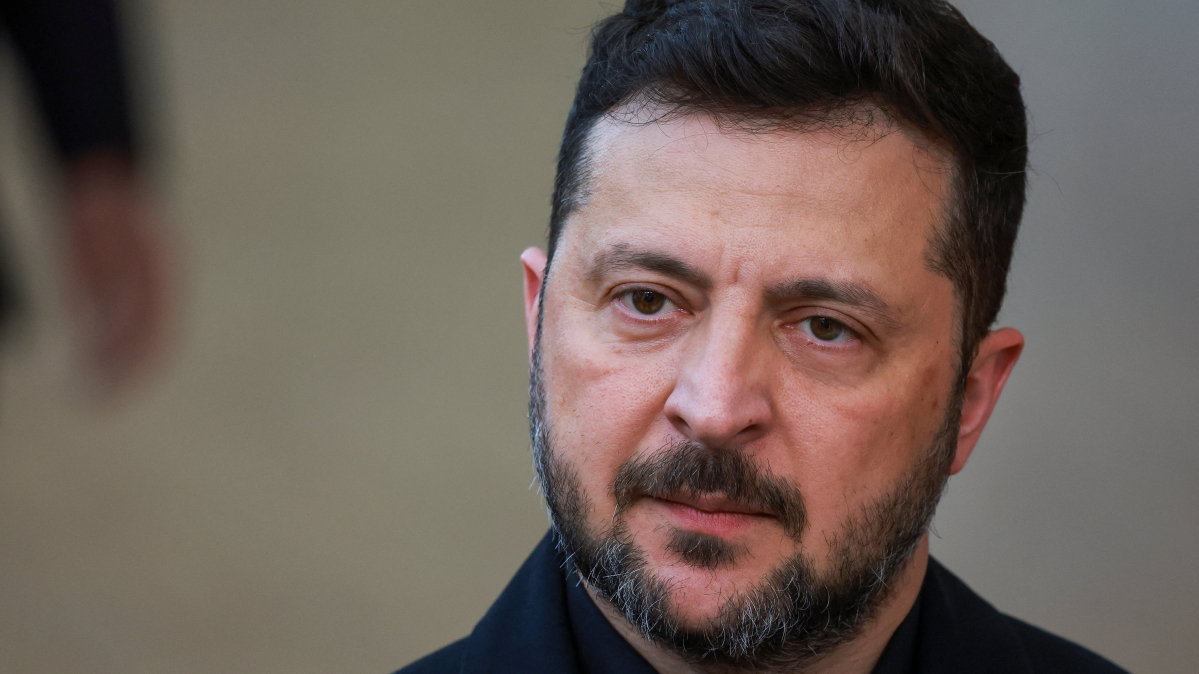
Ukrainian President Volodymyr Zelenskyy told EU leaders that Europe’s future security depends on Ukraine’s defence against Russia, renewing his call for a fast-track path to European Union membership.
“Every democratic nation in Europe deserved to be in the EU,” Zelenskyy said, arguing that Ukraine had “paid more than any other country” for its right to independence and European integration.
He acknowledged divisions within the bloc, including opposition from Hungary, which has pushed to soften language on accelerated accession in EU summit conclusions.
Accession talks move forward
Despite disagreements, EU ambassadors last week approved the start of accession negotiations with Ukraine and Moldova, beginning with the first of six policy clusters aimed at aligning legislation with EU standards.
A European Council statement welcomed the formal opening of talks and signalled readiness to advance further chapters on a merit-based basis, though without committing to accelerated timelines.
Hungarian officials said references to fast-tracking Ukraine’s membership were removed from the final summit text.
War pressures
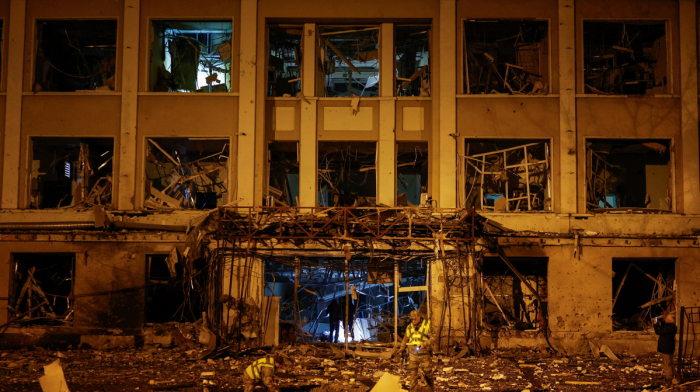
Zelenskyy used the summit to highlight ongoing Russian strikes and Ukraine’s long-range operations, including reported drone attacks on targets deep inside Russian territory, such as an oil refinery near Moscow.
He said Ukraine aims to end the war within the year through diplomacy and sustained international pressure on Russia, while warning of intensified missile and drone attacks.
The Kremlin, meanwhile, reiterated its position that it would continue “massive coordinated strikes” in response to Ukrainian attacks, underscoring the continued escalation on both sides.
The Ukrainian president also urged EU leaders to prioritise military and financial support, including air defence systems, energy supplies, and at least 300 additional missiles if the war extends into winter.
He called for the release of €6 billion from the European Peace Facility and encouraged stronger financial mechanisms to ensure sustained support for Kyiv’s defence effort.
Zelenskyy said Ukraine remains open to negotiations with Russia but stressed that Europe must maintain sanctions pressure and close loopholes to secure a stronger position at the negotiating table.
Read more:










What is your opinion on this topic?
Leave the first comment