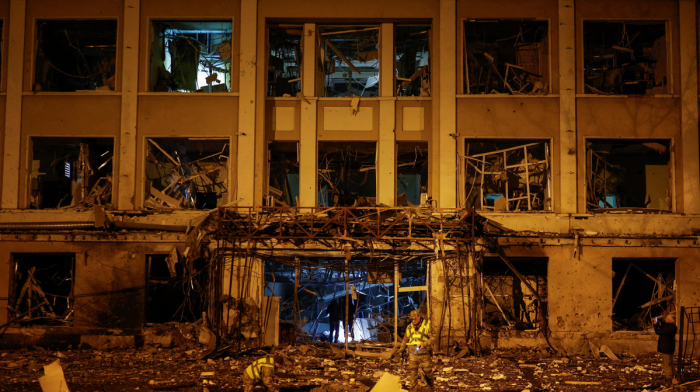
A Ukrainian drone strike has hit an oil refinery in south-east Moscow for the second time in three days, triggering a major fire, disrupting flights across the Russian capital and highlighting growing vulnerabilities in the country's energy infrastructure.
Capital disrupted by rare deep strike
The attack reportedly evaded Russian air defences, sending the lid of a storage tank flying into the air and igniting a blaze that produced thick plumes of black smoke, according to accounts from the scene. The facility is located within Moscow's ring road, about 16km from central government buildings.
The strike caused widespread disruption across Moscow, a city of more than 13 million people. All major airports temporarily suspended operations, while traffic on key highways around the refinery was halted. Sheremetyevo Airport, the capital's busiest, was also evacuated.
Residents reported confusion and a lack of official warning, with some saying no air raid sirens were heard. In online discussions, locals described unusual debris, including oily residue reportedly found on cars and windows in surrounding suburban areas.
While drone attacks on Moscow have occurred intermittently since 2023, including an incident that reached the perimeter of the Kremlin that year, the latest strike has been described as one of the most disruptive to daily life in the capital to date.
Ukraine intensifies pressure on Russian energy sector
The attack forms part of a broader Ukrainian campaign targeting Russia's oil infrastructure, which Kyiv argues is central to financing the Kremlin's military operations.
Ukrainian officials have framed such strikes as evidence of their ability to hit strategic assets far from the front line, demonstrating both military reach and economic pressure.
Foreign Minister Andrii Sybiha directly addressed Russian citizens following the strike, linking the attack to Russia's invasion of Ukraine and urging public reflection on the consequences of the conflict.
Messaging battle between Kyiv and Moscow
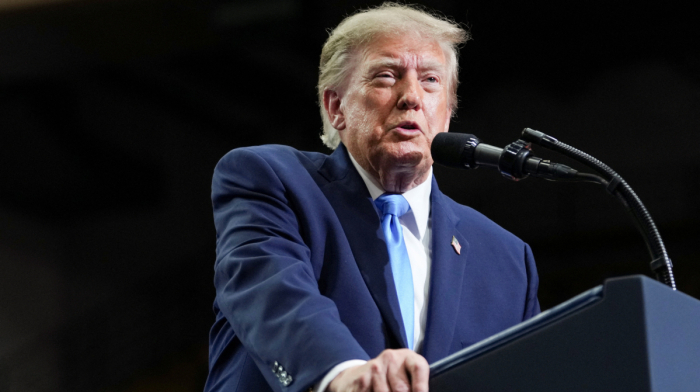
Kyiv has also used the strikes to reinforce its position internationally, with President Volodymyr Zelenskyy presenting arguments to U.S. President Donald Trump and other G7 leaders that Ukraine is gaining leverage in the conflict.
Russian officials, however, have dismissed such claims. A Kremlin aide said the situation on the battlefield was not shifting in Ukraine's favour and criticised what he described as misleading influence on Western leaders. President Vladimir Putin did not comment directly on the incident, instead attending engagements at a summit in Kazan.
Economic pressure and fuel concerns inside Russia
Beyond the immediate security impact, Ukraine's strikes on energy infrastructure are contributing to wider economic strain. Reports have indicated emerging fuel shortages in parts of Russia in recent weeks, alongside rising petrol prices in some regions.
Russian authorities have stated that fuel supplies in and around Moscow remain stable, although the federal anti-monopoly service has reportedly questioned recent price increases by major retailers.
Industry sources have also suggested Russia may resort to seaborne fuel imports this month, highlighting potential disruptions in a country that is one of the world's largest oil producers and exporters.
Information control and domestic perception
Within Russia, analysts say many citizens have largely tried to distance themselves from the realities of the conflict, which the Kremlin continues to describe as a "special military operation".
However, the visibility of drone strikes in the capital is becoming increasingly difficult to ignore. The circulation of videos showing fires and damage has become a point of contention, with some pro-government voices warning that sharing such footage could aid Ukrainian targeting and should be treated as a security offence.
As strikes reach deeper into Moscow's infrastructure, both sides appear to be intensifying not only military pressure but also a parallel information battle over how the conflict is understood at home and abroad.








What is your opinion on this topic?
Leave the first comment