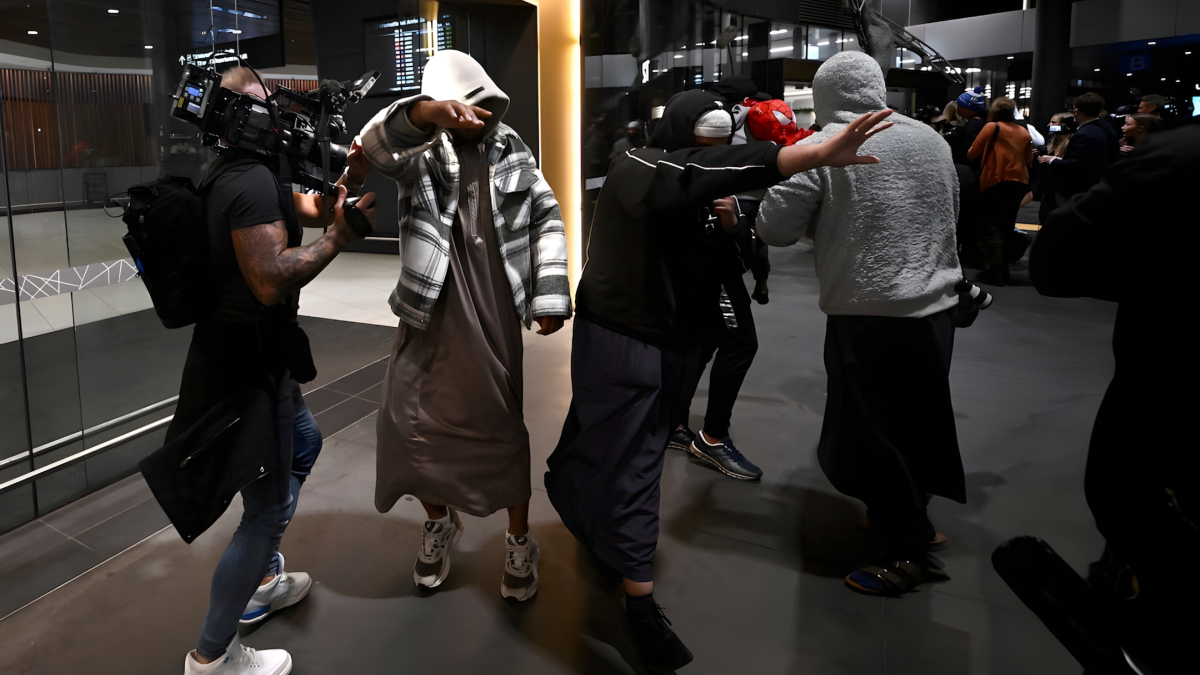
A group of Australian women and children detained for years in Kurdish-run camps in northeastern Syria due to links to Islamic State are expected to arrive in Australia on Thursday evening.
The highly sensitive repatriation operation follows confirmation by the Australian government on Wednesday that four women and nine children were leaving Syria to return home. Authorities stressed the group would receive no government financial or logistical support for their journey, underlining the political sensitivity surrounding the issue.
According to the Australian Broadcasting Corporation (ABC), the group split during transit through the Middle East. One woman and her child were reportedly on a commercial flight from Doha, Qatar, to Sydney, while the remainder boarded a separate flight to Melbourne.
The office of Home Affairs Minister Tony Burke did not immediately respond to requests from Reuters for comment on the group’s travel arrangements or the security measures planned for their arrival.
Arrests, investigations and reintegration
The return of the group presents a significant challenge for Australian law enforcement and social services. The Australian Federal Police (AFP) have been preparing for the operation for months and warned that some of the women could face immediate arrest and prosecution under Australia’s counter-terrorism laws.
Those not charged immediately are expected to face ongoing security investigations to determine the extent of any involvement in or support for the activities of the Islamic State group. Authorities will assess whether the women actively participated in the group or were coerced by radicalised husbands.
The nine returning children are expected to receive welfare and deradicalisation support. Many were born under the caliphate or spent much of their lives in detention camps marked by violence and extremism. State welfare agencies are expected to provide psychological care, education and community reintegration programmes.
The legacy of the caliphate
Between 2012 and 2016, dozens of Australian women travelled illegally to Syria and Iraq, many claiming they were joining husbands who had gone to fight for Islamic State during the height of the group’s territorial expansion.
After the territorial defeat of IS by a U.S.-backed coalition in 2019, thousands of relatives of suspected fighters, including hundreds of foreign nationals, were detained indefinitely. Many were held in overcrowded camps such as al-Hol near the Iraqi border, where conditions were marked by disease, malnutrition and ongoing radicalisation by hardline IS supporters.
While some Australian women returned shortly after the fall of the caliphate, many others remained stranded in legal and diplomatic limbo.
The urgency to repatriate the remaining detainees increased in recent months following major regional instability. In January 2026, the United States military began rapidly relocating detained IS members and affiliated civilians out of Syria after the collapse of the Kurdish-led Syrian Democratic Forces (SDF).
For years, the SDF had guarded around a dozen major detention facilities as the primary Western-backed force in the region. Its collapse raised fears of mass prison breaks and a possible resurgence of Islamic State, prompting countries including Australia to retrieve their citizens before they disappeared into the conflict zone.













What is your opinion on this topic?
Leave the first comment