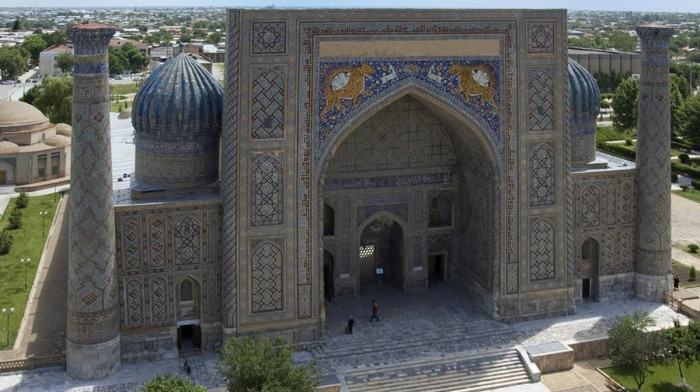
Paris sees boom in luxury marriage proposals for Valentine’s Day
Tourists from all over the world flock to Paris, France for elaborate Valentine’s Day proposals, with agencies reporting record bookings and luxury ...
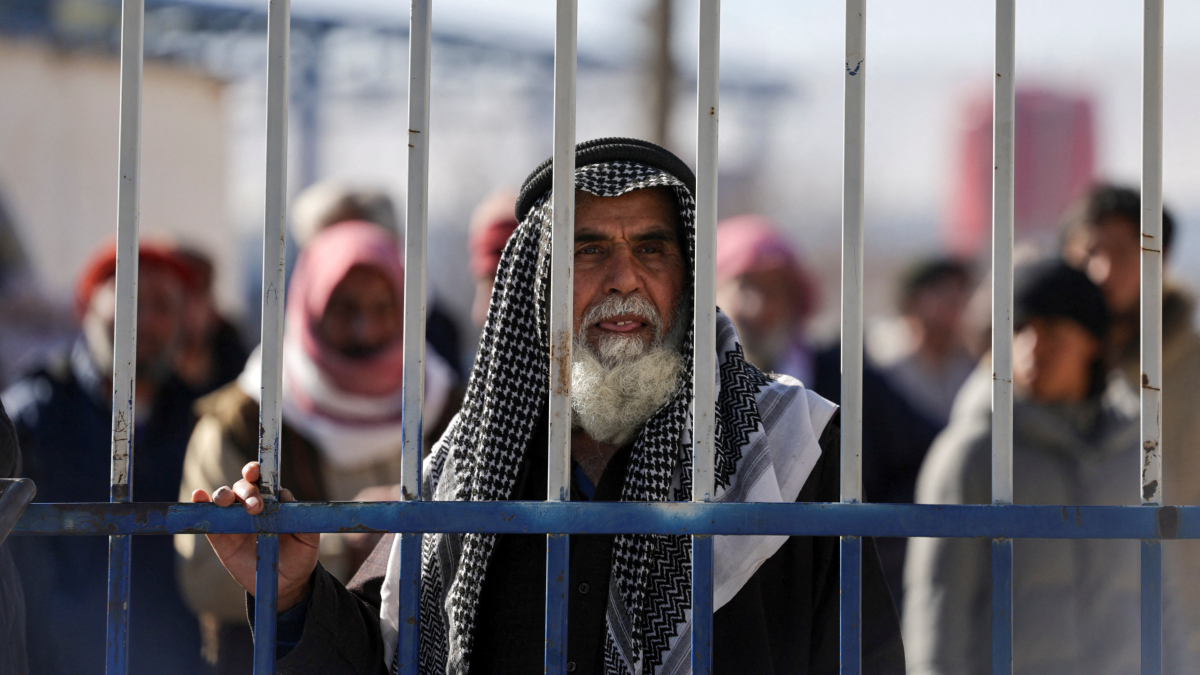
Tens of thousands of people accused of links to Islamic State remain detained in camps across northeast Syria, as control shifts from Kurdish forces to the Syrian army, raising fresh legal, humanitarian and security concerns.
Armed guards patrol the camp’s gates, preventing residents from leaving. The population is made up mostly of women and children, many of whom say they are being punished without trial and denied the chance to challenge the accusations against them.
“They insist on calling us terrorists, but we are not terrorists,” said Fatma Ali, a resident of Al-Hol. She said children in the camp are growing up stigmatised and traumatised, adding that families should be allowed to leave so children can study, integrate and live normal lives.
Although women and children form the majority of Al-Hol’s population, men are also held at the site. The Kurdish-led Syrian Democratic Forces (SDF) have previously said the camp is part of a wider detention system for thousands of suspected Islamic State members. Detainees say many were never given an opportunity to contest the claims against them.
Mohammad Issam, another resident, said he survives by selling food to buy milk for his child. He said authorities demanded proof of identity to leave the camp, something he says is impossible to obtain due to the lack of internet access or phones. He said he was told his name was already on a list linking him to armed groups.
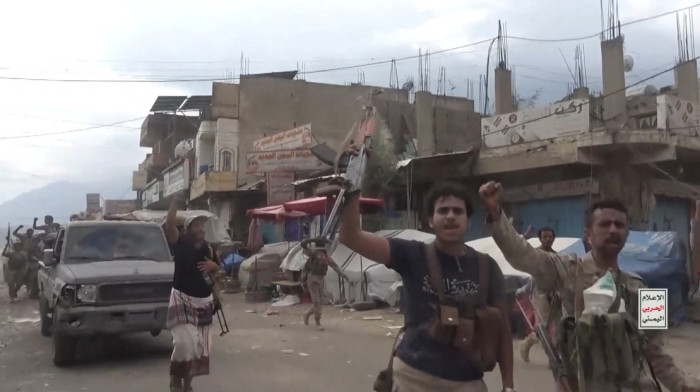
Control of the camps shifted this week after intense clashes in the area, when the Syrian army advanced and forced the SDF out, adding to uncertainty over who now holds responsibility for detainees.
Analysts warn that beyond immediate security risks, the long-term legal and humanitarian future of those held remains unclear.
Political analyst Mostafa Al Naimi said rehabilitation programmes could be developed, but only through agreements between the Syrian government and detainees’ countries of origin. He said many cases involve dual nationals and there is no unified approach to prosecution or reintegration.

Europe heads into the Munich Security Conference, on Friday (13 February), amid deepening unease over U.S. policy, as President Donald Trump’s hard-line stance on defence, trade and territory fuels doubts about Washington’s long-term commitment to transatlantic security.
American figure skating star Ilia Malinin endured a dramatic collapse in the men’s free skate on Friday night, falling twice and tumbling out of medal contention at the Milan Cortina Winter Olympics as Kazakhstan’s Mikhail Shaidorov surged to a surprise gold medal.
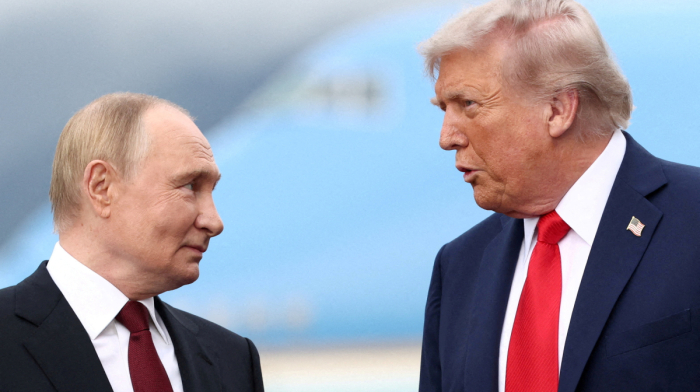
“Respected and feared globally,” U.S. President Donald Trump told troops at Fort Bragg on Friday (13 February), framing America’s renewed strength against to mounting pressure on Iran amid stalled nuclear talks.
Dubai-based global ports operator DP World said on Friday that its long-serving chairman and chief executive, Sultan Ahmed Bin Sulayem, has stepped down following mounting pressure linked to alleged ties to disgraced financier Jeffrey Epstein.
Speaking at Munich Security Conference, Ukrainian foreign minister Andrii Sybiha calls for decisive steps ahead of expected Geneva talks
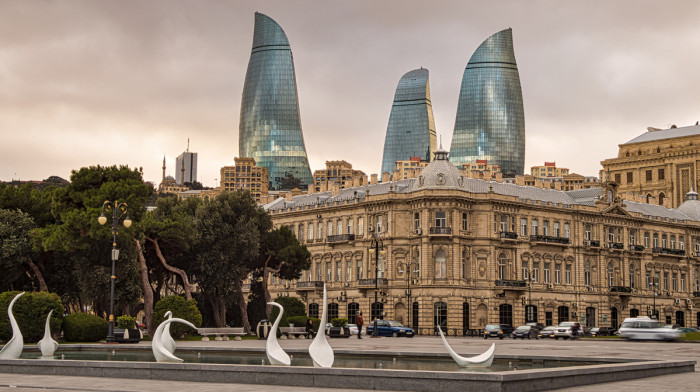
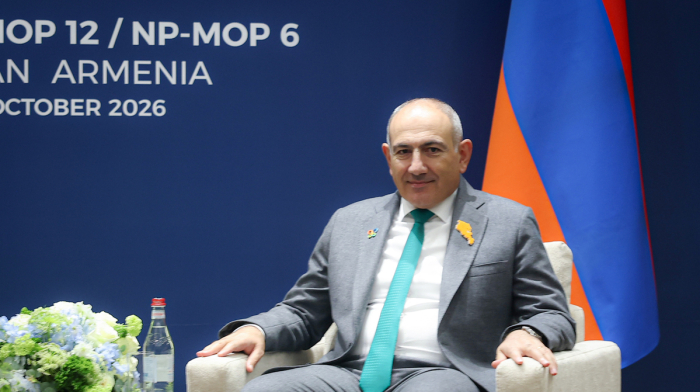
“For me, peace with Armenia is done,” President of Azerbaijan Ilham Aliyev told France 24 on the sidelines of the Munich Security Conference, reflecting on six months of calm on the border and progress in trade and regional cooperation.
A powerful sandstorm sweeping across Gaza has further worsened living conditions for displaced Palestinians already struggling amid a deep humanitarian crisis.
President of Azerbaijan Ilham Aliyev spoke about the emergence of a new world order at the Munich Security Conference. In response to a question by AnewZ's Orkhan Amashov, he discussed the creation of the Board of Peace, launched in Davos and its upcoming first summit in Washington.
Türkiye and Syria plan to establish a joint coordination system aimed at streamlining communication between the two countries and countering disinformation, a senior Turkish official said on Thursday.
Georgia’s Foreign Ministry has raised concerns over reports that the Kulevi oil terminal on the country’s Black Sea coast could be included in a future European Union sanctions package against Russia.
You can download the AnewZ application from Play Store and the App Store.
What is your opinion on this topic?
Leave the first comment