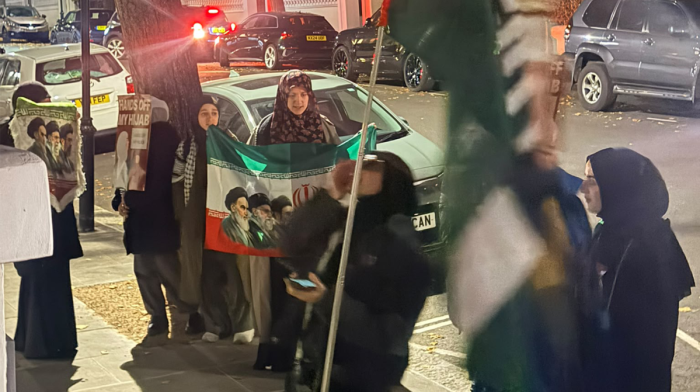
Protest outside Azerbaijani Embassy in London features Iranian flags and hijab placards
Demonstrators carrying Iranian flags and placards supporting the hijab gathered outside the Azerbaijani Embassy...
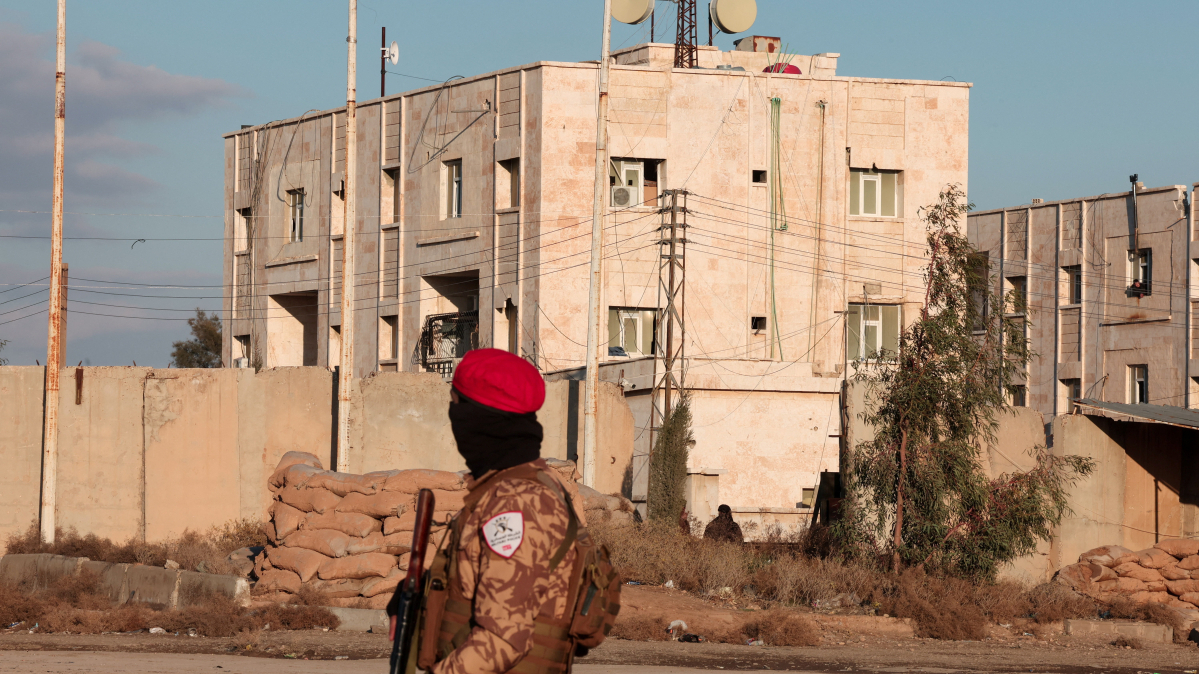
Syria's Interior Ministry said on Tuesday that about 120 Islamic State detainees escaped from Shaddadi prison, after the Kurdish website Rudaw reported that a spokesperson for the Kurdish-led Syrian Democratic Forces, Farhad Shami, said around 1,500 Islamic State members had escaped.
The Syrian ministry said Syrian army units and ministry special forces entered Shaddadi following the breakout. It said security forces had recaptured 81 of the escapees after search and sweep operations in the town and surrounding areas, with efforts continuing to arrest the remaining fugitives.
Earlier, the Syrian army said "a number of" Islamic State militants had escaped a prison that had been under SDF control in the eastern city of Shaddadi, accusing the SDF of releasing them.
After days of fighting with government forces, the SDF agreed on Sunday to withdraw from both Raqqa and Deir al-Zor, two Arab-majority provinces they had controlled for years and the location of Syria's main oil fields.
Meanwhile, Syrian President Ahmed al-Sharaa and U.S. President Donald Trump discussed developments in Syria during a phone call on Monday (19 January), including Kurdish rights and cooperation against Islamic State, the Syrian presidency said.
According to the presidency, both leaders stressed the need to preserve the rights of Kurdish people within the Syrian state and agreed to continue working together to combat Islamic State.
The call came a day after Damascus signed a wide-ranging integration agreement with the Kurdish-led Syrian Democratic Forces (SDF), aimed at incorporating Kurdish civilian and military structures into state institutions.
Despite the deal, tensions persisted on Monday in parts of northern Syria, underscoring the fragility of the arrangement following days of fighting.
The agreement marks a significant shift in Syria’s political and security landscape, as Damascus moves to reassert control over territory previously held by the SDF, once the main U.S. ally in the country.
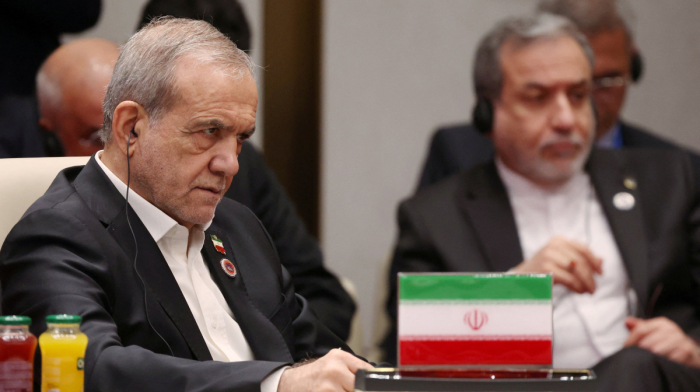
The Middle East conflict remains tense as diplomatic efforts continue alongside renewed Houthi attacks. Iran says it remains open to mediation, while the Saudi-led coalition says it intercepted a ballistic missile fired towards the kingdom.
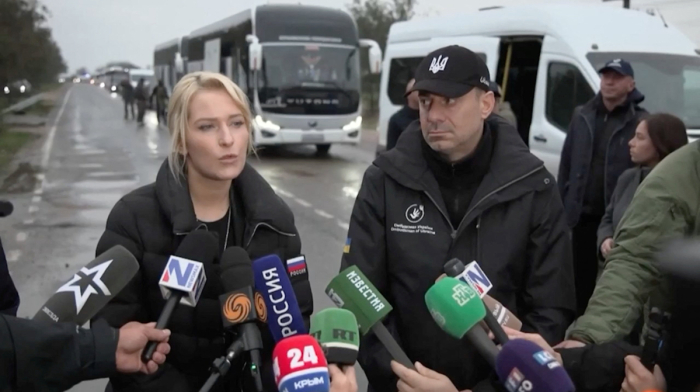
Evacuations and the provision of humanitarian aid in the Russian-occupied southern Ukrainian town of Oleshky have begun, a senior Ukrainian official said on Friday. In a statement on Telegram, David Arakhamia said a six-day ceasefire was holding, and that more details would follow.
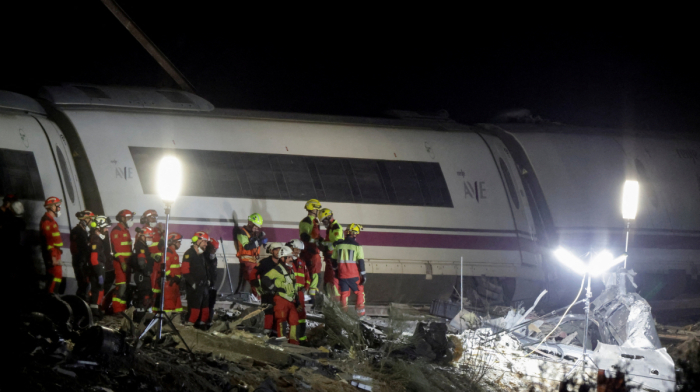
Rescuers searched the wreckage of two high-speed trains in central Spain on Thursday as the death toll rose to a provisional 74, making it the country's second fatal high-speed rail disaster this year.
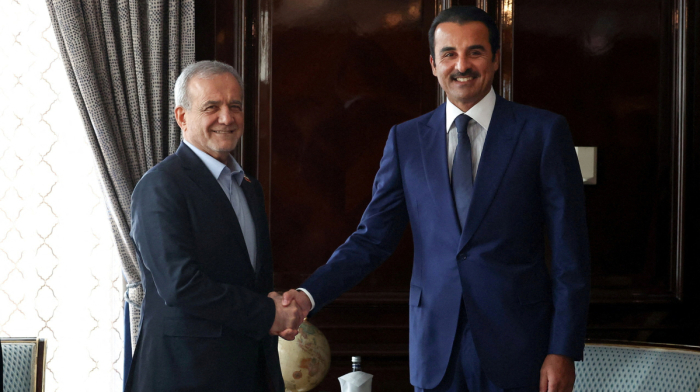
Qatari mediators returned to Tehran on Friday as part of efforts to reach a deal between the U.S. and Iran, according to an official briefed on the talks.
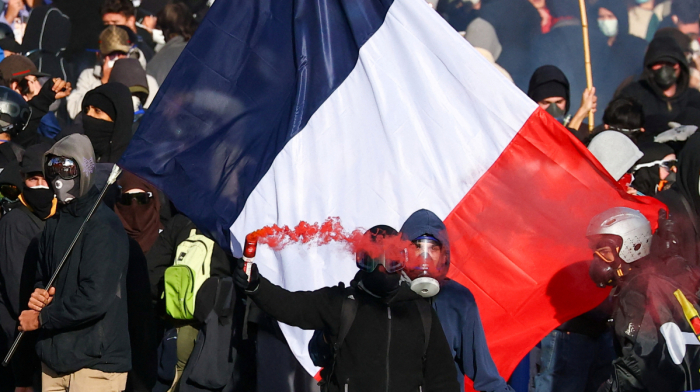
UN human rights experts comprising a group including Special Rapporteurs and independent experts who are part of the UN Human Rights Council, have criticised French authorities over their handling of nationwide student protests.
Demonstrators carrying Iranian flags and placards supporting the hijab gathered outside the Azerbaijani Embassy in London.
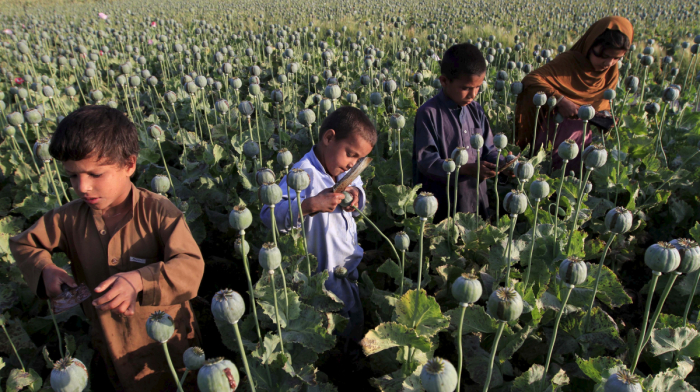
Opium poppy cultivation in Afghanistan surged by 330 per cent in 2026 despite a four-year ban, the United Nations said on Thursday. Afghan authorities disputed the findings, while Japan urged continued support for farmers seeking alternative livelihoods.
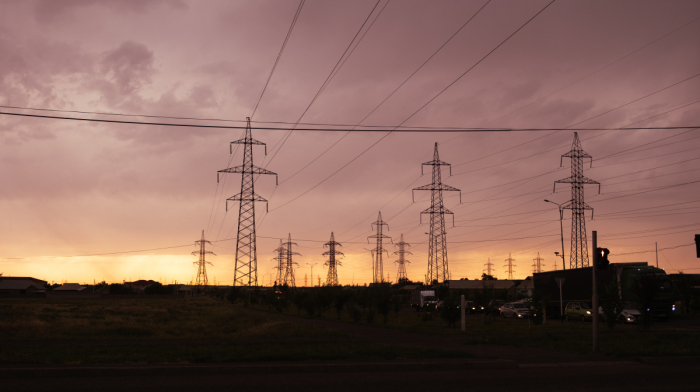
Central Asia could gain up to $640 million a year from closer energy cooperation, but strained electricity grids threaten to limit those gains, with Kazakhstan particularly exposed to regional power shortages and growing pressure on its network.
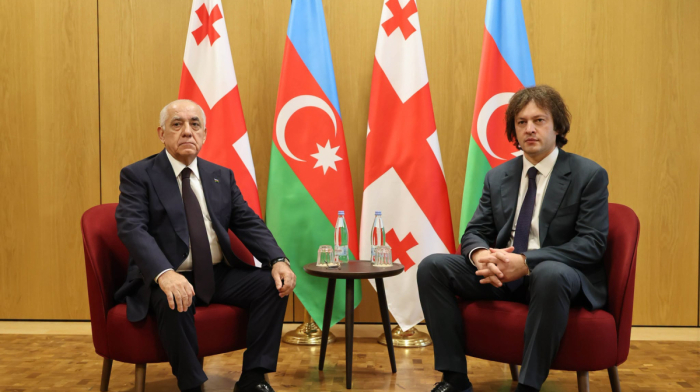
Georgia and Azerbaijan are stepping up efforts to boost trade, strengthen transport links between Asia and Europe and resolve a longstanding border dispute, as both countries seek to deepen their strategic partnership.
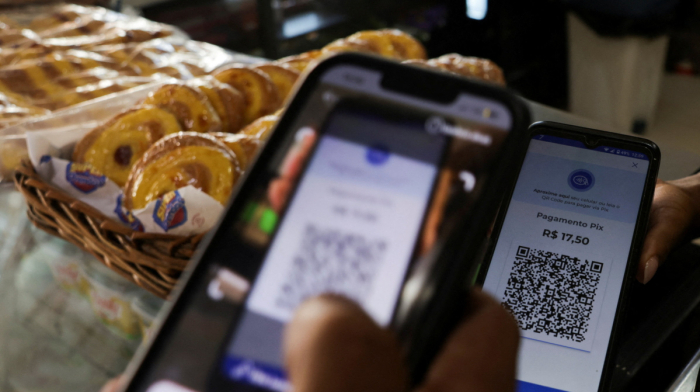
People travelling between Uzbekistan, Kazakhstan, Kyrgyzstan, Tajikistan and Azerbaijan could soon be able to pay for purchases using their usual banking apps. Central banks from the five countries are working on linking their national payment systems.
You can download the AnewZ application from Play Store and the App Store.
What is your opinion on this topic?
Leave the first comment