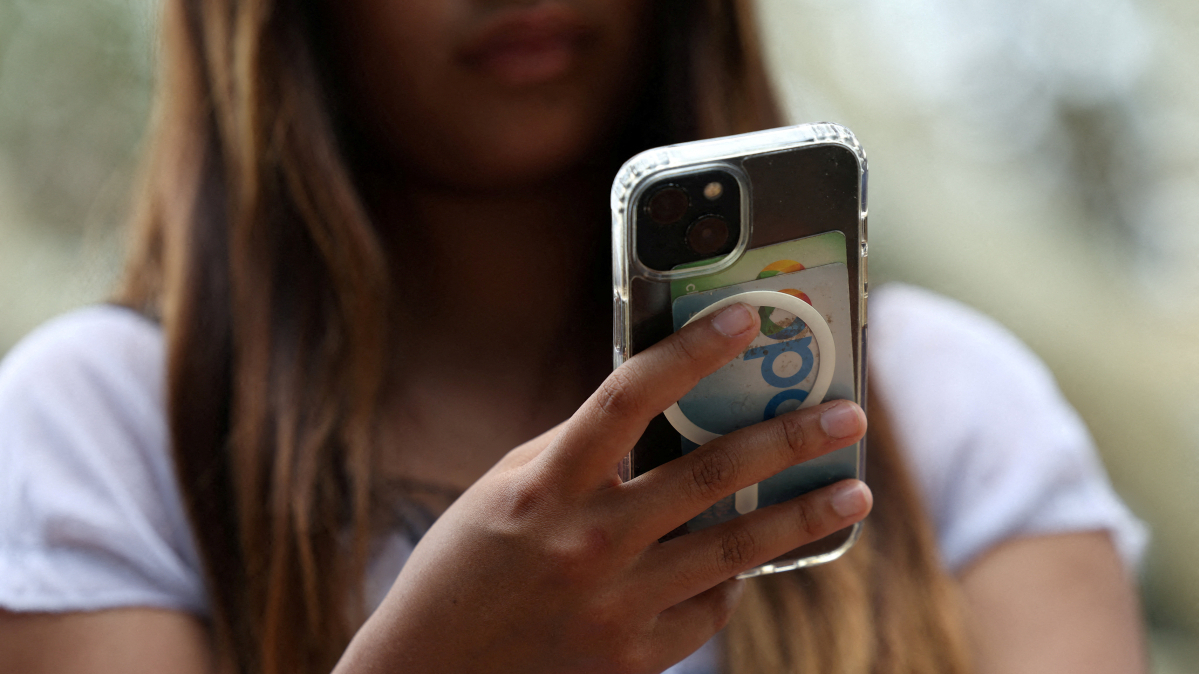
Greece will ban access to social media for children under 15 from 1 January 2027, Prime Minister Kyriakos Mitsotakis said on Wednesday, citing rising anxiety, sleep problems and the addictive design of online platforms.
An opinion poll by ALCO published in February showed about 80% of respondents supported the ban. The Greek government has already outlawed mobile phones in schools and introduced parental control platforms to limit teenagers' screen time.
"Greece will be among the first countries to take such an initiative," Mitsotakis said in a video message, adding that he had spoken with parents before making the decision. "I am certain, however, that it will not be the last. Our goal is to push the European Union in this direction as well."
Global concern
Australia became the world’s first country to ban social media for children under 16 in December, blocking access to platforms including TikTok, Alphabet’s GOOGL.O YouTube, and Meta’s META.O Instagram and Facebook.
Meta, Snapchat and TikTok have said they continue to believe Australia’s ban will not protect young people, but have committed to complying with it.
Greece cannot yet require social media platforms to verify users’ ages, but it recommends that companies use mechanisms already established by the EU and Greece, the government said, urging parents to assist in the effort.
From 1 January 2027, platforms will need to be able to restrict underage users or face fines under the EU Digital Services Act (DSA), which can reach up to 6% of global turnover, Digital Governance Minister Dimitris Papastergiou said.
More countries considering bans
Greece’s parliament will legislate the ban in mid-2026. Other countries are also tightening rules on social media, with the United Kingdom, Malaysia, France, Denmark and Poland either considering bans or in the process of introducing legislation.
Writing separately to European Commission President Ursula von der Leyen, Mitsotakis called for coordinated European Union action, arguing that national measures alone would not be sufficient to protect minors from internet addiction.
In the letter, he proposed establishing an EU-wide "digital age of majority" at 15, mandating age verification and regular re-verification for all platforms, and creating a harmonised enforcement and penalty framework. He urged the bloc to implement a unified system by the end of 2026.
EU countries do not have Australia’s flexibility on the matter, State Minister Akis Skertsos said during a joint press conference.
"National legislation is linked and influenced to a large extent by EU legislation," he said. "Unless we have an EU legislative framework...national legislation alone will be ineffective."

















What is your opinion on this topic?
Leave the first comment