Millions of Orthodox Christians across the globe celebrated Easter, known as Holy Pascha, on Sunday (12 April) with midnight liturgies, candlelight processions and deeply rooted local traditions reflecting centuries of faith.
Observed as the most important event in the Orthodox Christian calendar, Pascha commemorates the resurrection of Jesus Christ and symbolises the triumph of life over death.
The date, calculated according to the Julian calendar, fell a week after Western Easter this year, highlighting a longstanding calendrical difference between Christian traditions.
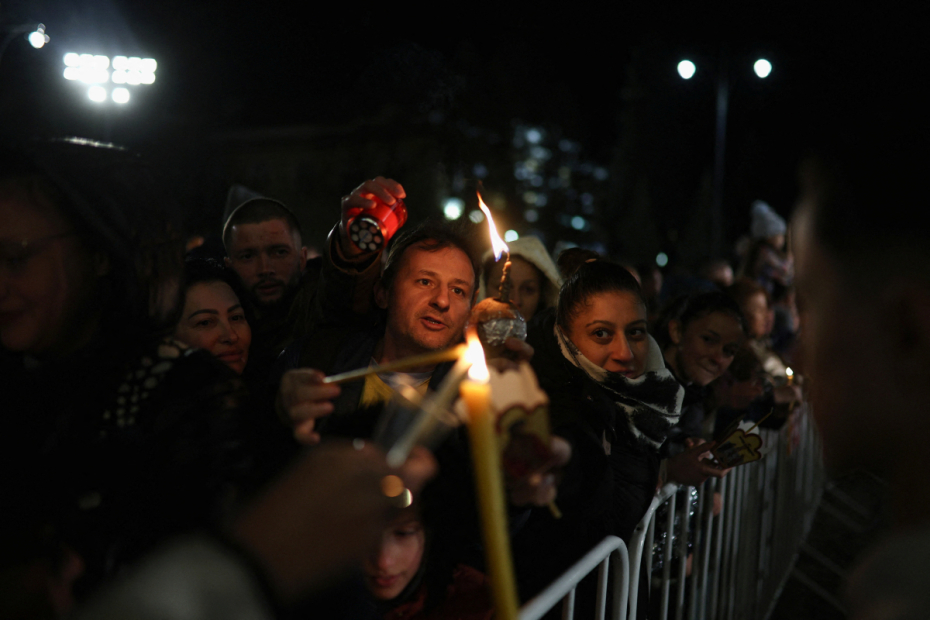
From Europe to the Middle East, believers gathered late on Holy Saturday for services that culminated at midnight, when churches are often plunged into darkness before being illuminated by candlelight as a symbolic moment marking the resurrection.
Across Orthodox communities, traditions such as painting eggs red, sharing festive meals and greeting one another with “Christ is risen” remain central to the celebrations.
More than 250 million Orthodox Christians worldwide observe the feast, often describing it as the “Feast of Feasts”, reflecting its spiritual importance.
United Kingdom
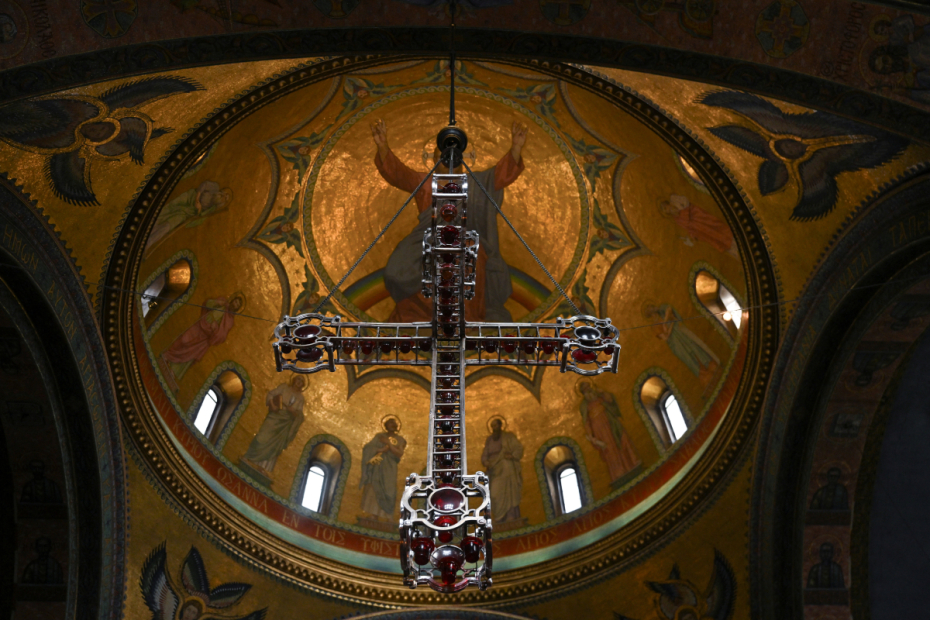
In Britain, Orthodox Christians marked Easter in churches such as St. Sophia’s Cathedral in London, where congregants attended solemn liturgies and venerated the cross.
Although not a public holiday in the United Kingdom, communities from Orthodox traditions came together for midnight services followed by festive meals, often featuring lamb and traditional Easter bread.
Türkiye
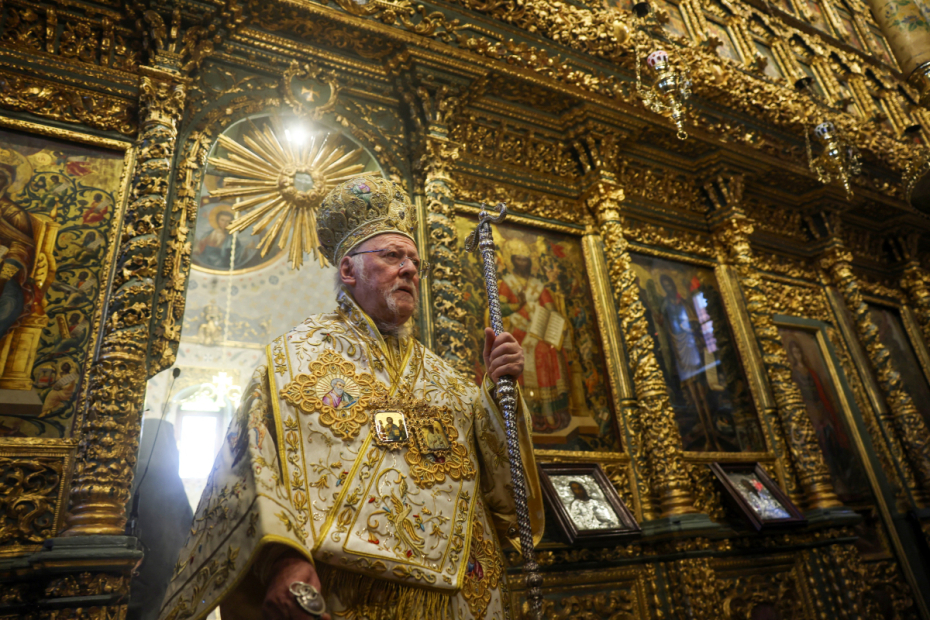
In Türkiye, the Ecumenical Patriarch (regarded as the spiritual leader of Orthodox Christians) presided over Easter Mass at the Patriarchal Church of St. George in Istanbul. The ceremony, held at the historic seat of the Ecumenical Patriarchate, drew clergy and faithful from around the world, underscoring Istanbul’s enduring role as a centre of Orthodox Christianity.
Gaza
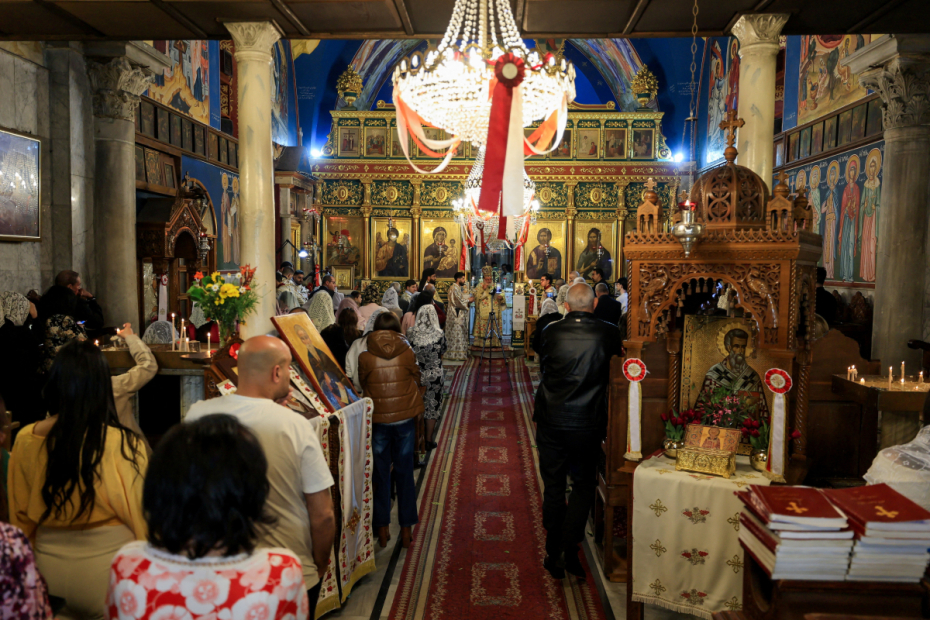
In Gaza City, Palestinian Christians gathered at the Greek Orthodox Church of Saint Porphyrius for Easter Mass, maintaining religious traditions despite ongoing instability in the region. For many, the service carried added emotional weight, reflecting both spiritual resilience and the challenges faced by one of the Middle East’s oldest Christian communities.
Bulgaria
In Bulgaria’s capital Sofia, thousands of worshippers assembled outside St. Alexander Nevsky Cathedral for the traditional Easter Vigil. At midnight, flames were passed from candle to candle, illuminating the square as bells rang out.
Greece
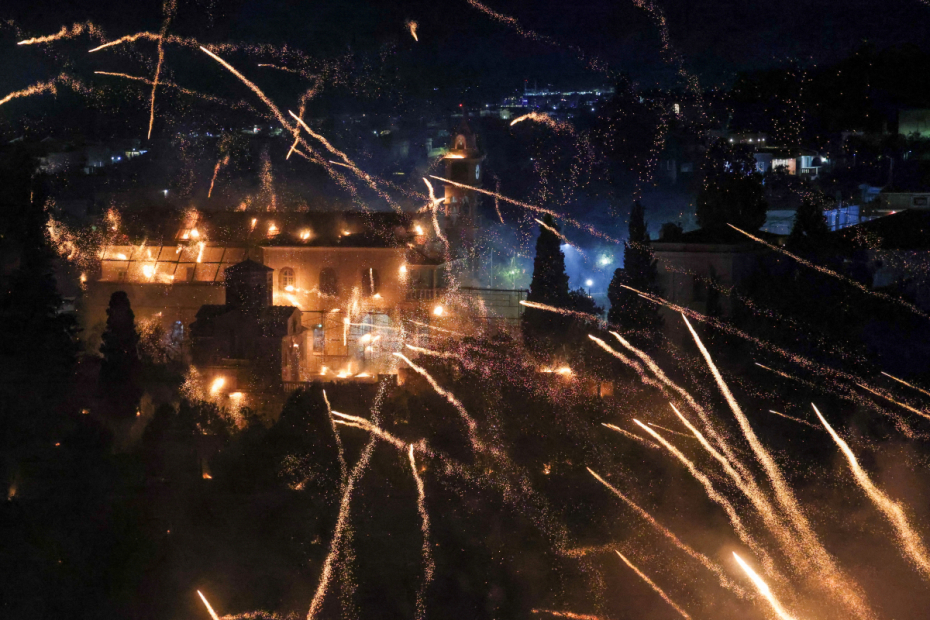
On the Greek island of Chios, the village of Vrontados hosted its famous “rocket war”, a dramatic Easter tradition in which handmade rockets are launched between rival churches. The centuries-old custom transforms the night sky into a fiery display, blending religious celebration with local cultural identity.
Ukraine
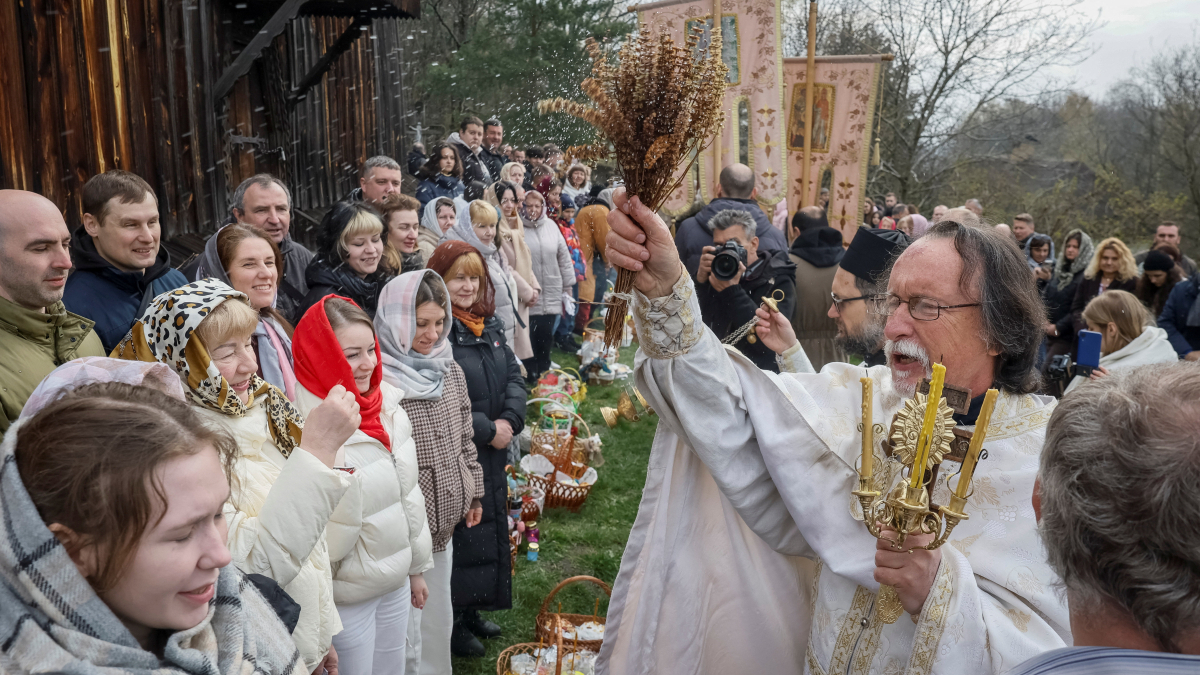
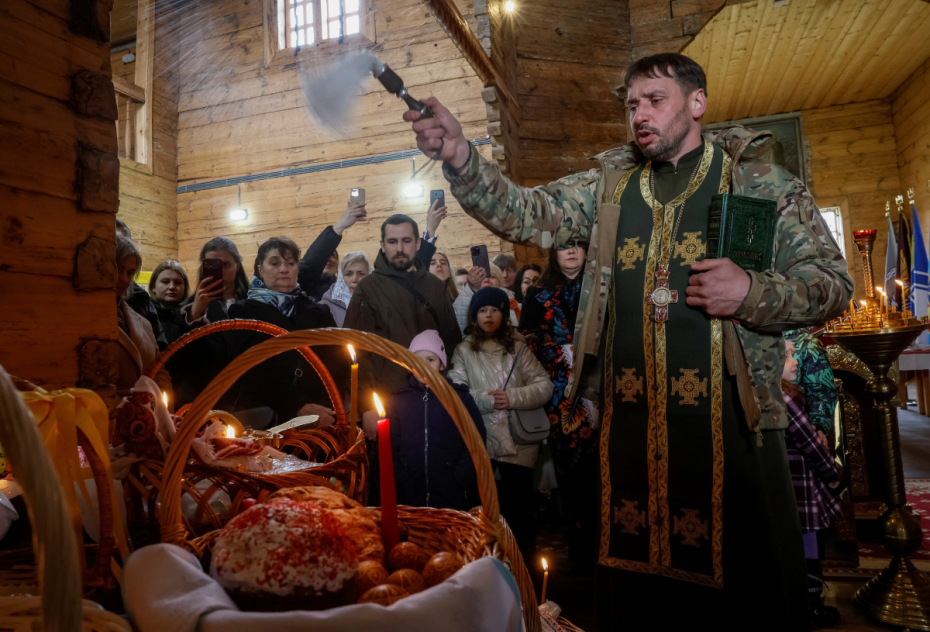
In Kyiv, a military chaplain blessed traditional Easter baskets, filled with bread, eggs and other foods, at the National Museum of Folk Architecture. Despite the ongoing war and suspension of public holidays under martial law, many Ukrainians continued to observe Easter privately.
Russia
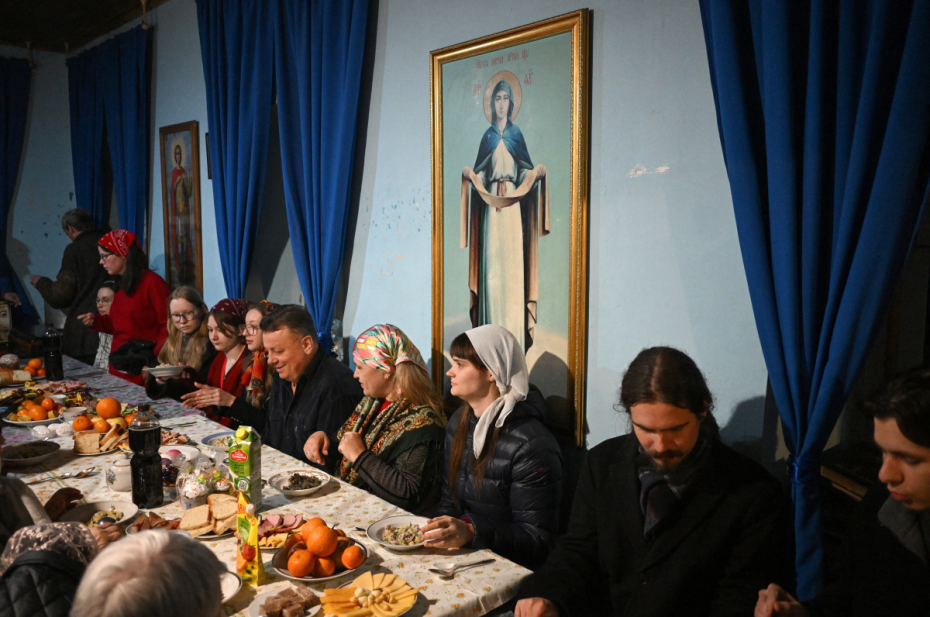
In Russia’s Omsk region, Orthodox believers gathered at monasteries such as Pokrovsky to mark the holiday with communal meals and religious services. As elsewhere, the celebrations centred on liturgy, family gatherings and traditional foods following the Lenten fast.
Despite regional differences, from candlelit vigils in Eastern Europe to rocket-lit skies in Greece, Orthodox Easter celebrations share a common message of renewal, hope and spiritual unity.














What is your opinion on this topic?
Leave the first comment