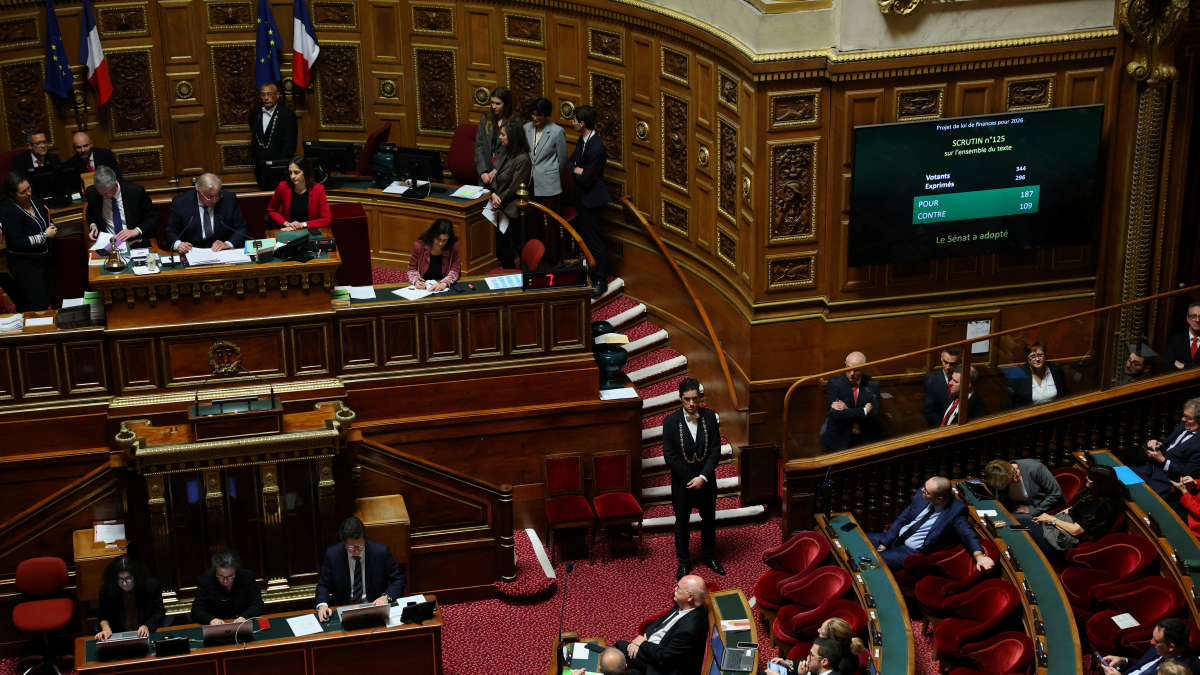
The French Senate has approved a proposal to limit social media access for children under 15, as concerns grow over online harms.
Lawmakers in France voted in favour of measures aimed at strengthening protections for minors, including requiring parental consent before younger teenagers can create accounts on major platforms. The move reflects mounting political pressure to address issues such as cyberbullying, exposure to harmful content and excessive screen time.
The proposed legislation would place new obligations on social media companies to verify users’ ages more effectively and ensure that safeguards are in place for underage users. Platforms that fail to comply could face penalties, although the precise enforcement mechanisms are still under discussion.
Effects on mental health
Supporters of the plan argue that current systems do not adequately protect children and that stronger regulation is needed to keep pace with the rapid growth of digital platforms. They point to rising evidence linking heavy social media use with mental health challenges among young people.
Critics, however, have raised concerns about privacy and the practical challenges of enforcing age verification without collecting sensitive personal data. Some also question whether restrictions alone will be effective without broader efforts to educate families and young users about online risks.
The move follows Australia, whose world-first ban for under-16s on platforms including Facebook, Snapchat, TikTok and YouTube came into force in December.
President Emmanuel Macron wants the law in place in time for the start of the next academic year, in September.
The proposal forms part of a wider European debate on regulating Big Tech and protecting minors online. Similar discussions are taking place across the region and in the U.S., where policymakers are also exploring stricter rules for digital platforms.
U.S. court cases
Last week a jury in Los Angeles found Meta and Alphabet's Google negligent for designing social media platforms that are harmful to young people and found them liable for damages in a case that could serve as a bellwether for others.
"The idea is to be able to require platforms to implement age verification that is reliable, robust, and protective of personal data," said French lawmaker Laure Miller, who drafted the bill.
"It's clear that young people have access to smartphones at increasingly younger ages," she said. "This has a significant impact on their development, both personally and cognitively," she added.
Legislation was already adopted in the lower house of parliament as a blanket ban, but senators amended the text at committee level, saying they want to block access only for platforms that are considered harmful for children. Others could be accessed with parental approval. The list of harmful social media would be defined later by decree.
The measure must still progress through further legislative stages before it can become law, but it signals a clear intent by French authorities to take a more assertive approach to child safety in the digital space.
French school pupil Louis Szponik, 15, disagrees with a social media ban. He admits apps like TikTok can lead to procrastination but feels that social media can also cultivate cohesion and expression.
"It's true that our generation is often caricatured like that, as the younger generation, always on our phones," he said. But social media can "have a positive side, which is being able to communicate with friends."




















What is your opinion on this topic?
Leave the first comment