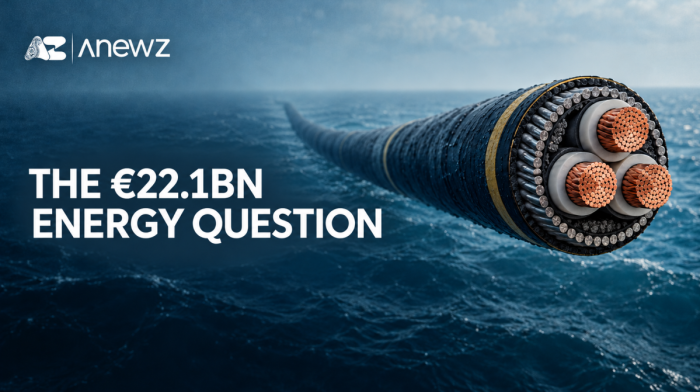
Azerbaijan’s €22bn electricity corridor faces its biggest test: who will pay?
The proposed Green Energy Corridor could carry renewable electricity from the Caspian to Europe. But a completed feasibility study is only the begi...
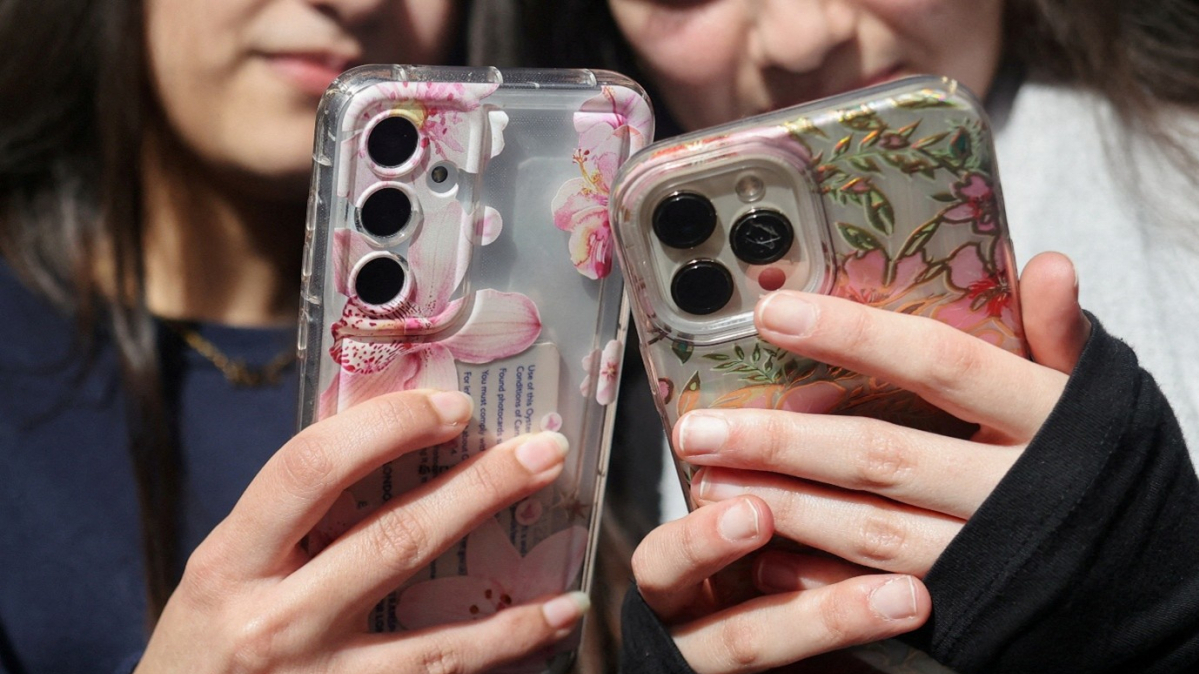
The UK government is to trial social media bans, curfews and app time limits in the homes of 300 teenagers, as part of a wider consultation on restricting under-16s’ access to platforms and improving online safety.
The six-week pilot will see families across the UK test different restrictions on teenagers’ social media use, including full bans, overnight curfews and daily limits.
Participants aged 12 to 15 will be split into four groups. One group will have social media apps completely disabled; another will be limited to one hour per day; and a third will be blocked from using apps between 21:00 and 07:00. A fourth group will act as a control and continue using social media as normal.
The government says the trial aims to measure the impact of these restrictions on young people’s sleep, schoolwork and family life, as well as identify any practical challenges, including whether teenagers can bypass controls.
Technology Secretary Liz Kendall said the initiative is about “testing different options in the real world”, adding that the findings will help to determine future policy.
The pilot runs alongside a national consultation on children’s digital wellbeing, which is exploring whether the UK should follow countries such as Australia in introducing a ban on social media for under-16s. The consultation has already received nearly 30,000 responses and is set to conclude on 26 May.
The proposals have gained political support, but not all experts agree. Some warn that bans could be easily bypassed or push children towards less regulated parts of the internet.
Others argue that responsibility should lie with technology companies to make platforms safer for young users, rather than restricting access altogether.
Children and parents taking part in the trial will be interviewed before and after the pilot, with data analysed by officials and academics to inform future decisions.
The government says the scheme will be supported by a separate large-scale scientific study involving around 4,000 students, aimed at better understanding how reduced social media use affects young people’s wellbeing.
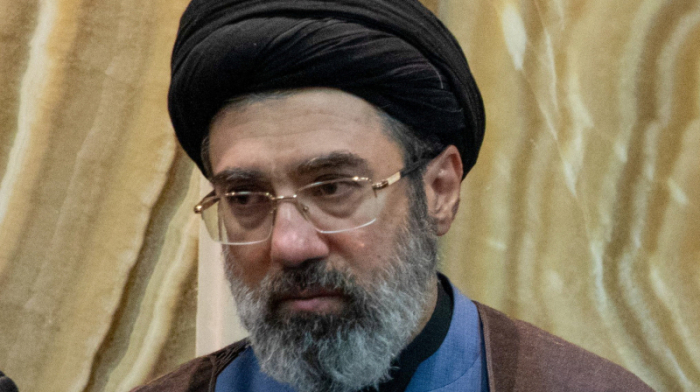
Iranian Supreme Leader Ayatollah Khamenei has ordered Iran's armed forces to respond to any threat immediately and without geographical limits in statements posted to social media platforms on Saturday (31 October).
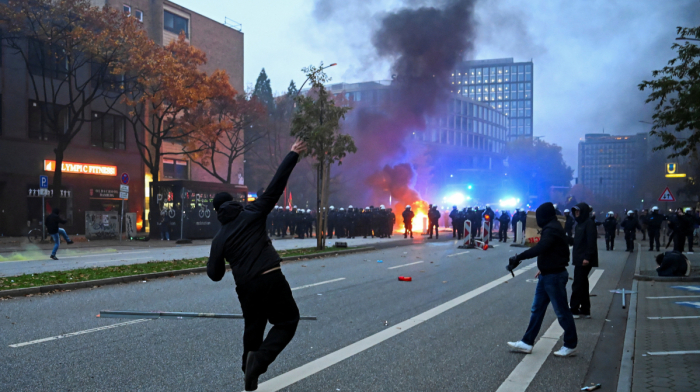
Gen Z protests swept 34 German cities on Saturday (31 October) over education and living costs. Violence erupted in Frankfurt, where shops were looted and police reported Molotov cocktail attacks.
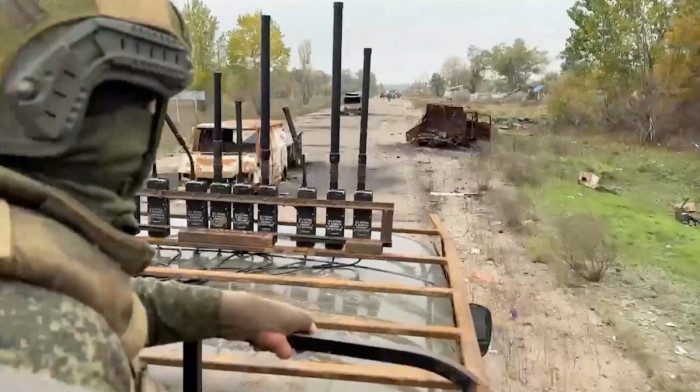
A six-day humanitarian ceasefire in the Russian-held Ukrainian town of Oleshky ended on Sunday, 1 November, after facilitating aid deliveries and civilian evacuations.
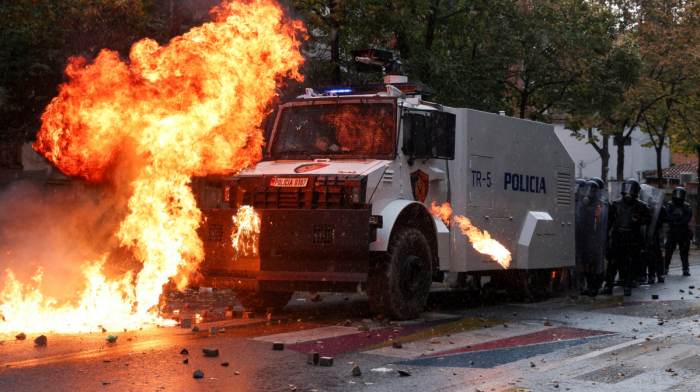
Thousands protested in Albania's capital, Tirana, on Saturday (31 October), demanding Prime Minister Edi Rama's resignation over perceived corruption allegations and dissatisfaction with the government over a lack of jobs and poor education standards.
Saudi Aramco's acquisition of a 49 per cent stake in artificial intelligence (AI) company HUMAIN is putting a spotlight on a wider investment question: why are some of the world's biggest energy companies moving deeper into AI, and what do they expect to gain?
ADIPEC 2026, the world's largest energy event, opened in the UAE capital on Monday, bringing governments and energy companies together at a time of heavy pressure on global supply.
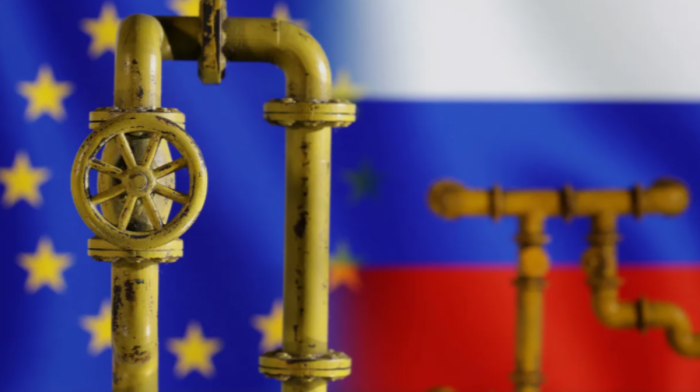
The U.S. administration has reportedly proposed restarting Russian gas supplies to Europe through Ukraine as part of efforts to secure an energy ceasefire ahead of winter.
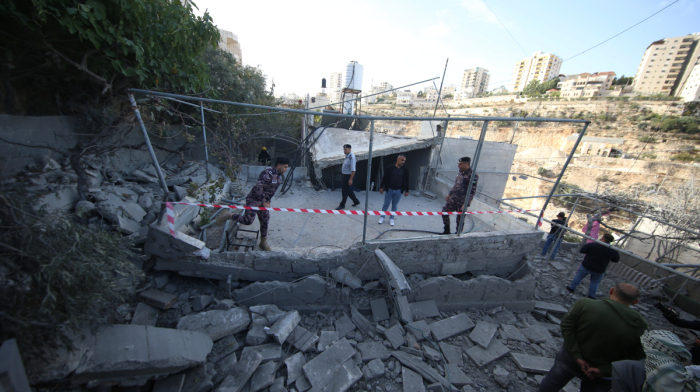
Israeli forces have withdrawn from the entire city of Hebron in the southern West Bank after a 10-day military operation that displaced thousands of Palestinians and left homes demolished, infrastructure damaged and businesses disrupted, according to the city's governor.
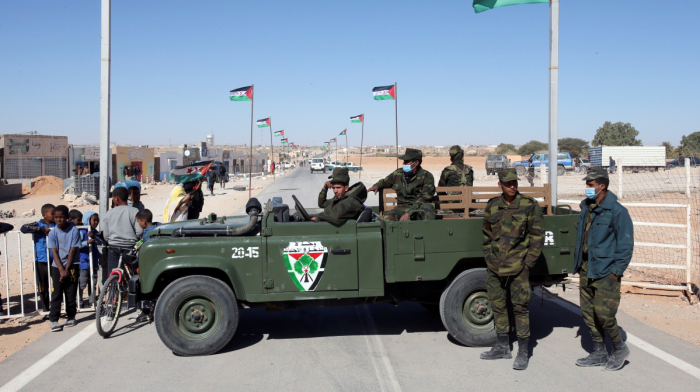
The United Nations is ending its 35-year peacekeeping mission in Western Sahara after the Security Council failed to agree on renewing its mandate, UN Secretary-General António Guterres announced on Sunday.
Kimi Antonelli became Formula One's youngest world champion at 20 years and 68 days old on Sunday when he finished third for Mercedes in a red-flagged and restarted Mexico City Grand Prix won by Red Bull's Max Verstappen.
You can download the AnewZ application from Play Store and the App Store.
What is your opinion on this topic?
Leave the first comment