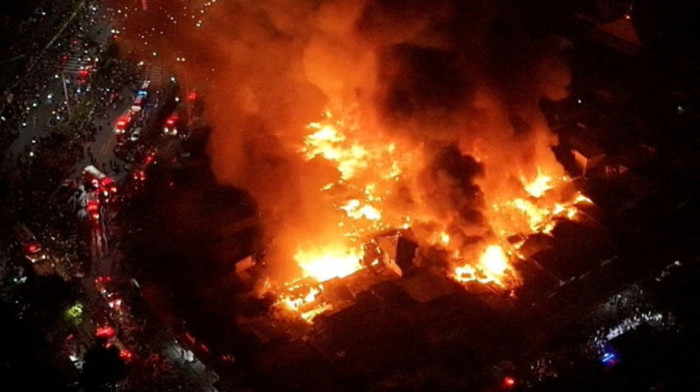
Large fire tears through Jakarta leaving hundreds displaced
Hundreds of people were left homeless after a massive fire in Indonesia's capital Jakarta affected more than 300 houses, according to state-run media ...
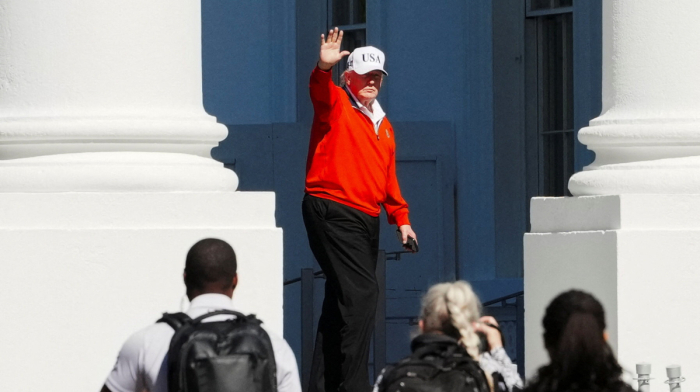
U.S. President Donald Trump on Tuesday (17 March) announced that he is postponing a highly anticipated trip to Beijing to meet Chinese President Xi Jinping, citing the war with Iran as the main disruption to efforts to ease tensions between the world’s two largest economies.
The visit, originally scheduled for 31 March to 2 April and set to be the first of Trump’s second term, has been delayed. Trump said the trip will now take place in approximately five to six weeks.
“We are resetting the meeting … We’re working with China. They were fine with it,” Trump told reporters in the Oval Office.
Beijing has not officially confirmed dates for the visit and does not normally publicise President Xi’s schedule far in advance.
The postponement adds uncertainty for markets and diplomacy alike. The war with Iran has driven oil prices higher, threatened shipping through the Strait of Hormuz and heightened investor focus on energy security.
The delay will also sideline discussions intended to ease trade frictions between Washington and Beijing, covering issues including Taiwan, tariffs, computer chips, illegal drugs, rare earth minerals and agriculture.
Early preparations included talks this week in Paris between U.S. Treasury Secretary Scott Bessent and Chinese Vice Premier He Lifeng, focusing on potential additional purchases of U.S. agricultural goods - including poultry, beef and non-soybean row crops - as well as on managing trade and investment flows.
“Head-of-state diplomacy plays an irreplaceable role in providing strategic guidance to China–U.S. relations,” said Lin Jian, a spokesperson for China’s Foreign Ministry.
Trump’s campaign in Iran has generated widespread military and economic consequences, consuming attention across his administration.
Iran has responded to joint U.S.–Israeli attacks by threatening vessels passing through the Strait of Hormuz, through which around one-fifth of the world’s oil supply passes each day.
Trump has called on multiple nations, including China, to help secure shipping, but Beijing has not responded directly.
U.S. rapper Kanye West, now known as Ye, performed to a crowd of 118,000 people in Istanbul on Saturday night, marking his first concert in Europe in more than a decade, despite being barred from performing in several countries over past antisemitic remarks.
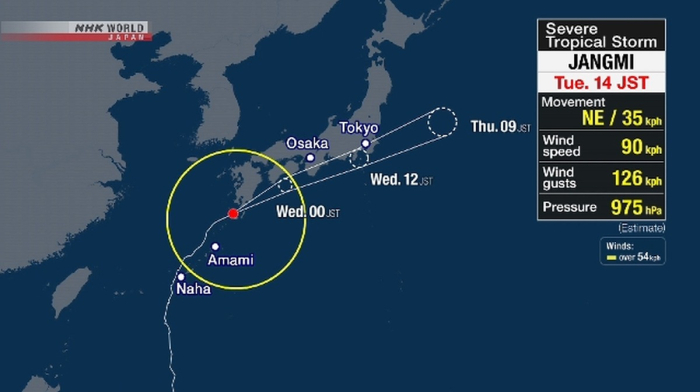
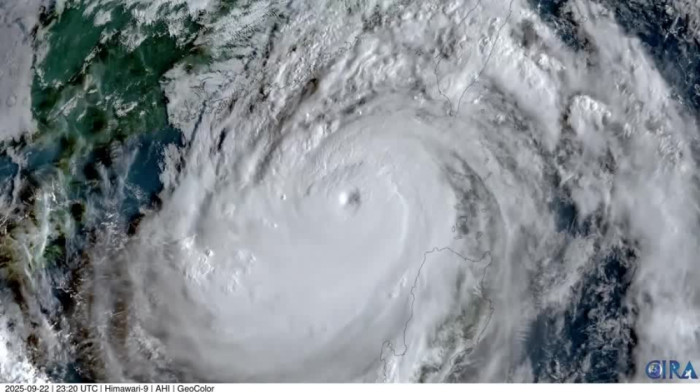
Okinawa lost transport links and suffered widespread power outages on Monday (1 June) as Severe Tropical Storm Jangmi brought destructive winds and heavy rain to Japan's south-western islands.
U.S. Secretary of State Marco Rubio has held talks with Lebanese President and Israeli Prime Minister on efforts to ease tensions between Israel and Lebanon. According to a U.S. official, Washington has proposed a plan aimed at achieving a gradual de-escalation of hostilities.
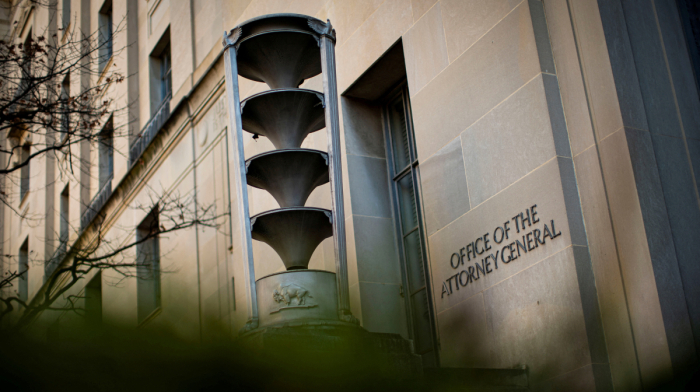
Unsealed records from the U.S. Department of Justice have renewed scrutiny of lawyer Robert Amsterdam after documents revealed communications between his law firm and Jeffrey Epstein's office. The disclosures have drawn attention because of Amsterdam's prominent role in Armenia.
The United States has moved to close a regulatory gap that may have allowed advanced AI chips to reach Chinese-linked firms overseas despite export restrictions.
Hundreds of people were left homeless after a massive fire in Indonesia's capital Jakarta affected more than 300 houses, according to state-run media on Tuesday.
Competing narratives continue to shape perceptions of the war in Ukraine, with Russian leadership suggesting a possible end phase while Ukrainian officials warn of renewed large-scale attacks and ongoing escalation risks.
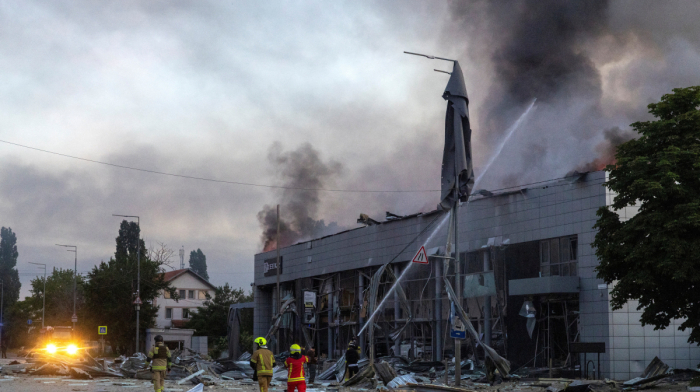
Russian drones and missiles pounded the Ukrainian capital Kyiv and other cities early on Tuesday, killing at least 11 people and wounding more than 100, authorities said, following days of warnings about Moscow's plans for a major assault.
Start your day informed with the AnewZ Morning Brief. Here are the top stories for the 2 June, covering the latest developments you need to know.
U.S. President Donald Trump said on Monday (1 June) that he held productive discussions with Israeli Prime Minister Benjamin Netanyahu and, through intermediaries, with the Iran-backed Hezbollah movement. He expressed optimism that a fragile ceasefire in Lebanon could hold despite hostilities.
You can download the AnewZ application from Play Store and the App Store.
What is your opinion on this topic?
Leave the first comment