Some of Iran's most highly enriched uranium, close to weapons grade, was stored in an underground area of its nuclear site in Isfahan, the UN nuclear watchdog said in a confidential report sent to member states on Friday (27 February).
The report was sent to members of the International Atomic Energy Agency ahead of a quarterly meeting next week of its 35-country board, amid nuclear talks between the United States and Iran.
"While the Agency acknowledged that the military attacks on Iran's nuclear facilities had created an unprecedented situation, it is critical for it to conduct verification activities in Iran without any further delay," the report seen by Reuters said.
Indispensable and urgent
Allowing inspections was "indispensable and urgent", it said. The report also said a successful outcome in the U.S.-Iranian negotiations would have a "positive impact on the effective implementation of safeguards in Iran and the resolution of issues described in this report".
The IAEA estimates that Iran had 440.9 kg of uranium enriched to up to 60% before last year's Israeli-U.S. attacks- enough, if enriched further, for 10 nuclear weapons, according to an IAEA yardstick.
The agency and Western powers believe the bulk of that is still intact. Washington wants Tehran to give it up.
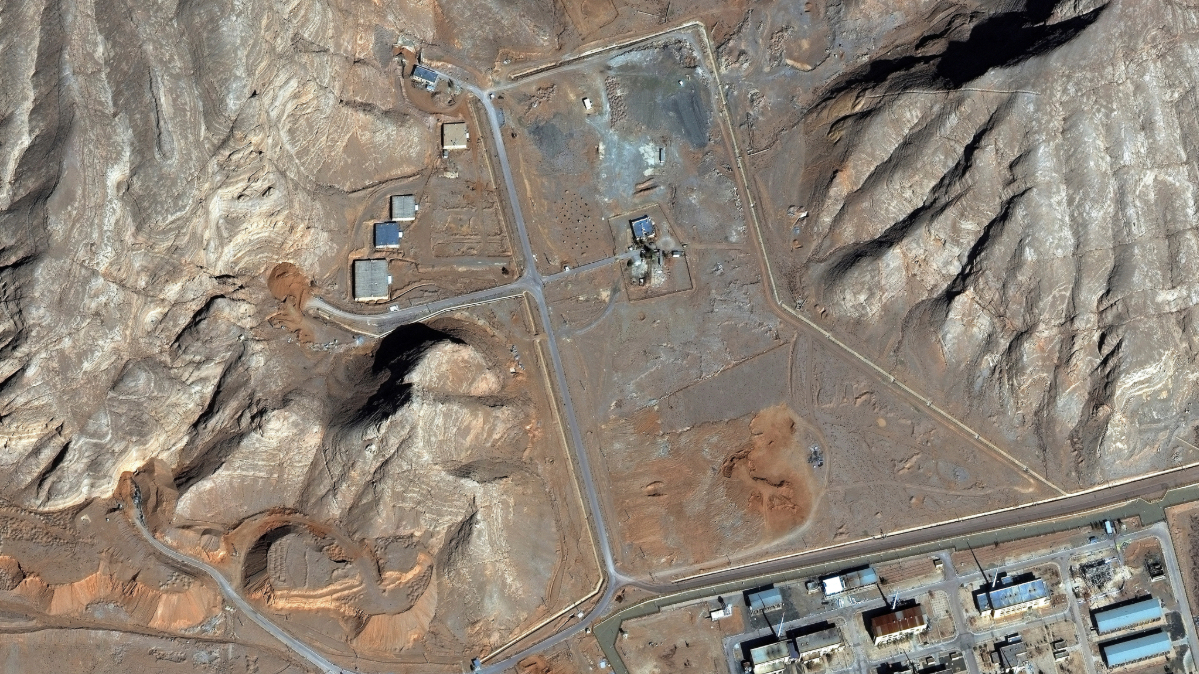
The report provided new details about activity at Isfahan, where diplomats have said much of the Islamic Republic's most highly enriched uranium has been stored in a tunnel complex that appears to have averted destruction last June.
For the first time, the report confirmed that material enriched to up to 20% and 60% had been kept there.
In satellite imagery, the IAEA had observed "regular vehicular activity around the entrance to the tunnel complex at Isfahan in which (uranium) enriched up to 20% and 60% U-235 ... was stored," it said.
The U.S.-Israeli attacks are believed to have destroyed or badly damaged the three uranium enrichment sites known to have been operating at the time.
Shortly before Israel launched its attack, Iran said it was setting up a fourth enrichment plant in Isfahan, though the IAEA still does not know its precise location or whether it is operational, the report said.
"It is a matter of increasing concern that Iran has never provided the Agency with access to its fourth declared enrichment facility since it was first declared by Iran in June last year," the report said.
British police are facing a national backlash over their handling of the fatal stabbing of 18-year-old student Henry Nowak, who was handcuffed while d...
International organisations, investors, environmental experts and business representatives gathered in Samarkand for the opening of Eco Expo Central A...
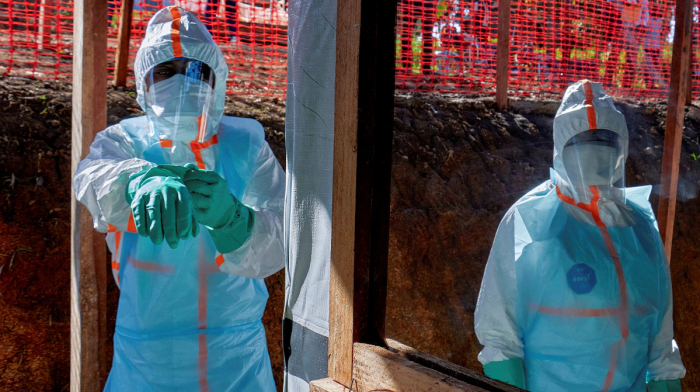
China is sending doctors, medical teams and emergency supplies to help combat a growing Ebola outbreak in Central Africa, joining an international eff...
Armenian Prime Minister Nikol Pashinyan has said Yerevan remains committed to normalising relations with Azerbaijan and Türkiye, expressing confidenc...
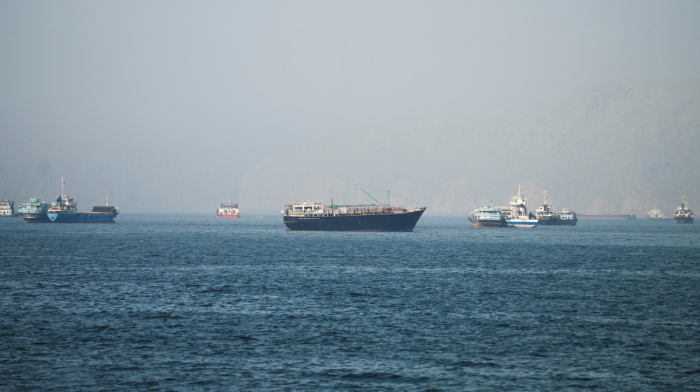
Iran’s Revolutionary Guards (IRGC) said they struck a cargo ship owned by the “American-Zionist enemy” with a cruise missile after an Iranian freighter was attacked in the Sea of Oman.
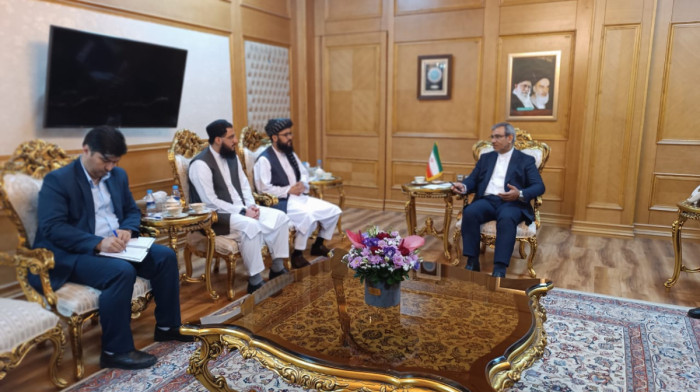
Afghanistan’s consul general in Mashhad and the governor of Iran’s Khorasan Razavi province have discussed expanding trade, improving border transit and accelerating the transfer of Afghan prisoners.
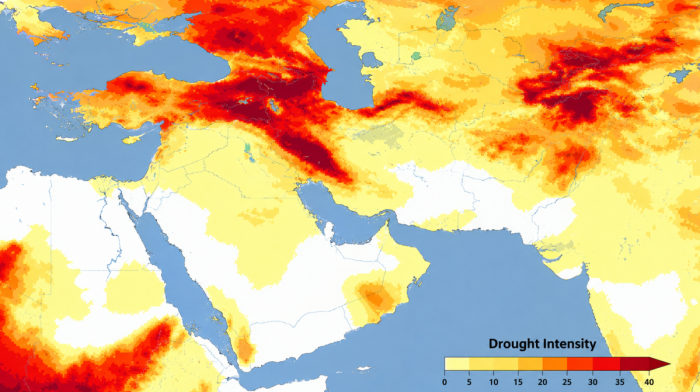
Central Asia is facing growing water stress after five consecutive years of drought, with rising temperatures, depleted soil moisture and shrinking groundwater reserves placing increasing pressure on the region, according to a new EU report.
Iran’s Revolutionary Guards (IRGC) said on Monday they targeted the source of an attack on a telecom facility on Sirik Island near the strategic Strait of Hormuz, Tasnim News Agency reported.
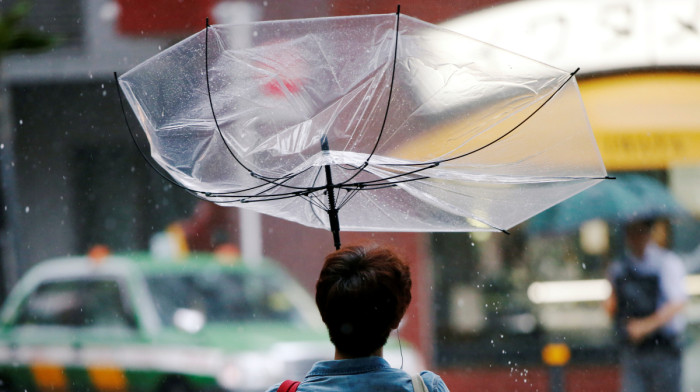
Okinawa lost transport links and suffered widespread power outages on Monday (1 June) as Severe Tropical Storm Jangmi brought destructive winds and heavy rain to Japan's south-western islands.
Competing narratives continue to shape perceptions of the war in Ukraine, with Russian leadership suggesting a possible end phase while Ukrainian officials warn of renewed large-scale attacks and ongoing escalation risks.
U.S. Secretary of State Marco Rubio has held talks with Lebanese President and Israeli Prime Minister on efforts to ease tensions between Israel and Lebanon. According to a U.S. official, Washington has proposed a plan aimed at achieving a gradual de-escalation of hostilities.
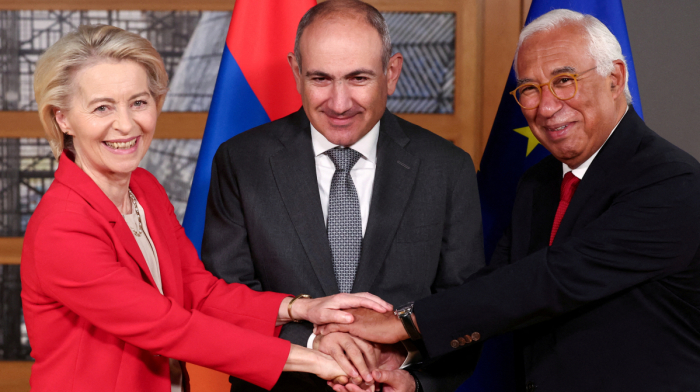
When Armenians vote on 7 June, they will be voting in an election shaped by months of political change and a rapidly deepening relationship with the European Union. The result may not only determine who governs Armenia but also the future direction of the country's geopolitical alignment.
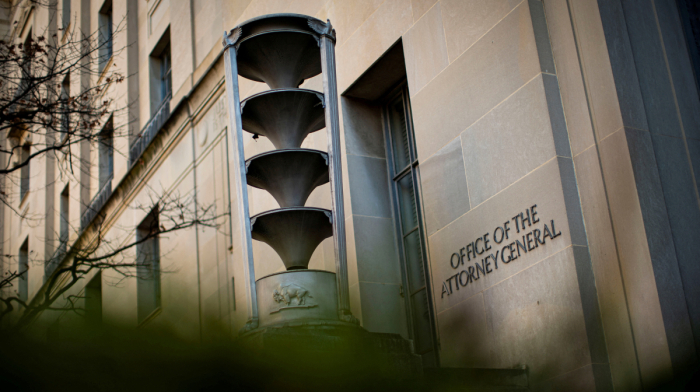
Unsealed records from the U.S. Department of Justice have renewed scrutiny of lawyer Robert Amsterdam after documents revealed communications between his law firm and Jeffrey Epstein's office. The disclosures have drawn attention because of Amsterdam's prominent role in Armenia.
British police are facing a national backlash over their handling of the fatal stabbing of 18-year-old student Henry Nowak, who was handcuffed while dying from stab wounds after his attacker falsely claimed to be the victim of a racist assault.
China is sending doctors, medical teams and emergency supplies to help combat a growing Ebola outbreak in Central Africa, joining an international effort to contain the disease before it spreads further.
Iran’s Revolutionary Guards (IRGC) said they struck a cargo ship owned by the “American-Zionist enemy” with a cruise missile after an Iranian freighter was attacked in the Sea of Oman.
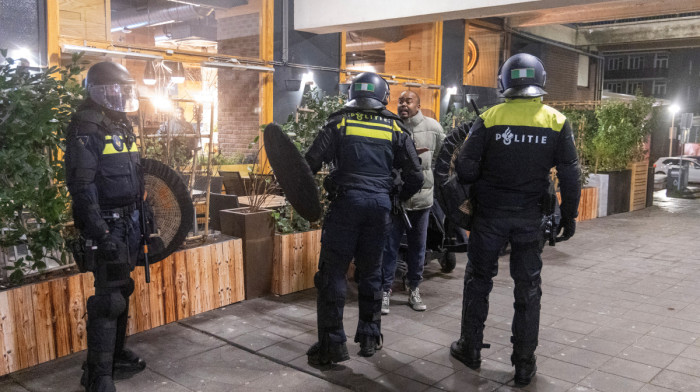
Dutch police have launched an investigation into the use of force against a pregnant woman at an asylum seekers' centre in Zeist after videos of the incident circulated widely on social media.
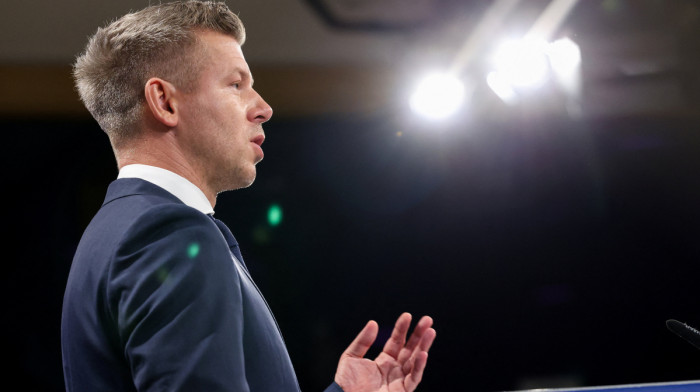
Hungarian Prime Minister Péter Magyar said on Monday that his government would begin legal proceedings to remove President Tamás Sulyok if he continues to reject calls to resign.











What is your opinion on this topic?
Leave the first comment