Trump says additional talks with Iran expected on Friday
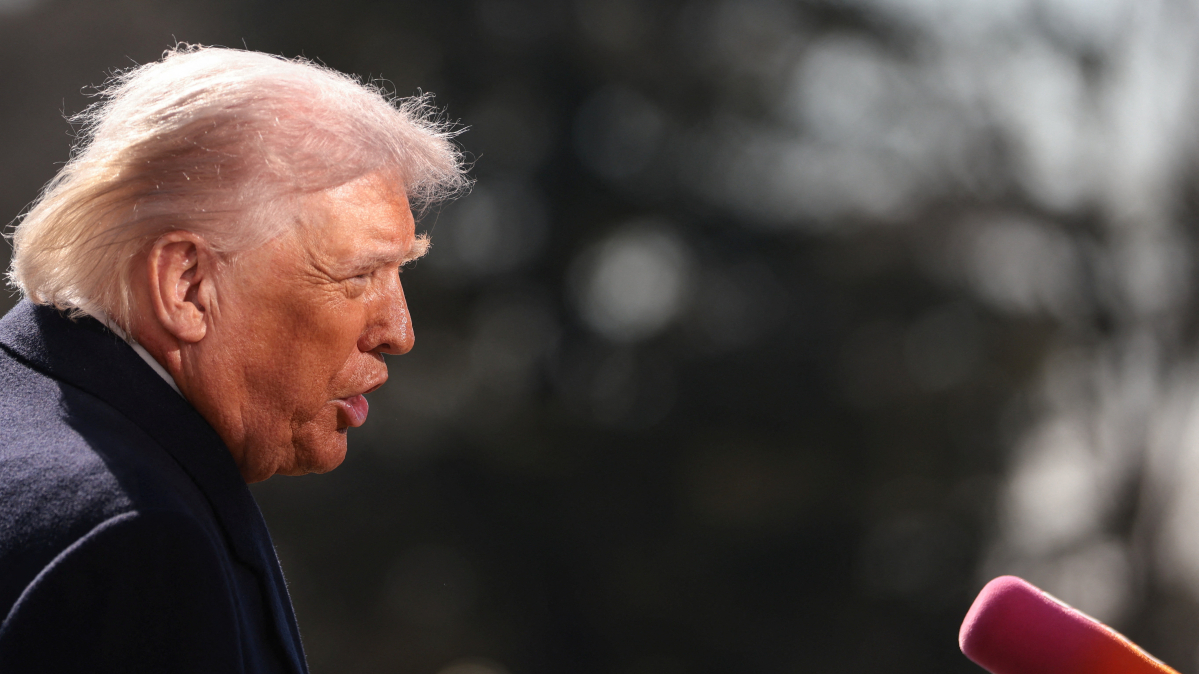
U.S. President Donald Trump speaks to the press, as he departs from the White House ahead of his trip to Corpus Christi, Texas, in Washington, D.C., U.S., 27 February, 2026.
Tensions between the U.S. and Iran are escalating, with Washington ordering a significant military build-up in the region and multiple countries evacuating diplomatic staff amid fears of further instability.
U.S. President Donald Trump said additional talks with Iran are expected later on Friday.
"I'm not happy with the fact that they're not willing to give us what we have to have. I'm not thrilled with that. We'll see what happens. We're talking later. We will have some additional talks today," Trump told reporters before leaving for a trip to Texas.
Asked about the potential for use of force, Trump said the United States has the greatest military in the world.
"I'd love not to use it but sometimes you have to," he said.
His remarks followed the conclusion of the third round of indirect negotiations between U.S. and Iranian delegations in Geneva, Switzerland.
Meanwhile, U.S. Secretary of State Marco Rubio is scheduled to visit Israel early next week, according to the State Department. He will meet Israeli officials on Monday and Tuesday to discuss a range of regional priorities, including Iran, Lebanon, and ongoing efforts to implement Trump’s 20-Point Peace Plan for Gaza.
The announcement comes after the U.S. Embassy in Jerusalem placed non-essential personnel and their families on “authorised departure” status, allowing voluntary leave at government expense. U.S. Ambassador Mike Huckabee advised staff to prioritise securing commercial flights out of Israel before travelling onwards to Washington.
In parallel, U.S. Vice President JD Vance is meeting Oman’s Foreign Minister, Badr al-Busaidi, in Washington. Oman has been mediating the indirect talks between Washington and Tehran. Al-Busaidi noted progress had been made, though neither Iran nor the U.S. provided details. Iran’s Foreign Minister, Abbas Araghchi, stated that “what needs to happen has been clearly spelled out from our side,” without elaborating.
A confidential report by the International Atomic Energy Agency circulated to member states indicates that Iran has not granted the UN nuclear watchdog access to facilities affected by the 12-day war in June.
As a result, the agency cannot confirm whether Iran has halted uranium enrichment or accurately assess the size of its stockpile.
The Israeli army confirmed it is “closely monitoring the situation in Iran” and is prepared “to defend” the country. Spokesperson Effy Defrin acknowledged the public’s unease, stating, “The army is alert and ready to defend you. There is no change in guidelines, and if any changes occur, the public would be informed accordingly.”
Recent media reports in Israel suggested that Washington could strike Tehran, though no official U.S. military decision has been announced.
The U.S. has strengthened its regional presence, including the deployment of the aircraft carrier USS Gerald R. Ford off Israel’s coast and around 20 refuelling aircraft. These include four KC-46A Pegasus planes positioned at Ben Gurion Airport. Officials say the deployments are part of contingency planning amid the risk of military escalation.
Tehran has accused Washington and Israel of fabricating pretexts for intervention and warned of retaliation against any attack, insisting that sanctions relief must accompany nuclear restrictions.
Despite Trump’s claim that Iran will soon have missiles capable of hitting the U.S., multiple intelligence sources say there is no evidence to support this, and Iran may take until 2035 to develop a “militarily viable intercontinental ballistic missile.”
Diplomatic evacuations widen
As tensions grow, several countries are evacuating diplomatic staff and advising citizens to avoid parts of the Middle East.
Three flights from İstanbul to Tehran were cancelled on Friday (27 February), including Turkish Airlines, ATA Airlines, and Qeshm Air, according to Istanbul Airport data. No immediate reason was given for the cancellations, and Turkish Airlines could not be reached for comment.
The U.S. has withdrawn non-essential staff and eligible family members from its embassy in Lebanon and authorised similar departures in Israel.
The embassy may further restrict travel to certain areas in Israel, including Jerusalem’s Old City and the West Bank, and advised U.S. citizens to leave while commercial flights remain available.
Europe
Serbia and Poland instructed their citizens in Iran to leave immediately, while Sweden set a deadline for departure.
The UK has temporarily withdrawn its diplomatic staff from Iran due to the security situation, while continuing to advise its citizens against all travel to the country, the Foreign, Commonwealth and Development Office (FCDO) said Friday.
British officials, in a statement, said the embassy in Tehran will continue operating remotely following the move, which comes amid heightened regional tensions.
The FCDO "advises against all travel to Iran," warning that British nationals already in the country should "carefully consider" the risks of remaining there.
Asia
China on Friday urged its citizens in Iran to leave the country and issued an advisory against travel as tensions with the U.S. continued to rise amid a military buildup in the Persian Gulf.
"In view of the current security situation in Iran, China's Ministry of Foreign Affairs and the Chinese Embassy and Consulates in Iran remind Chinese nationals to refrain from travelling to Iran," China's Consular Department said through Chinese social media company WeChat.
It added that Chinese nationals "already in Iran should heighten security precautions and leave as soon as possible," according to the Beijing-based daily Global Times.
Australia
Australia has advised dependents of its diplomatic staff in Israel and Lebanon to depart due to what it described as a deteriorating regional security environment.
Canberra has also offered voluntary departures for dependents in the United Arab Emirates, Jordan and Qatar, and urged Australians in Israel and Lebanon to consider leaving while flights are still operating.
While embassies remain operational in many locations, officials have emphasised that contingency planning is under way and that travel guidance could tighten further if tensions continue to rise.
British police are facing a national backlash over their handling of the fatal stabbing of 18-year-old student Henry Nowak, who was handcuffed while d...
International organisations, investors, environmental experts and business representatives gathered in Samarkand for the opening of Eco Expo Central A...
China is sending doctors, medical teams and emergency supplies to help combat a growing Ebola outbreak in Central Africa, joining an international eff...
Armenian Prime Minister Nikol Pashinyan has said Yerevan remains committed to normalising relations with Azerbaijan and Türkiye, expressing confidenc...
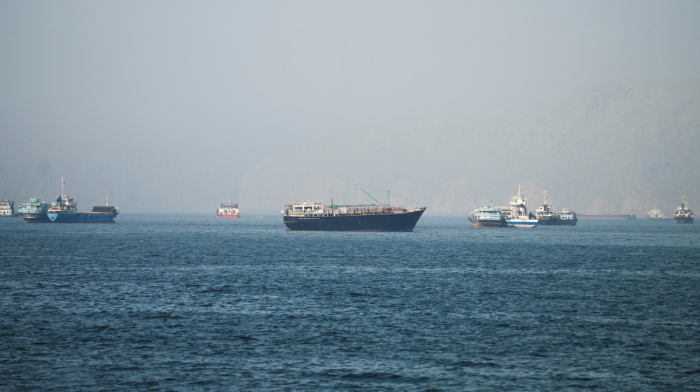
Iran’s Revolutionary Guards (IRGC) said they struck a cargo ship owned by the “American-Zionist enemy” with a cruise missile after an Iranian freighter was attacked in the Sea of Oman.
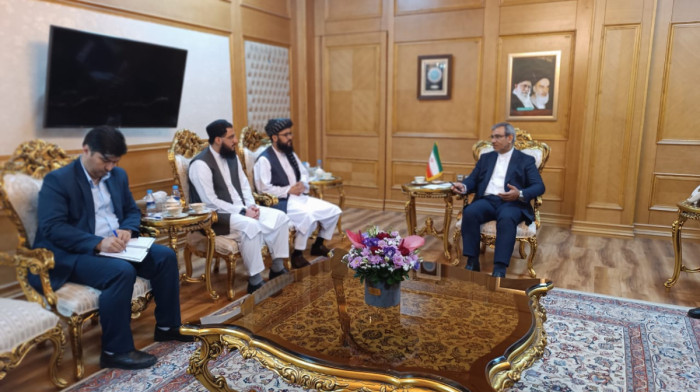
Afghanistan’s consul general in Mashhad and the governor of Iran’s Khorasan Razavi province have discussed expanding trade, improving border transit and accelerating the transfer of Afghan prisoners.
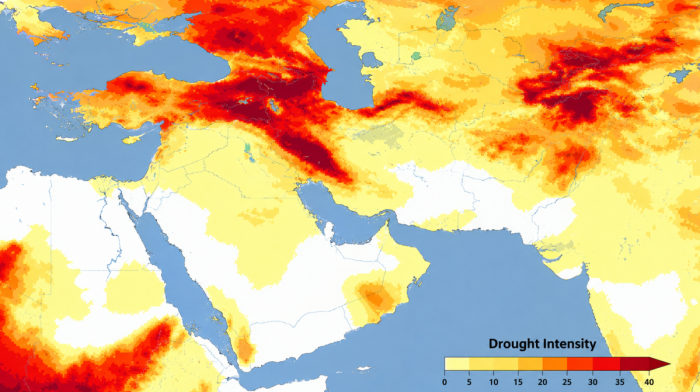
Central Asia is facing growing water stress after five consecutive years of drought, with rising temperatures, depleted soil moisture and shrinking groundwater reserves placing increasing pressure on the region, according to a new EU report.
Iran’s Revolutionary Guards (IRGC) said on Monday they targeted the source of an attack on a telecom facility on Sirik Island near the strategic Strait of Hormuz, Tasnim News Agency reported.
Okinawa lost transport links and suffered widespread power outages on Monday (1 June) as Severe Tropical Storm Jangmi brought destructive winds and heavy rain to Japan's south-western islands.
Competing narratives continue to shape perceptions of the war in Ukraine, with Russian leadership suggesting a possible end phase while Ukrainian officials warn of renewed large-scale attacks and ongoing escalation risks.
U.S. Secretary of State Marco Rubio has held talks with Lebanese President and Israeli Prime Minister on efforts to ease tensions between Israel and Lebanon. According to a U.S. official, Washington has proposed a plan aimed at achieving a gradual de-escalation of hostilities.
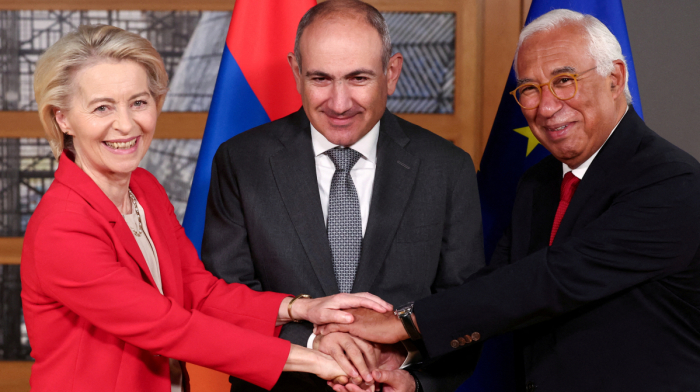
When Armenians vote on 7 June, they will be voting in an election shaped by months of political change and a rapidly deepening relationship with the European Union. The result may not only determine who governs Armenia but also the future direction of the country's geopolitical alignment.
Unsealed records from the U.S. Department of Justice have renewed scrutiny of lawyer Robert Amsterdam after documents revealed communications between his law firm and Jeffrey Epstein's office. The disclosures have drawn attention because of Amsterdam's prominent role in Armenia.
British police are facing a national backlash over their handling of the fatal stabbing of 18-year-old student Henry Nowak, who was handcuffed while dying from stab wounds after his attacker falsely claimed to be the victim of a racist assault.
China is sending doctors, medical teams and emergency supplies to help combat a growing Ebola outbreak in Central Africa, joining an international effort to contain the disease before it spreads further.
Iran’s Revolutionary Guards (IRGC) said they struck a cargo ship owned by the “American-Zionist enemy” with a cruise missile after an Iranian freighter was attacked in the Sea of Oman.
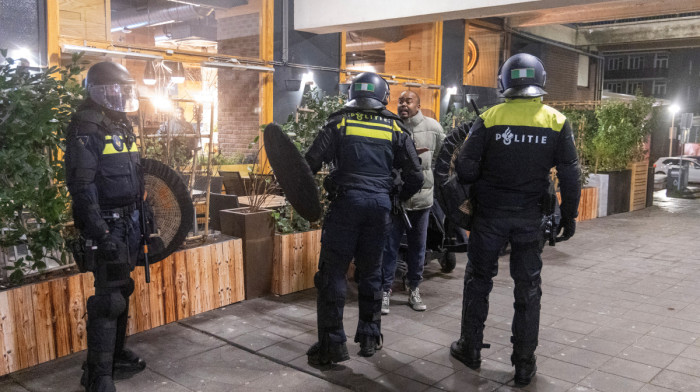
Dutch police have launched an investigation into the use of force against a pregnant woman at an asylum seekers' centre in Zeist after videos of the incident circulated widely on social media.
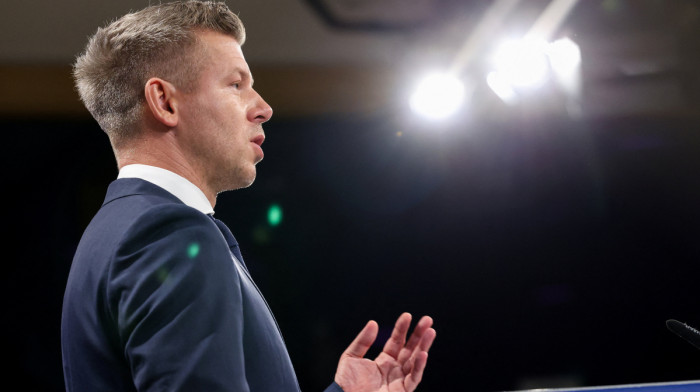
Hungarian Prime Minister Péter Magyar said on Monday that his government would begin legal proceedings to remove President Tamás Sulyok if he continues to reject calls to resign.











What is your opinion on this topic?
Leave the first comment