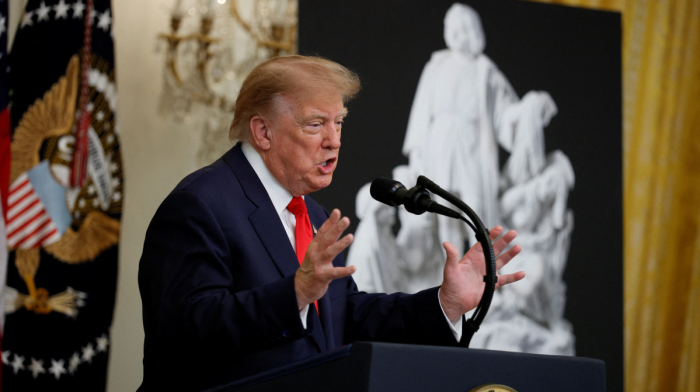
The Board of Peace will be "looking over the United Nations," said U.S. President Donald Trump at the inaugural Washington meeting, where representatives from over 20 countries gathered to unveil plans for Gaza’s reconstruction and coordinate international support.
Despite his past criticisms of the organisation, Trump said the U.S. would support the UN and “make sure” it remains “viable”, seeking to reassure countries concerned that the Board of Peace could replace or sideline the body. Some nations have expressed hesitation about immediately joining the initiative, citing fears that it might compete with or undermine the UN.
“We’re going to strengthen up the United Nations,” he said. “We’re going to make sure its facilities are good. They need help and they need help money-wise. We’re going to help them money-wise and we’re going to make sure the United Nations is viable.”
Relief package pledges
During his speech, Trump said that Kazakhstan, the United Arab Emirates, Morocco, Bahrain, Qatar, Saudi Arabia, Uzbekistan and Kuwait, “have all contributed more than $7 billion toward the relief package.”
“That’s great, thank you fellas,” he said, adding that “many more are contributing.”
Trump initially listed Azerbaijan as a participant to the $7 billion financial initiative.
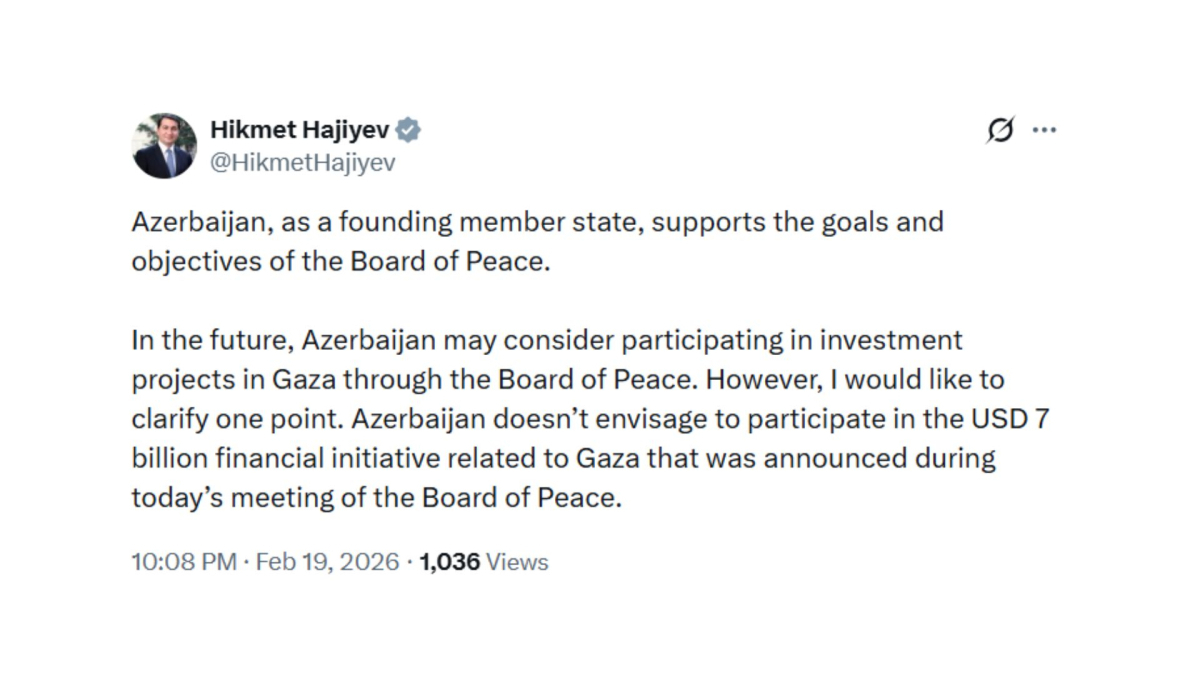
However, Assistant to the President of Azerbaijan, Hikmet Hajiyev, later confirmed, “Azerbaijan doesn’t envisage to participate in the USD 7 billion financial initiative related to Gaza that was announced during today’s meeting of the Board of Peace.”
Hikmet Hajiyev via X
The president said the U.S. would contribute $10bn to the Board of Peace.
“We’ve had great support for that number,” he said, noting that it is “a very small number when you look at that compared to the cost of war.”
He added that Indonesia, Morocco, Albania, Kosovo and Kazakhstan “have all committed troops and police to stabilise Gaza”, while Egypt and Jordan were “providing very, very substantial help” to create “a very trustworthy Palestinian police force.”
Qatar’s prime minister, Sheikh Mohammed bin Abdulrahman bin Jassim Al Thani announced that Qatar would contribute $1 billion to support the board’s mission. Qatar's pledge is aimed at reaching a final resolution that fulfils Palestinian aspirations for statehood and recognition, as well as Israel’s aspirations for security and integration, according to the Prime Minister.
Türkiye’s Foreign Minister Hakan Fidan also signalled Ankara’s readiness to deepen its involvement in Gaza, saying the country is prepared to contribute troops to the proposed international stabilisation force, assist in rehabilitating the health and education sectors and help train a new police force in the territory.
U.S. Ambassador to the United Nations Mike Waltz highlighted improvements in humanitarian conditions in Gaza.
He reported that 4,200 aid trucks had entered the territory each week for 13 consecutive weeks, severe hunger had dropped from around 30% of households to 1%, access to drinking water had doubled, and childhood malnutrition had been cut in half.
Ali Shaath, head of the Trump-appointed National Committee for the Administration of Gaza, outlined priorities for the territory, emphasising the restoration of security through the training and deployment of thousands of police officers. He underlined the need to create jobs for young people, ensure sustainable emergency relief, and restore basic services such as electricity, water, health and education.
U.S. Major General Jasper Jeffers detailed plans for the International Stabilization Force (ISF), which will initially deploy to the Rafah sector, with a long-term goal of 12,000 police and 20,000 soldiers.
Five countries - Indonesia, Morocco, Kazakhstan, Kosovo, and Albania - have committed troops, while Egypt and Jordan will train police. Indonesia has accepted the role of Deputy Commander for the ISF.
Liran Tancman, a cybersecurity entrepreneur, outlined plans to rebuild Gaza’s digital infrastructure and logistics networks. Mark Rowan, CEO of Apollo Global Management, projected that Gaza’s coastline alone could hold $50 billion in investment value, including the construction of 100,000 homes for approximately 500,000 residents.
“The potential here is tremendous, but it has to start somewhere,” Rowan said. He added that the long-term goal is to build more than 400,000 homes across Gaza.
U.S. Maj. Gen. Jasper Jeffers detailed security plans, saying the international stabilisation effort would first deploy to the Rafah sector. He said the force aims to build up to 12,000 police officers and 20,000 soldiers as part of its broader security strategy for Gaza.
World Bank President Ajay Banga said the organisation will act as a “limited trustee” for donor funds, managing contributions under the direction of the Board of Peace while providing financial oversight and de-risking private investment.
Nickolay Mladenov, director-general of the Gaza Board of Peace, announced the creation of an Office of the High Representative for Gaza to support the Palestinian technocratic committee and ensure civilian and administrative control in coordination with Israel and local institutions.
Jared Kushner, U.S. President Donald Trump’s senior adviser, unveiled plans for a “New Gaza” for the first time on 23 January at the World Economic Forum in Davos.
The White House invited 50 countries to join the Board of Peace. Twenty-six have signed on as founding members, while at least 14 have declined.
President Trump expressed optimism that others would join. “Almost everybody’s accepted, and the ones that haven’t will be,” Trump said. “Some are playing a little cute. Doesn’t work. You can’t play cute with me.”
The U.K., France, Norway, Sweden and Slovenia are among the countries that have declined to join, citing concerns that the board could sideline the United Nations.
U.S. President Donald Trump briefly mentioned talks with Iran during his remarks, describing them as “good talks”. Earlier this week, Iran’s foreign minister said the U.S. and Iran had reached an understanding on “guiding principles” for the nuclear discussions.
The talks come as the U.S. has increased its military presence in the region amid the possibility of strikes on Iran, following previous U.S. attacks on Iranian nuclear targets last year.
“Now we may have to take it a step further, or we may not,” Trump said, adding, “You’re going to be finding out over the next, probably, 10 days.”
He acknowledged the difficulty of negotiations with Iran, saying, “It’s proven to be, over the years, not easy to make a meaningful deal with Iran, and we have to make a meaningful deal. Otherwise bad things happen.”
Trump also underscored his role in brokering a peace agreement in Gaza and returning the bodies of Israeli hostages.
“The war in Gaza is over. It’s over,” he said, while acknowledging that “there are little flames” still lingering. He added that Hamas has promised to give up its weapons and warned that failure to do so would be “harshly met.”
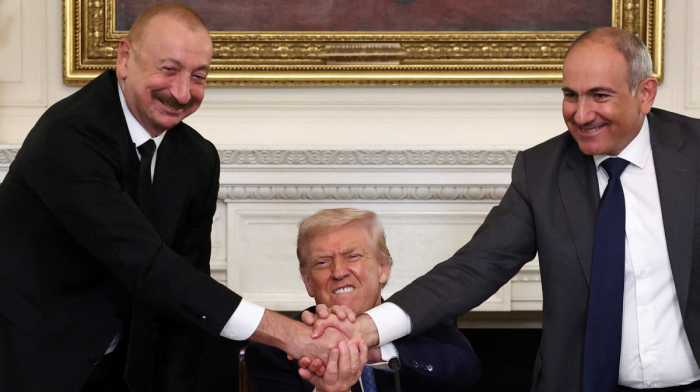
During his speech, Trump also highlighted his past work with foreign leaders to broker peace deals, including the leaders of Armenia and Azerbaijan.
“These are two tough cookies,” he said, referring to the leaders. “You think that was easy? It wasn’t easy. These are two tough people - good people - but tough people.”
He recounted an Oval Office meeting at which the leaders hugged and signed a deal, saying: “We made a deal, they hugged, they signed, and we had peace - two very important countries - and I’ll never forget it.”
In his speech, U.S. Secretary of State Marco Rubio characterised the Israel-Gaza conflict as “impossible” to resolve through existing international mechanisms, praising Trump’s approach for “thinking outside the box” and expressing hope that it could serve as a model for other complex crises.
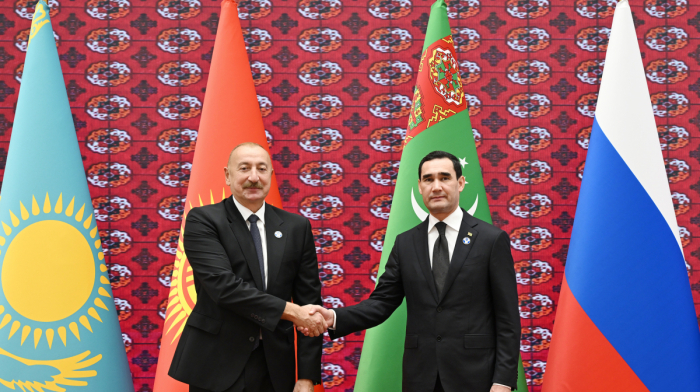
Leaders of countries from the Commonwealth of Independent States (CIS) have agreed to hold coordinated population censuses around 2030. They took the decision at the CIS Council of Heads of State meeting in Awaza, Turkmenistan on Friday, media reported.
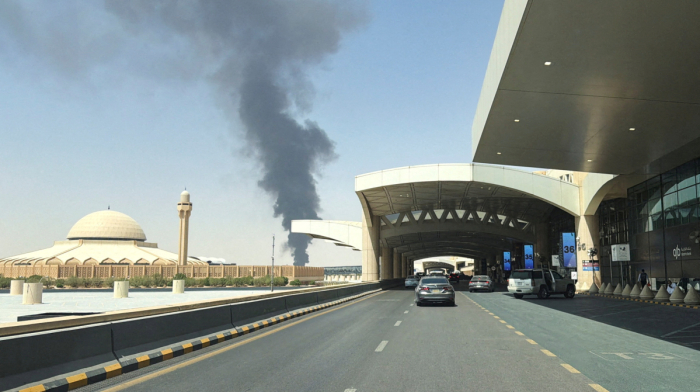
A powerful explosion has been reported at King Khalid International Airport in Riyadh on Saturday afternoon, killing 12 people and injuring hundreds. The airport is closed until further notice, according to Saudi Arabia's Civil Aviation Authority.
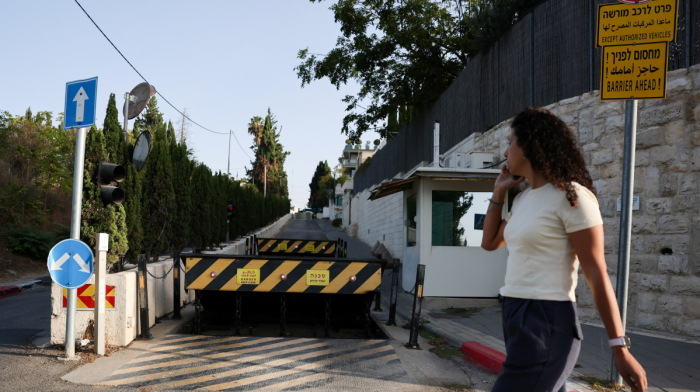
Britain and Israel have reached a temporary compromise over the future of the British Consulate General in East Jerusalem, easing a diplomatic dispute that had threatened to further strain relations between the two countries.
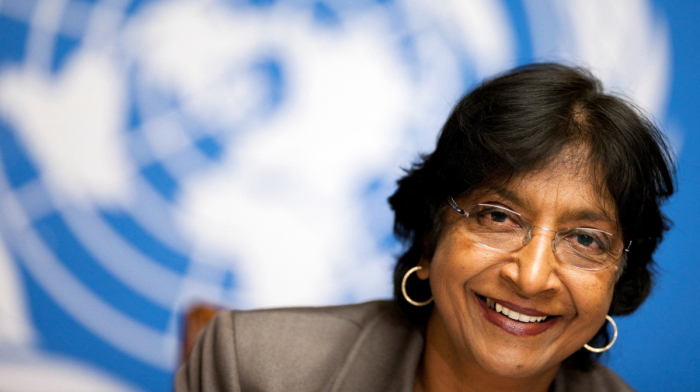
South African judge Navanethem “Navi” Pillay won the Nobel Peace Prize on Friday “for her efforts to promote peace and international law,” the Norwegian Nobel Committee said.
The U.S. has imposed sanctions on the International Criminal Court (ICC) on Friday (9 October) escalating tensions with European allies and potentially targeting companies that provide services to the tribunal. The move came hours after former ICC judge Navi Pillay won the Nobel Peace Prize.
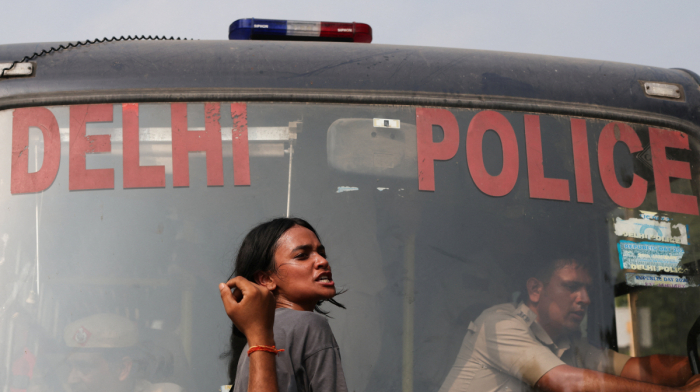
Indian police detained more than 2,000 protesters in Delhi on Saturday as authorities blocked a planned demonstration calling for the resignation of Chief Election Commissioner Gyanesh Kumar over disputed changes to voter lists.
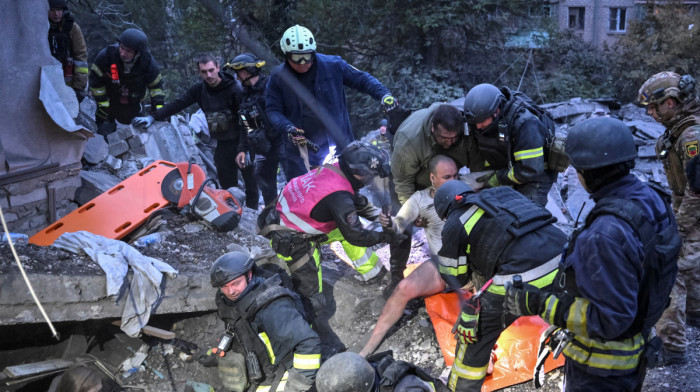
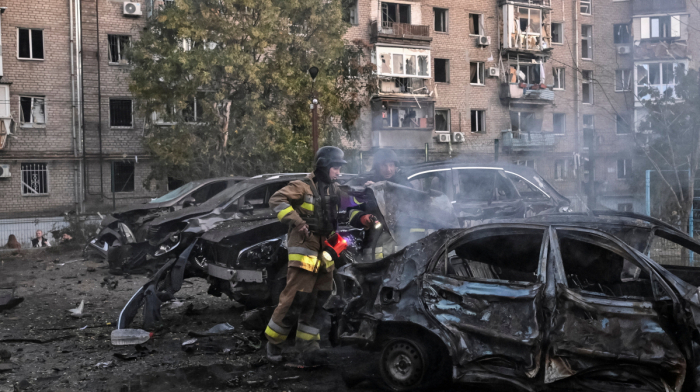
At least 12 people, including three children, have been killed in a Russian attack on the Ukrainian city of Zaporizhzhia, a day after U.S. President Donald Trump announced a deal to ease sanctions on Russian diesel.
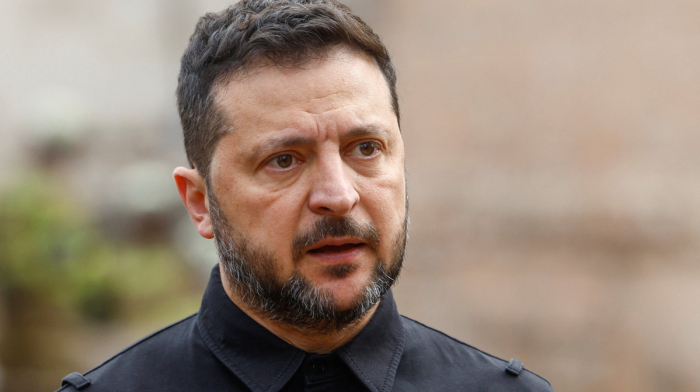
Ukrainian President Volodymyr Zelenskyy has criticised U.S. President Donald Trump’s decision to ease sanctions on Russian diesel exports, questioning why Moscow was granted an economic benefit without an apparent concession towards ending the war in Ukraine.
Russian President Vladimir Putin expressed surprise after Donald Trump mediated the Armenia-Azerbaijan peace agreement in 2025, the U.S. President said at a rally in New York state on Friday.
The United Nations has condemned a sharp rise in attacks on civilians in Ukraine, reporting that more than 100 people were killed and at least 429 injured in a single week as Russian strikes hit residential areas, passenger buses and critical infrastructure.
Download the AnewZ app
You can download the AnewZ application from Play Store and the App Store.










What is your opinion on this topic?
Leave the first comment