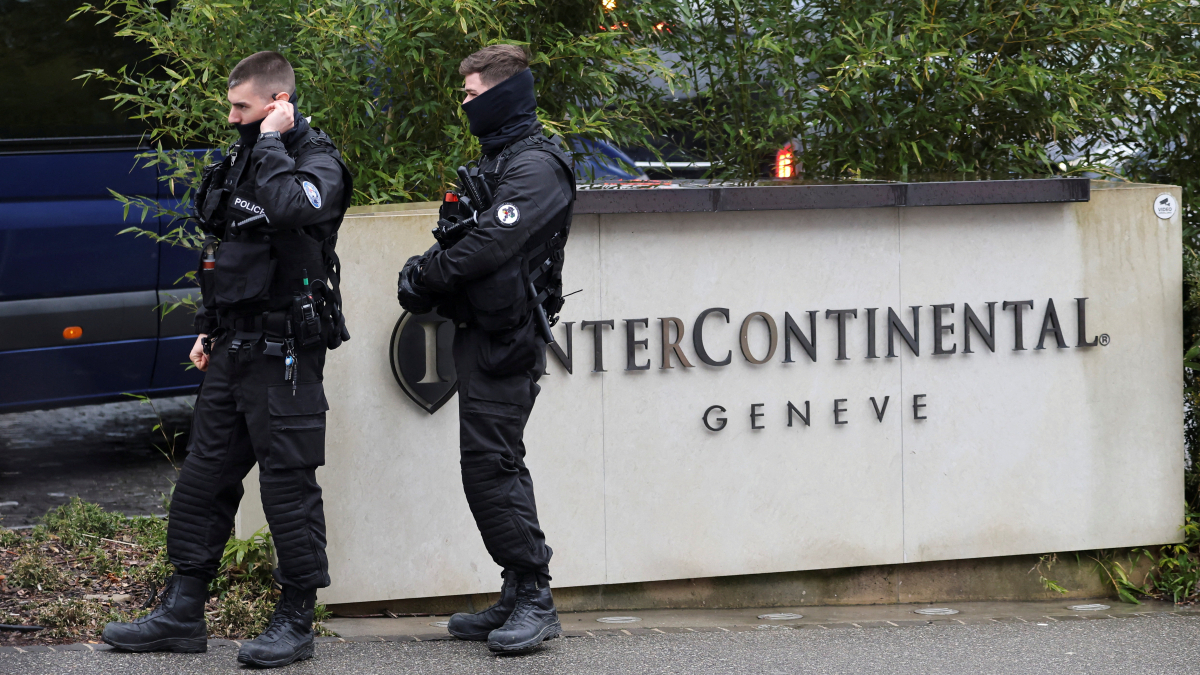
U.S.-mediated talks between Russia and Ukraine in Geneva ended after two days of negotiations that Ukrainian President Volodymyr Zelenskyy described as difficult, while signalling progress on the military track.
The second day of discussions concluded after roughly two hours, according to a Ukrainian official. Russian state news agency RIA reported shortly afterwards that the meeting had ended.
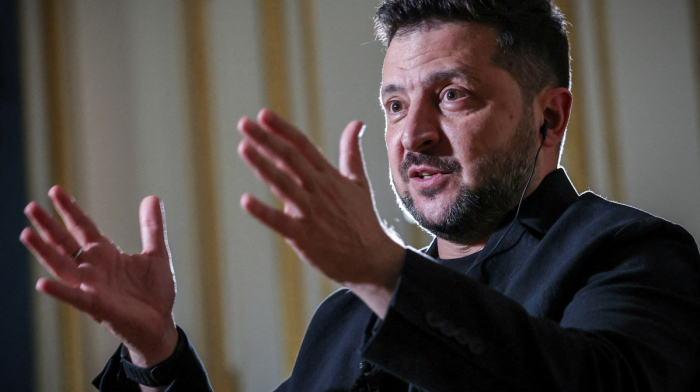
Speaking after receiving a briefing from the Ukrainian delegation, Zelenskyy said the negotiations were divided into two tracks, military and political. He described the military discussions as constructive and said progress had been achieved.
“The military understands how to monitor a ceasefire and the end of hostilities, if there is political will,” Zelenskyy said, adding that any monitoring mechanism would involve the American side. “I consider this a constructive signal.”
However, he said the political component remained more complex.
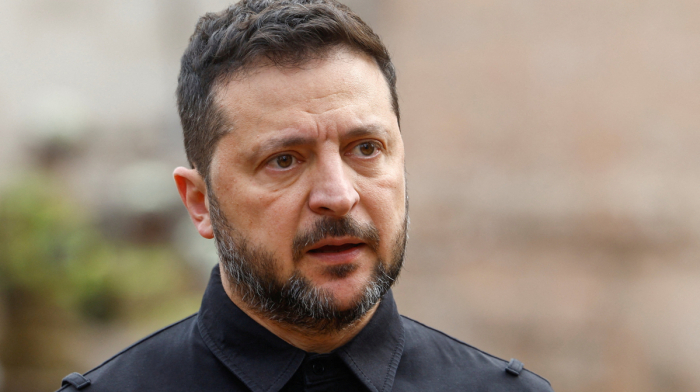
“These are sensitive issues, the East, the nuclear power plant and other delicate matters,” he said. “For now, the positions remain different, as the negotiations were not easy.”
In a statement published before the second day began, Zelenskyy accused Russia of attempting to prolong the process.
“We can state that Russia is trying to drag out negotiations that could already have reached the final stage. I thank the American side for its attention to detail and patience in conversations with the current representatives of Russia,” he wrote on X.
Moscow’s chief negotiator, Kremlin aide Vladimir Medinsky, described the talks as “difficult but business-like” and said further negotiations would be held soon, without specifying a date.
Kyiv cites progress but no breakthrough
Head of the Ukrainian delegation Rustem Umerov said the negotiations were substantive and confirmed that progress had been made, though he declined to provide details.
“There is progress but no details can be disclosed at this stage,” Umerov said, adding that some issues had been clarified while others remained under coordination.
He said Ukraine’s objective remains a “just and sustainable peace”.
Zelenskyy has confirmed that both sides had agreed to continue the talks despite remaining differences.
Limited expectations and tense atmosphere
The Geneva meeting followed two earlier rounds of U.S.-brokered talks in Abu Dhabi, which concluded without a major breakthrough, as the sides remained far apart on key issues, including territorial control in eastern Ukraine.
Russian news agencies cited a source describing earlier sessions as “very tense”, lasting several hours in different bilateral and trilateral formats.
Before the latest round began, Umerov had played down expectations of a major step forward, saying the Ukrainian delegation was working “without excessive expectations”.
The talks come days before the fourth anniversary of Russia’s full-scale invasion on 24 February 2022. Russia currently controls about 20 percent of Ukraine’s internationally-recognised territory, including Crimea and parts of the eastern Donbas region seized before and after the 2022 invasion.
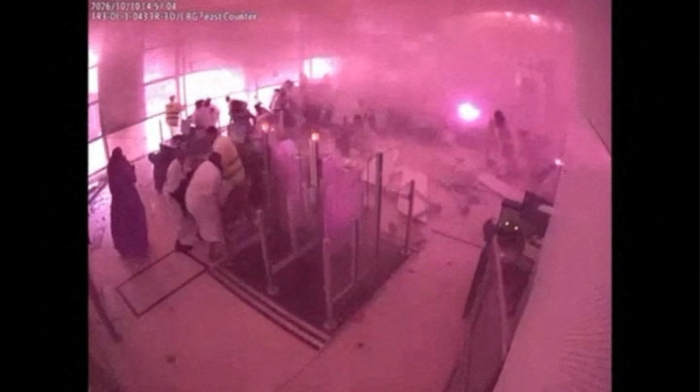
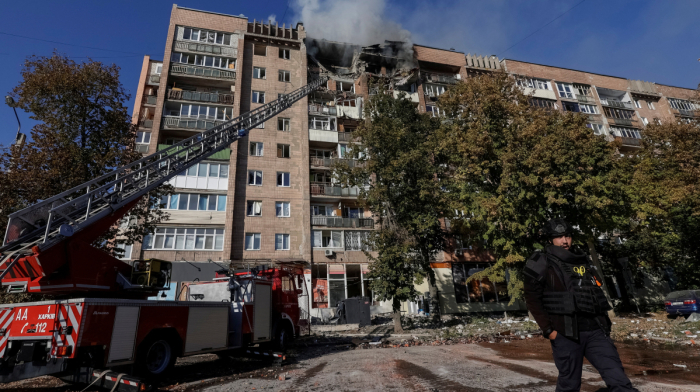
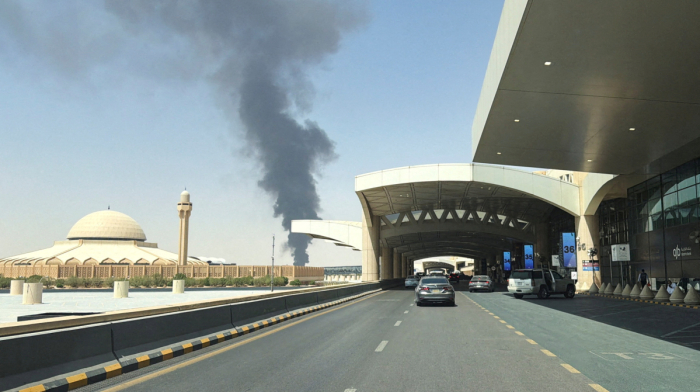
Military strikes have continued alongside diplomatic efforts.














What is your opinion on this topic?
Leave the first comment