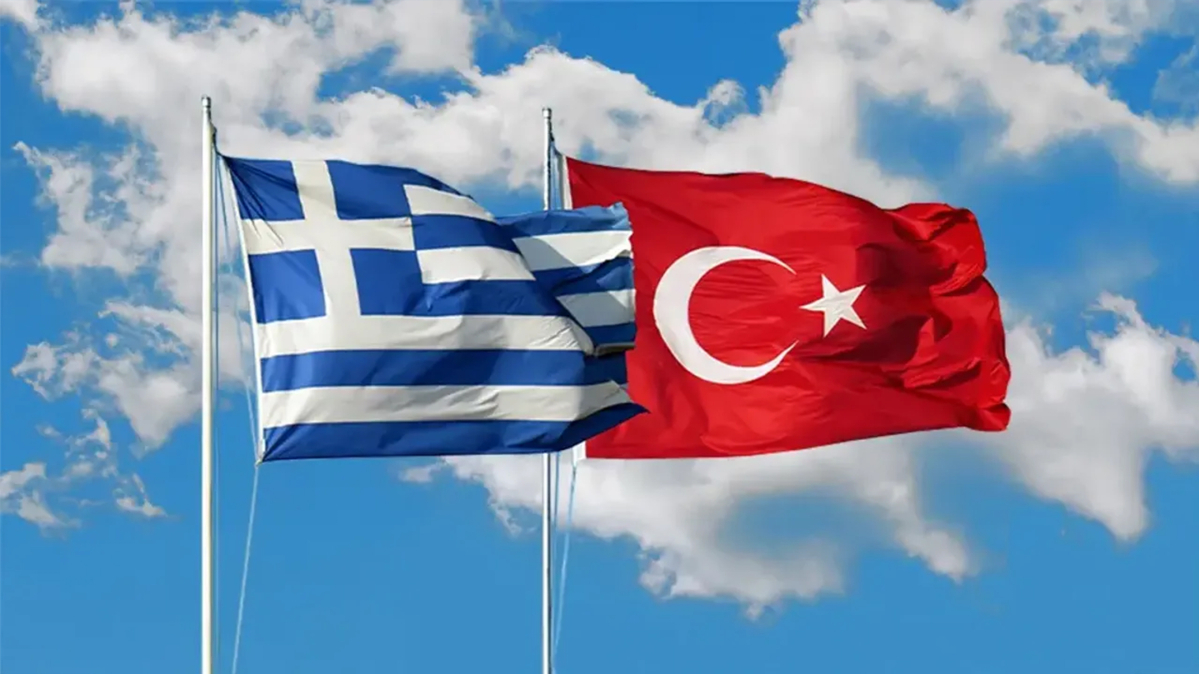
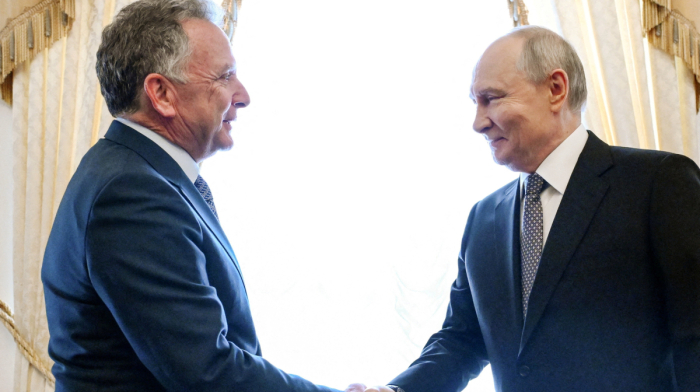
Greek Prime Minister Kyriakos Mitsotakis arrived in Ankara on Wednesday, where Turkish President Recep Tayyip Erdoğan held an official welcoming ceremony at the Presidential Palace, marking the start of high-level talks between the two NATO allies.
The visit includes the sixth meeting of the Türkiye-Greece High-Level Cooperation Council and is seen as a key moment in efforts to move bilateral ties beyond crisis management and towards what both sides describe as a ‘positive agenda’ centred on dialogue and confidence-building.
The visit includes the sixth meeting of the Türkiye-Greece High-Level Cooperation Council and is seen as a key moment in efforts to sustain a fragile thaw after decades of strained relations. Both sides say they aim to move bilateral ties beyond crisis management and toward what they describe as a ‘positive agenda’ centred on dialogue and confidence-building.
Why the visit matters
Relations between Greece and Türkiye have long included both tensions and dialogue, particularly on issues related to the Aegean, the Turkish Republic of Northern Cyprus, the Republic of Cyprus in the south, and the Eastern Mediterranean.
In recent years, sustained diplomatic engagement has helped improve communication and reduce tensions, creating space for broader cooperation.
High-level meetings are viewed by both Ankara and Athens as an important mechanism for reinforcing stability, supporting regional dialogue and contributing to wider European and transatlantic security at a time of evolving geopolitical dynamics.
Both sides have underlined the importance of maintaining open channels of communication and addressing differences through dialogue.
Issues under discussion
While dialogue has intensified, several long-standing issues remain part of the broader bilateral agenda. These include matters related to maritime areas, airspace and Cyprus.
Since July 1974, the island has been divided between a Greek Cypriot south, which is a member of the European Union, and a Turkish Cypriot north. A United Nations-patrolled buffer zone, known as the Green Line, separates the two sides.
The Turkish Republic of Northern Cyprus declared independence in 1983. It is recognised only by Türkiye. The United Nations and the wider international community regard the Republic of Cyprus government as the sole legitimate authority over the island.
Türkiye has consistently emphasised dialogue based on international law and mutual respect. Both sides say the current process focuses on managing differences constructively and preventing renewed tensions.
Diplomatic engagement has increased since 2023, including reciprocal visits and regular ministerial contacts. The previous High-Level Cooperation Council meeting, held in Athens, was seen as an important step in revitalising bilateral dialogue.
Wednesday’s talks in Ankara are expected to build on that momentum, as both sides seek to further strengthen cooperation while continuing dialogue on outstanding issues.










What is your opinion on this topic?
Leave the first comment