Start your day informed with AnewZ Morning Brief: here are the top news stories for the 24th of January, covering the latest developments you need to know.
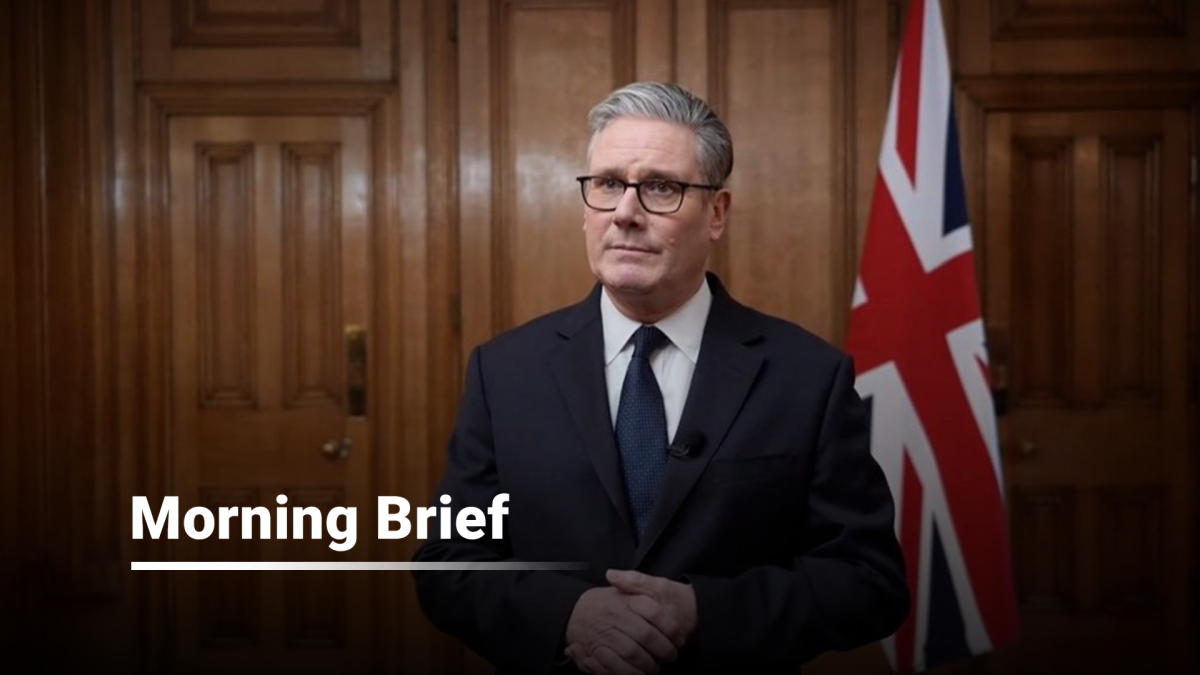
Starmer condemns Trump Afghanistan comments as ‘insulting’
UK Prime Minister Keir Starmer has condemned President Donald Trump’s claim that NATO troops stayed off the front lines in Afghanistan, calling the comments “insulting and frankly appalling” and stressing that they diminish the sacrifice of British and allied forces. Starmer said the remarks caused genuine hurt and called for an apology, noting the UK lost 457 personnel. Prince Harry and veterans’ groups also criticised the comments, while the White House declined to respond directly.
Iran warns of ‘all-out war’ if attacked
A senior Iranian official has warned that any strike on the country would be viewed as an “all-out war,” as the U.S. reinforces its military presence in the Middle East with an aircraft carrier group and additional air defences. The official said Iran’s forces are on high alert and would “respond in the hardest way possible” to any attack. Washington says the buildup is defensive, while Tehran argues it risks triggering escalation. The warning comes amid Iran’s deadliest unrest in decades and continued U.S. pressure, though both sides say diplomatic channels remain open.
Trump thanks Azerbaijan and Armenia, announces Vance visit in February
U.S. President Donald Trump has thanked President Ilham Aliyev and Prime Minister Nikol Pashinyan for maintaining last August’s peace deal, saying Vice President J.D. Vance will visit both countries in February to advance what he calls the Trump Route for International Peace and Prosperity. He added that Washington would deepen its strategic partnership with Azerbaijan, pursue peaceful nuclear cooperation with Armenia, and expand semiconductor and defence equipment deals, including sales of U.S.-made body armour and boats.
Germany divided over possible World Cup boycott
Germany is split over whether to boycott the 2026 FIFA World Cup in the U.S. if President Donald Trump moves ahead with annexing Greenland, a step widely seen in Europe as violating international law. CDU lawmakers Jürgen Hardt and Roderich Kiesewetter said participation would be difficult to justify under such circumstances. Sports Minister Christiane Schenderlein said the decision ultimately rested with sporting federations. An INSA poll found 47% support a boycott, while 35% oppose it, reflecting broader unease over Trump’s foreign policy.
Russia and China oppose Western ‘militarisation’ of Asia-Pacific
Russia and China have accused Western countries of trying to militarise the Asia-Pacific region, saying they will step up coordination with Southeast Asian states in response. After talks in Beijing, officials criticised plans for Nato-style military infrastructure and so-called Indo-Pacific strategies, while promising deeper engagement with Asean. Discussions also covered Myanmar, Afghanistan and the Korean Peninsula, with both sides highlighting growing trade and momentum in bilateral ties.















What is your opinion on this topic?
Leave the first comment