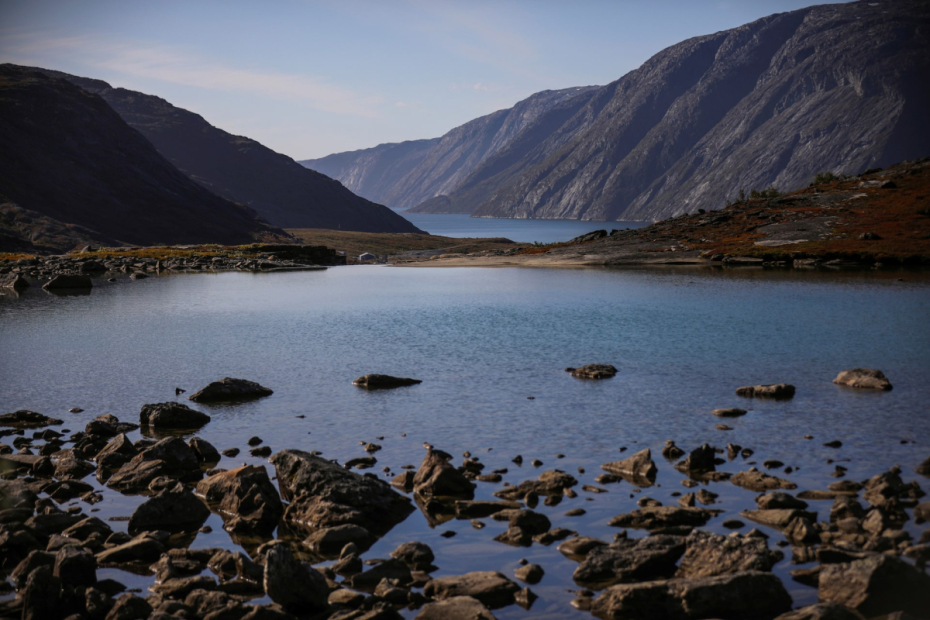
The stark, frozen beauty of the Arctic has become the unlikely stage for a high-stakes diplomatic standoff that threatens to dismantle the transatlantic security architecture.
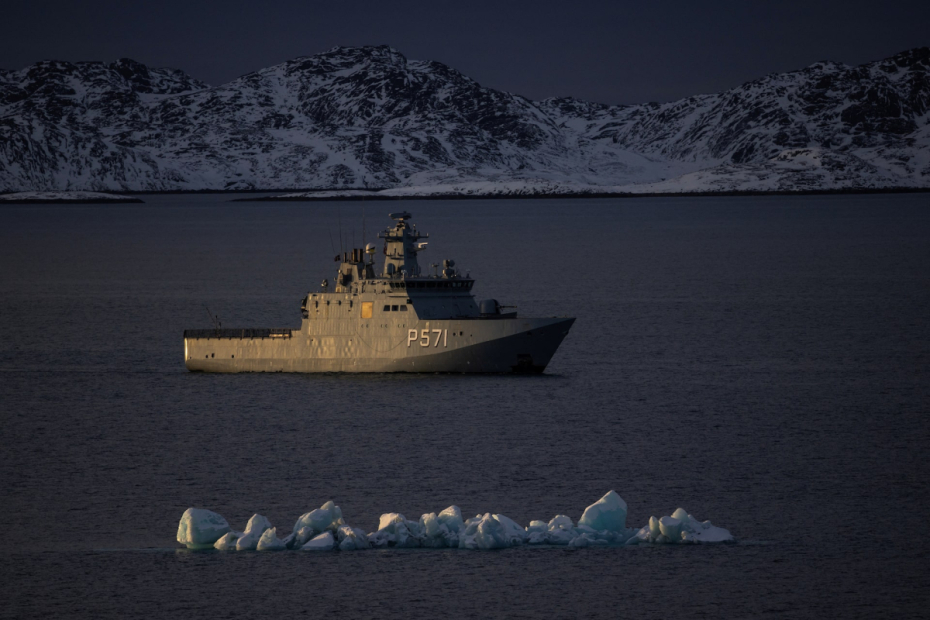
Only weeks ago, the harbour in Nuuk was a quiet port serving a population of less than 20,000. Today, it is patrolled by the Danish military offshore vessel HDMS Lauge Koch, a grey steel symbol of Copenhagen’s refusal to cede the island to the United States.
President Donald Trump’s renewed ambition to acquire the world's largest island for national security is the reason that this remote territory has been transformed into a flashpoint.
While the White House argues that the 1916 U.S. purchase of the Danish West Indies (now the U.S. Virgin Islands) set a precedent for American expansion, the reality on the ground is one of resistance and anxiety.
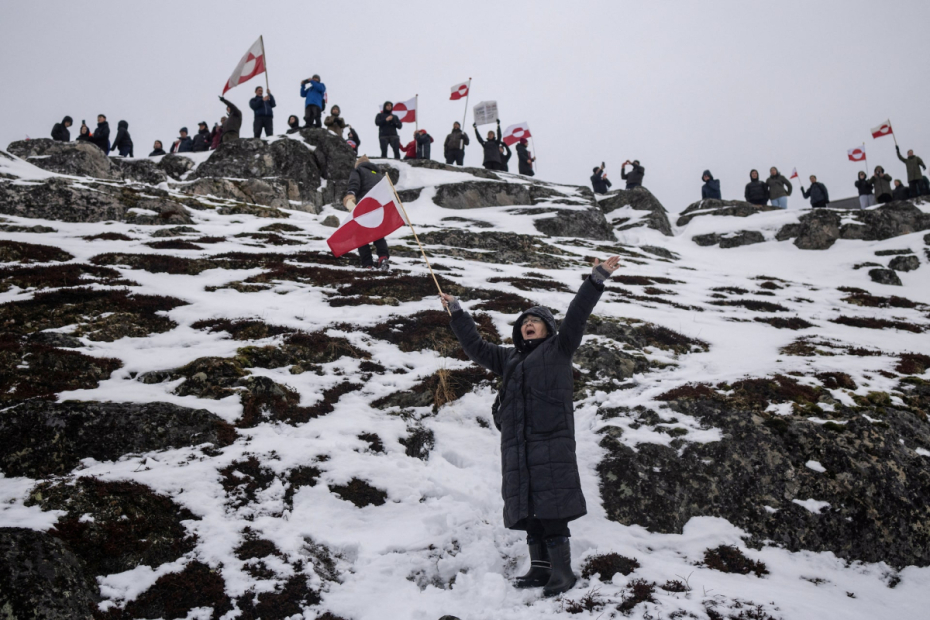
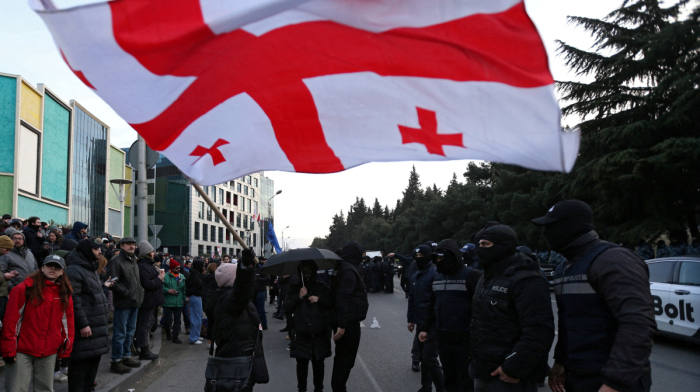
Protests have erupted across the capital, with locals gathering under the polar winter sky to demand the right to self-determination. Images from the capital show demonstrators rallying against what they term an "annexation threat," rejecting the notion that their home can be bought or sold like real estate.
Tensions escalated earlier this week when President Trump posted an artificial intelligence (AI) generated image of himself standing in Greenland holding a U.S. flag, alongside a map depicting the island as American territory. When pressed by reporters on how far he would go to secure the deal, his response was ominous: "You’ll find out."
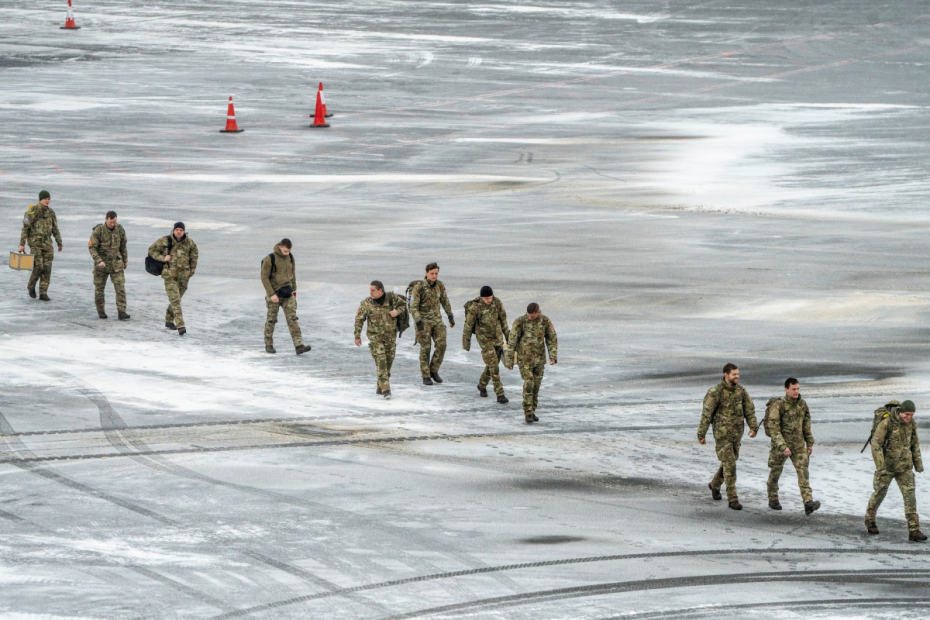
In response to the rhetoric, Denmark has deployed additional soldiers to Nuuk airport, a move intended to signal sovereignty but one that has heightened the sense of militarisation in a community traditionally focused on fishing and tourism.
However, the military buildup is not solely Danish. In a move that reportedly triggered Trump's initial threat of tariffs against Europe, small contingents of military personnel from Germany, France, Sweden, and Britain have arrived at Denmark's invitation.
Operating under the Joint Arctic Command (JACO), these allied forces are conducting interoperability exercises, a visible "shield" of European unity designed to demonstrate that an attack on Greenland's sovereignty is an affront to the wider alliance.
Strategic crossroads of North
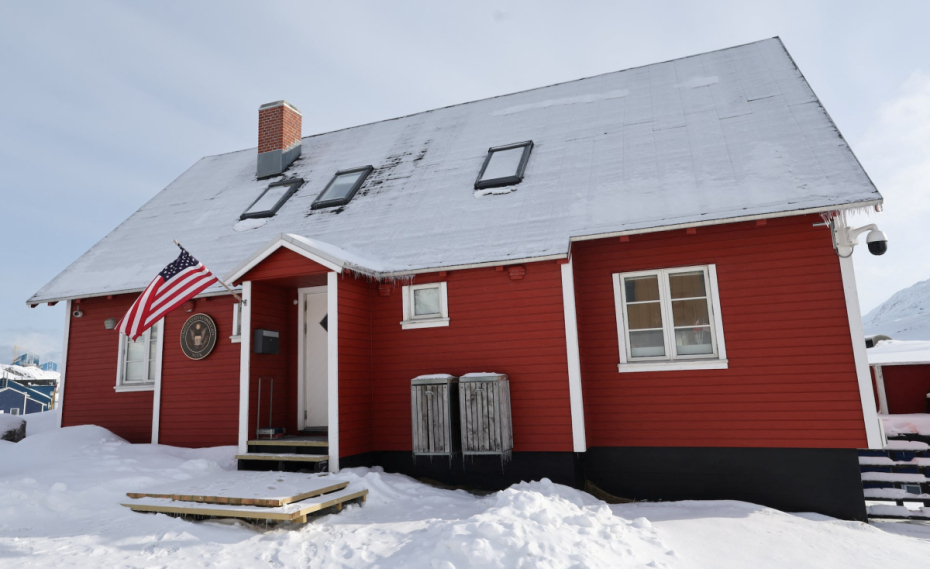
Washington’s interest is driven by hard geography rather than landscape. Greenland sits at a critical choke point for the Arctic, hosting the U.S. military’s Pituffik Space Base (formerly Thule) in the northwest.
Under a 1951 agreement, the U.S. maintains a permanent presence here, crucial for its ballistic missile early-warning system. The shortest flight path for missiles travelling between Europe and North America lies directly overhead. With rivals Russia and China expanding their Arctic capabilities according to reports, the U.S. administration views full control of the island - which is physically closer to New York than Copenhagen - as an existential necessity.
Colonial scars and sovereignty
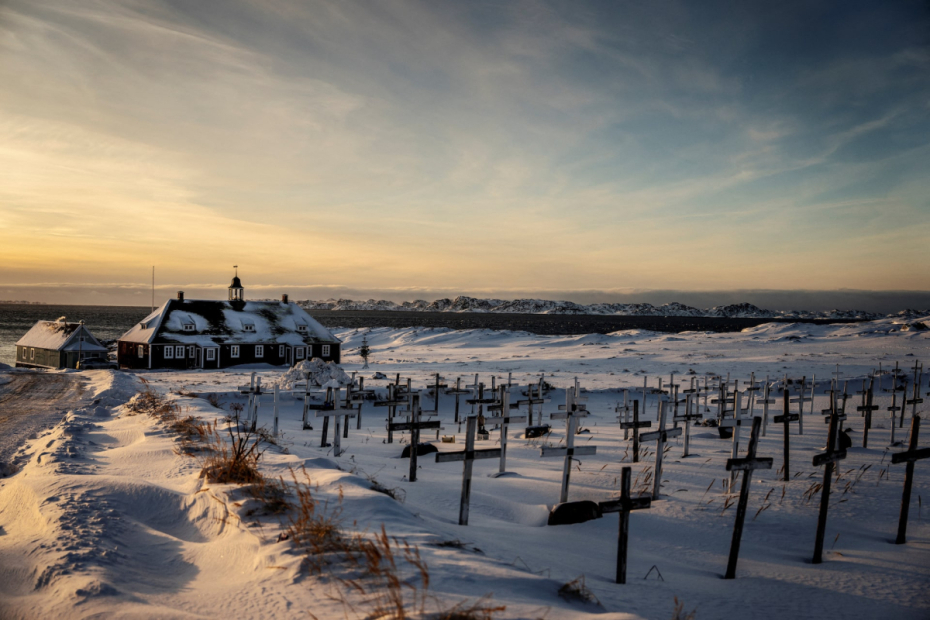
Complex history underpins the current crisis. Denmark colonised the island in the 18th century, and while Greenland gained home rule in 1979 and self-rule in 2009, deep scars remain.
Recent years have seen strained relations between Nuuk and Copenhagen over historical misconduct, including the forced relocation of Inuit communities and a failed social experiment in the 1950s that removed Greenlandic children from their families.
While polls suggest a majority of the 57,000 residents support independence in principle, economic reality complicates the dream. Fishing accounts for more than 90% of exports, and Danish block grants cover roughly half the public budget. Transitioning from Danish reliance to a potential U.S. "Compact of Free Association" - similar to arrangements with Micronesia - is a gamble many locals are hesitant to take, fearing one colonial master would simply be swapped for another.
Life on edge of Arctic
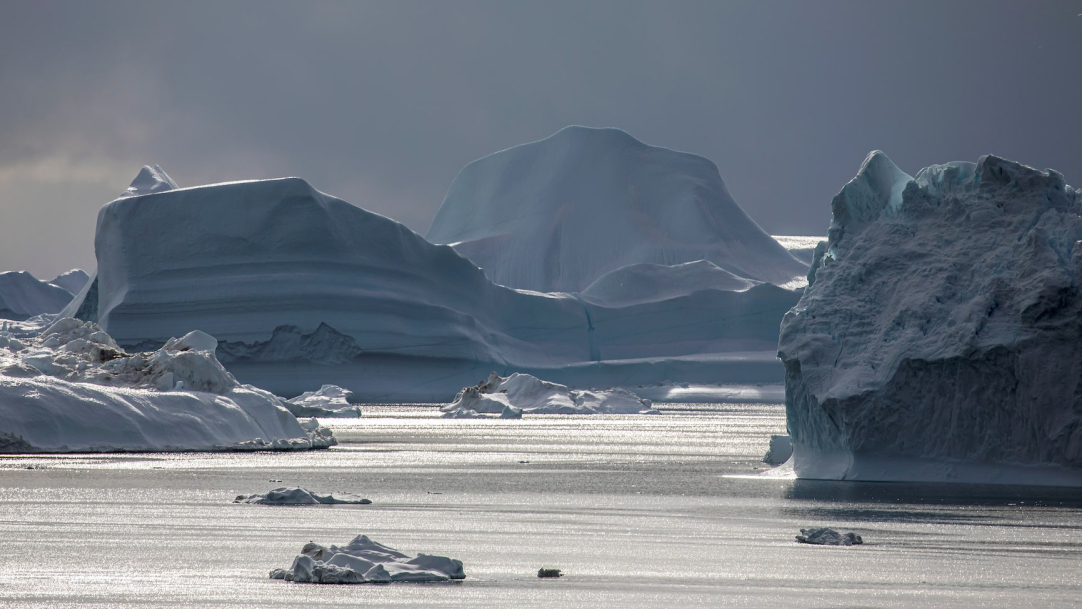
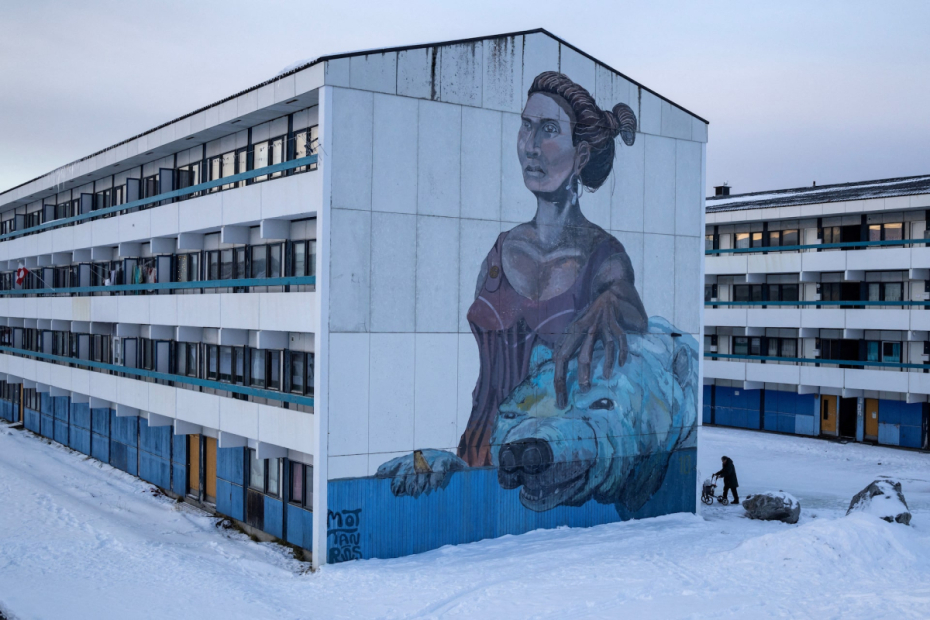
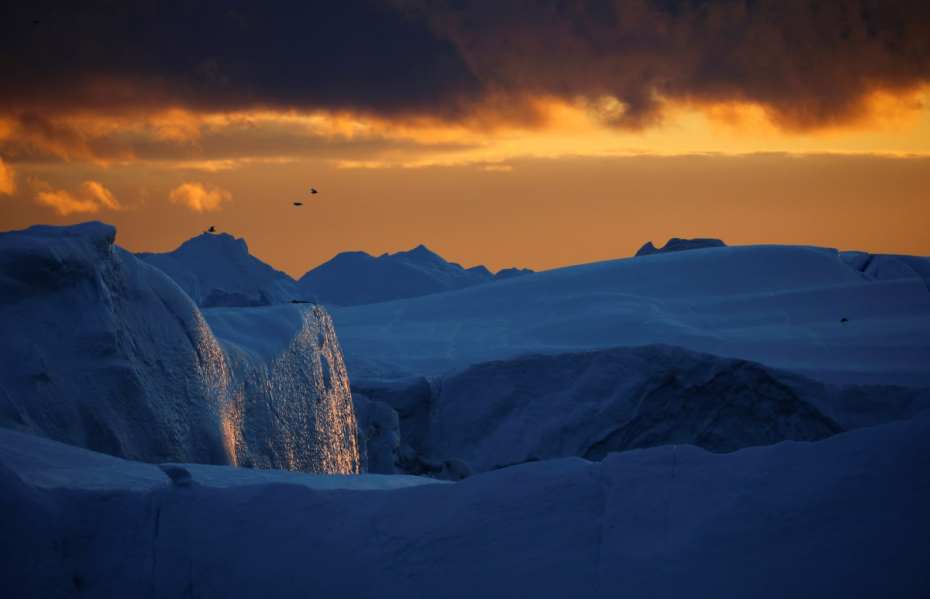
Beyond the geopolitics, daily life continues against a backdrop of dramatic environmental change. The Sermeq glacier near Nuuk and the Jakobshavn ice fjord near Ilulissat are melting at accelerating rates, a visible reminder of the climate crisis often denied by the very administration seeking to acquire the land.
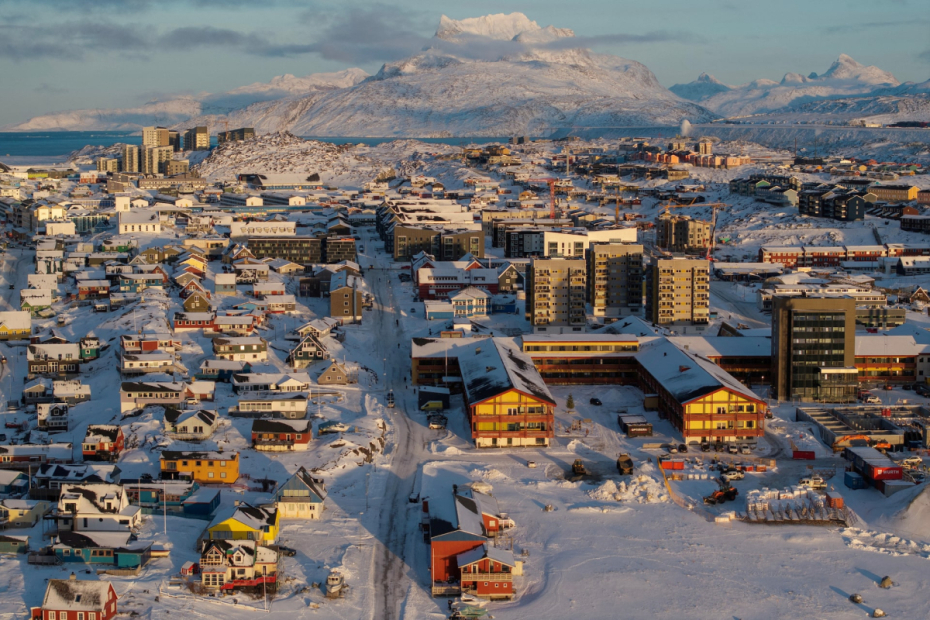
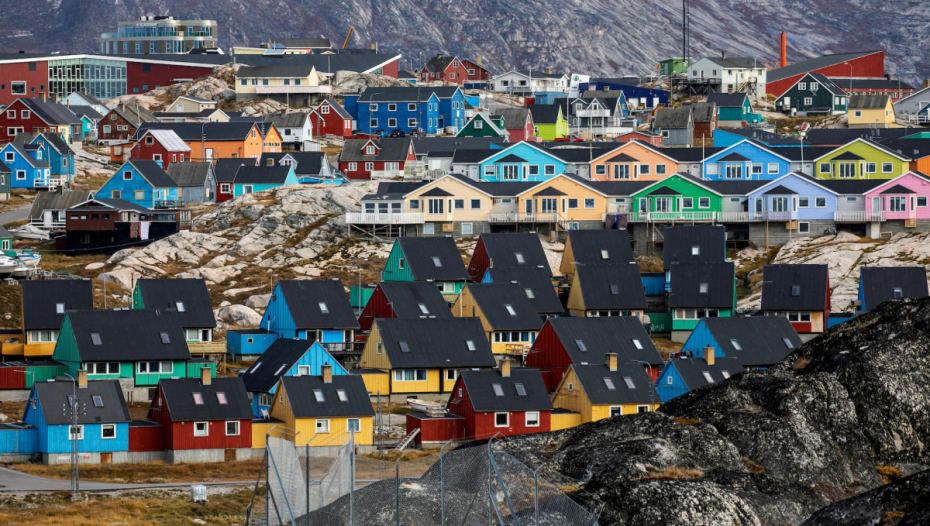
For now, the colourful wooden houses of Nuuk stand in contrast to the grey warships in the harbour, as the island waits to see if it will remain an autonomous part of the Danish realm or become the 51st star on the American flag.













What is your opinion on this topic?
Leave the first comment