At the World Economic Forum in Davos, Canadian Prime Minister Mark Carney positioned Ottawa at the forefront of a ‘post-American’ economic order, calling for a radical restructuring of global trade to bypass Washington’s increasing volatility.
Carney is trying to foster a new global trading order by working more closely with China and inking smaller trade deals, but faces constraints from Canada's still overwhelming economic dependency on the United States.
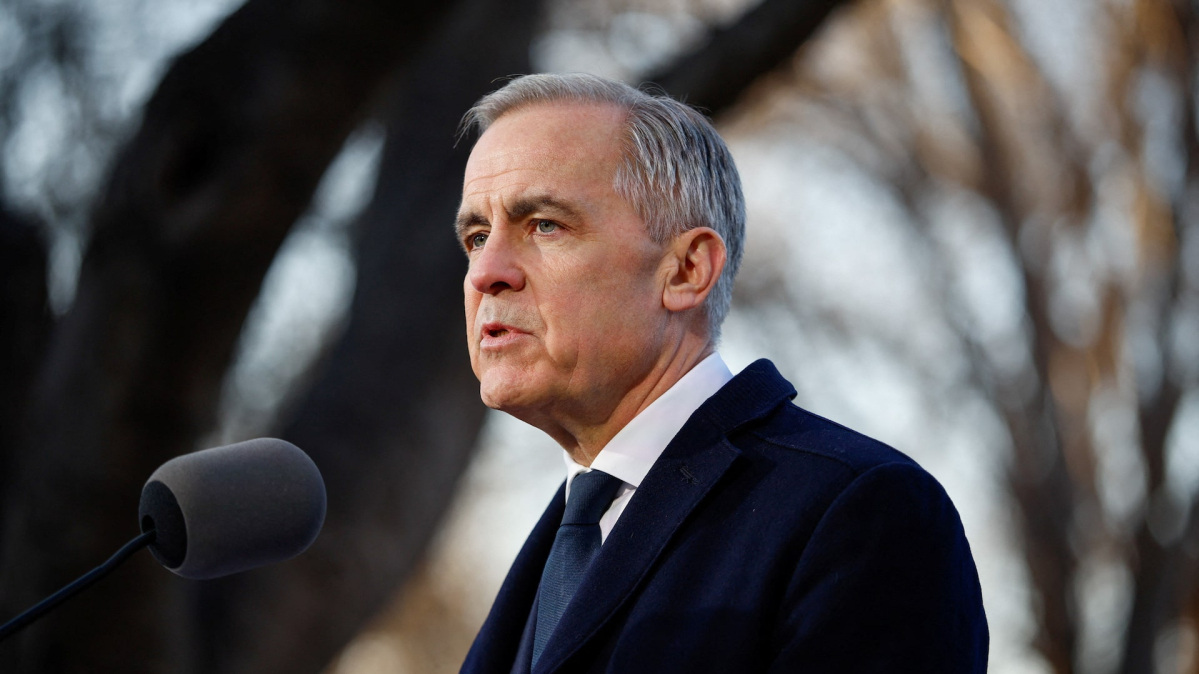
Speaking to the global elite at the World Economic Forum in the Swiss Alps on Monday, the former central banker placed Ottawa as the vanguard of a diversified economic bloc, arguing that the unpredictability of U.S. President Donald Trump’s second term necessitates a radical decoupling from traditional North American integration.
Carney’s address at the forum underscored that the historic dependency on the U.S., which absorbs nearly 70% of Canadian exports - is no longer a guarantee of prosperity but a vulnerability.
The pivot marks a high-stakes gamble for Carney, who arrived in Davos fresh from a whirlwind diplomatic tour that included a landmark visit to Beijing and stops in the Gulf. By aiming to construct a "plurilateral" system of smaller, agile alliances, Canada is attempting to fill the void left by the erosion of the traditional rules-based order.
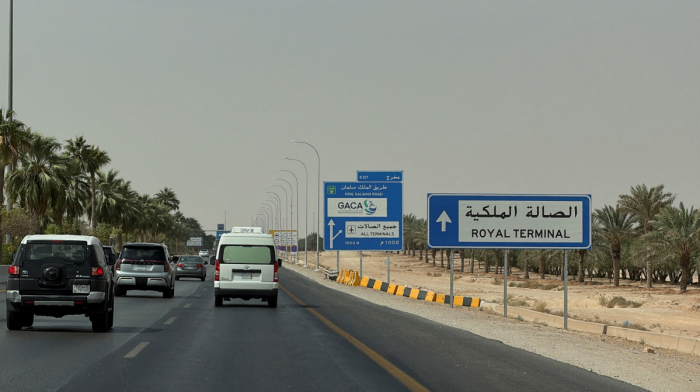
"A number of the multilateral relationships, institutions, rules-based systems, are being eroded by various decisions of various countries, the United States included," Carney said in Doha on Sunday, where he pledged more cooperation on defence and security and said progress had been made on an investment promotion agreement.
"Where there is progress, and where Canada and like-minded countries are looking to make progress, is through plurilateral deals," Carney said, advocating for agreements between a smaller number of countries.
The strategy involves bypassing the slow-moving consensus of large trade blocs in favour of rapid agreements with willing partners.
Carney is advocating for Canada to serve as a bridge between the European Union and Pacific Rim nations, leveraging his background as head of both the Bank of England and the Bank of Canada to reassure markets.
"In this moment of volatility, Canada will step up and lead. We will make sure that we are bringing countries to the table who will assist in this role," Canada's Foreign Minister Anita Anand told Reuters in an interview in Doha.
China deal signals break
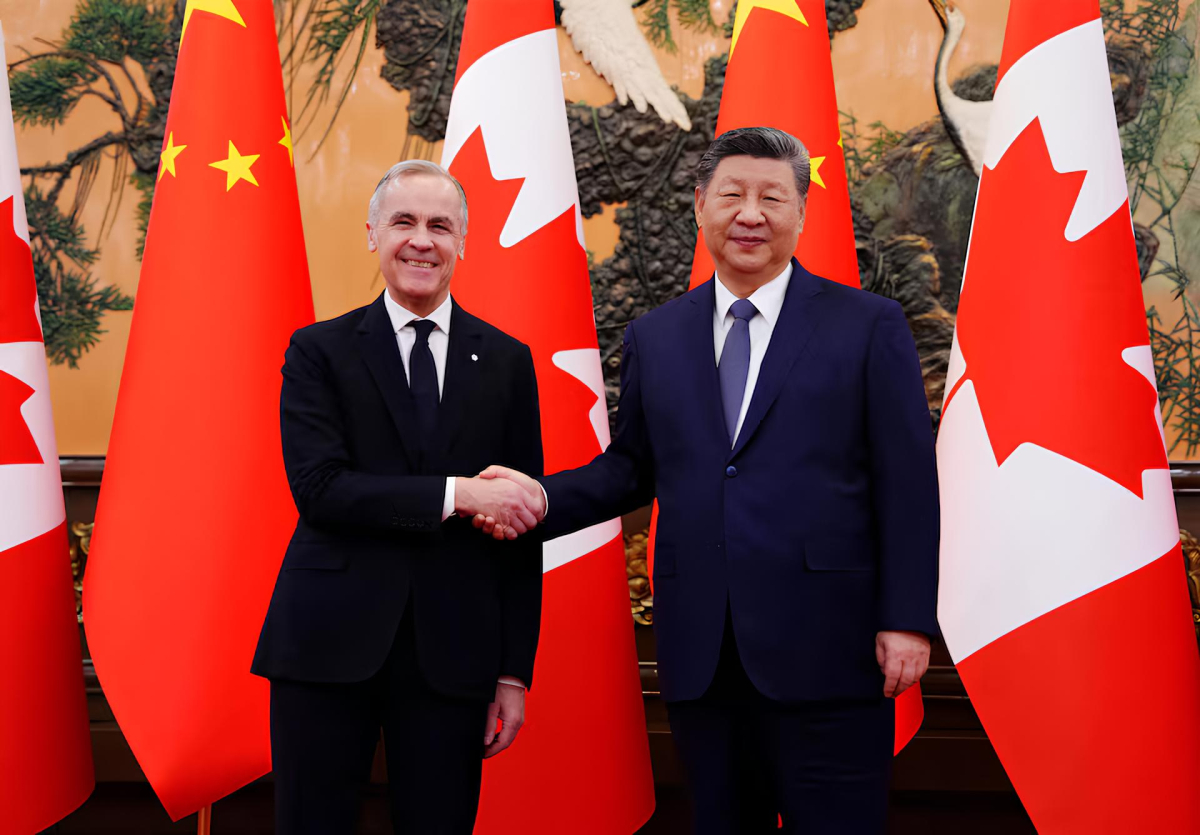
Just days before arriving in Switzerland, Carney took his diversification push further than his G7 allies in Europe by signing a trade deal with China. This move signals a stark divergence from U.S. foreign policy and aims to secure a fallback market for Canadian resources.
In Beijing, the Prime Minister described China as a "more predictable partner" than the current administration in Washington.
This rapprochement comes as the White House intensifies threats regarding the annexation of Canadian assets and disputes over sovereignty in the Arctic, specifically concerning Greenland and NATO ally Denmark.
Deep dependency risks
However, for Canada to reduce merchandise exports to the U.S. by just 10%, it would need to double its exports to China, Germany, France, Mexico, Italy, and India combined.
Experts warn that trading one dependency for another carries significant peril.
"We have to be very cautious," said William Pellerin, partner at law firm McMillan.
"Moving too quickly and integrating too quickly with China creates issues around long-term stability," he added.
Pellerin noted that Chinese manufacturers possess the capacity to flood the Canadian market "overnight," potentially hollowing out domestic industries.
Rapid Deal Expansion
To mitigate these risks, experts say Ottawa is pursuing a "scattershot" diplomacy strategy. Carney’s government has recently wrapped up trade deals with Ecuador and Indonesia and signed investment agreements with the United Arab Emirates.
Trade Minister Maninder Sidhu, speaking in Dubai before joining the delegation in Davos, confirmed that negotiations are accelerating with the Philippines, Thailand, Saudi Arabia, and the Mercosur bloc.
"Normally, the government of Canada signs one trade agreement a year," Sidhu said. "We want to make sure we get those done as soon as possible."
Persistent U.S. Dominance
Data highlights the friction of this proposed transition. While Canada’s share of exports to the U.S. fell to its lowest level outside the pandemic years in October, it still accounted for 67.3% of the total.
The energy sector remains tethered to the south, with 90% of Canadian crude oil flowing to American refineries. M
ost economists argue that a significant decline in U.S. export share is unlikely in the short term, as corporations await the outcome of the tense US-Mexico-Canada Agreement (USMCA) review later this year.
















What is your opinion on this topic?
Leave the first comment