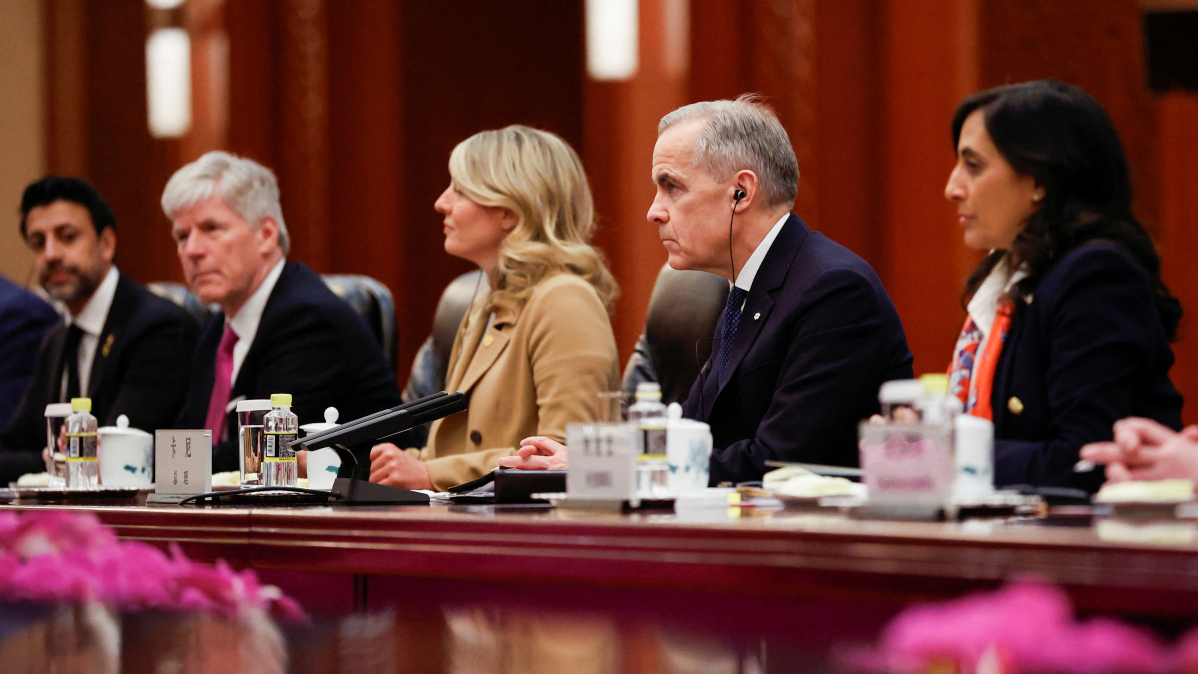
Canada and China have signalled a reset in bilateral relations during Prime Minister Mark Carney’s first official visit to Beijing, with both sides highlighting progress toward closer cooperation after years of strained ties.
Speaking during talks with China’s top legislator Zhao Leji on Thursday, Carney said recent engagement had laid the groundwork for a potential strategic partnership in areas including energy, people-to-people exchanges and security, according to a spokesperson for his office.
The four-day visit is the first by a Canadian prime minister since 2017 and follows a meeting between Carney and Chinese President Xi Jinping in South Korea in October. The two leaders are expected to meet again on Friday.
China’s Foreign Minister Wang Yi described the visit as a “pivotal” moment for bilateral relations, noting that contacts between senior officials have increased over recent months.
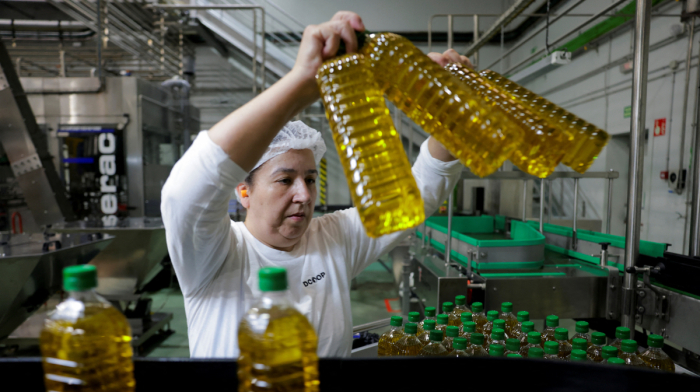
Relations between Ottawa and Beijing had deteriorated under former prime minister Justin Trudeau, particularly after Canada imposed tariffs on Chinese electric vehicles in 2024. China responded with duties on more than $2.6 billion worth of Canadian agricultural and food products, contributing to a decline in Canadian exports to China last year.
Canadian officials say renewed engagement has been driven in part by efforts to diversify trade amid tensions with the United States, including tariffs imposed by Washington and remarks by U.S. President Donald Trump questioning Canada’s sovereignty.
During the visit, Carney has held meetings with executives from several major Chinese companies, including battery manufacturer CATL, China National Petroleum Corporation, Alibaba and financial institutions, as well as officials involved in renewable energy and infrastructure.
Both governments say dialogue will continue as they seek to stabilise relations and expand cooperation following years of diplomatic and economic friction.


















What is your opinion on this topic?
Leave the first comment