




23:25 CET
Nigeria confirms Ebola case in Abuja
Nigerian health authorities have confirmed a case of Ebola disease in the Federal Capital Territory (FCT)...
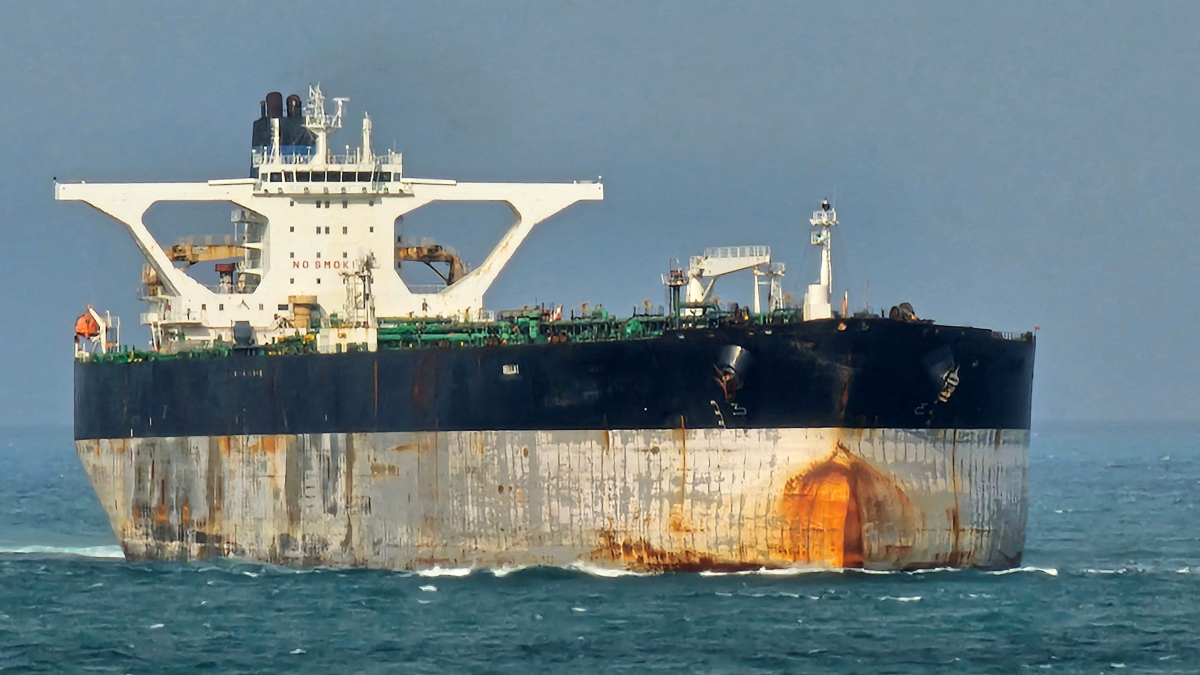


The U.S. has seized a Russian-flagged oil tanker that had been followed by a Russian submarine on Wednesday, following a more than two-week-long pursuit across the Atlantic as part of a U.S. "blockade" on Venezuelan oil exports, according to two U.S. officials speaking to Reuters.
This appears to be the first instance in recent memory of the U.S. military capturing a Russian-flagged vessel.
The operation occurred after the tanker, originally named the Bella-1, managed to slip through a U.S. maritime blockade aimed at sanctioned tankers in the Caribbean and resisted attempts by the U.S. Coast Guard to board it. The seizure was initially reported by Reuters.
In a post on X, the U.S. military's European Command confirmed that the vessel had been seized during the Trump administration for breaching U.S. sanctions.
"The blockade of sanctioned and illicit Venezuelan oil remains in FULL EFFECT, anywhere in the world," U.S. Defence Secretary Pete Hegseth stated in response to the post.
The U.S. officials, who requested anonymity, confirmed that Wednesday’s operation, near Iceland, was carried out by the Coast Guard and U.S. military personnel.
The Coast Guard did not immediately respond to a request for comment.
The officials added that Russian military vessels, including a submarine, were in the general area of the operation. While it was unclear how close these vessels were to the action, there were no signs of confrontation between U.S. and Russian forces.
Russia's response
The Russian Ministry of Transport confirmed on Wednesday (7 January), that it lost contact with the vessel Bella 1, also known as the Marinera, after U.S. Navy personnel boarded it on the high seas around 15:00 Moscow time (1200 GMT).
In a statement, the ministry cited the 1982 United Nations Convention on the Law of the Sea, emphasising that freedom of navigation applies to the high seas and that no state has the right to use force against vessels under another country’s jurisdiction.
Moreover, Russia’s Foreign Ministry said it is closely monitoring reports of the boarding, demanding that U.S. personnel treat all Russian nationals on board humanely, respect their rights, and ensure their prompt return to Russia. Uncertain destination of the vessel
The seizure took place just days after U.S. special forces conducted a raid in Caracas early on Saturday (3 January) morning to capture President Nicolás Maduro, bringing him to the U.S. to face charges related to alleged drug trafficking.
It remains unclear where the seized vessel will be taken, though sources suggested it may enter British territorial waters.
The UK's Ministry of Defence declined to comment.
The U.S. Coast Guard first attempted to intercept the vessel last month, but it refused to be boarded. Since then, it has been registered under a Russian flag and renamed Marinera.
The vessel is the latest tanker to be targeted by the U.S. Coast Guard as part of U.S. President Donald Trump's pressure campaign against Venezuela.
Separately, the U.S. Coast Guard intercepted another Venezuela-linked tanker in Latin American waters, according to U.S. officials speaking to Reuters on Wednesday, continuing the enforcement of the blockade on sanctioned Venezuelan vessels.
Sources indicated that the vessel in question was the Panama-flagged supertanker M Sophia, which is also under sanctions. It had departed Venezuelan waters in early January as part of a fleet transporting Venezuelan oil to China, operating in "dark mode" with its transponder turned off, according to shipping data and sources. Trump targets Venezuelan oil
Top Venezuelan officials have condemned Maduro's capture as a kidnapping, accusing the U.S. of trying to steal the country’s vast oil reserves, which are estimated to be the largest in the world.
In response, Trump and senior U.S. officials have accused Venezuela of seizing U.S. oil, referring to the country’s nationalisation of its energy sector over the past half-century.
Venezuela has millions of barrels of oil stored in tanks and on tankers, but it has been unable to ship the oil due to the U.S. blockade on its exports, which has been in effect since mid-December.
Trump announced on Tuesday that Caracas and Washington had struck a deal to export up to $2 billion worth of Venezuelan crude to the U.S., an agreement that would redirect supplies from China while helping Venezuela avoid further cuts in oil production.
Such an agreement would signal that the Venezuelan government is responding to Trump’s demand that it open up the country’s oil industry to U.S. companies or face the prospect of more military intervention.
Trump stated that he wants interim President Delcy Rodríguez to grant the U.S. and private companies "total access" to Venezuela’s oil sector.
Since the U.S. imposed energy sanctions on Venezuela in 2019, traders and refiners purchasing Venezuelan oil have relied on a "shadow fleet" of tankers that hide their location or use vessels already sanctioned for transporting Iranian or Russian oil.
The shadow fleet is considered vulnerable to possible punitive actions from the U.S., according to shipping analysts.

Nigerian health authorities have confirmed a case of Ebola disease in the Federal Capital Territory (FCT)...
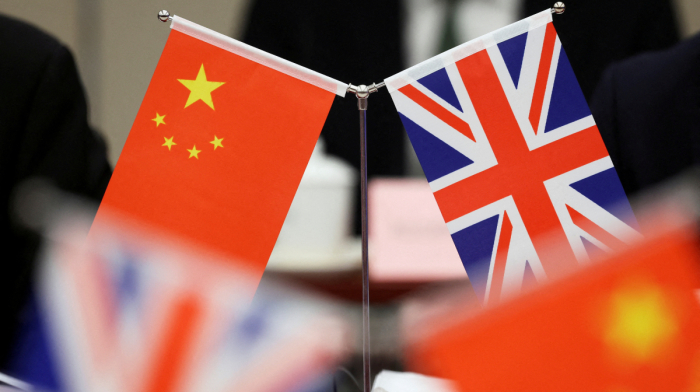
China has lodged a formal diplomatic protest with the UK after British border officials allegedly subjected Chinese travellers to lengthy questioni...
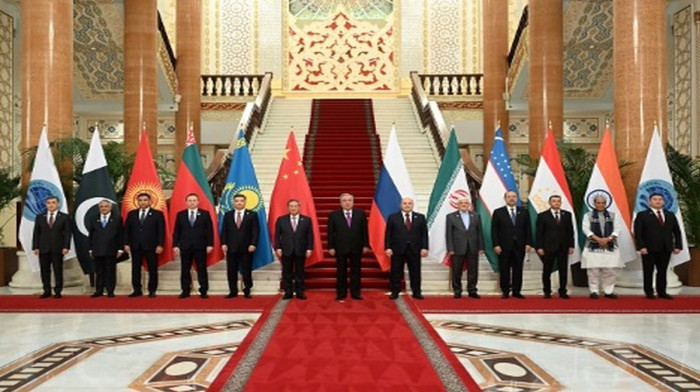
Member states of the Shanghai Cooperation Organisation (SCO) prevented 273 terrorist attacks and more than 3,000 crimes linked to terrorism, separa...
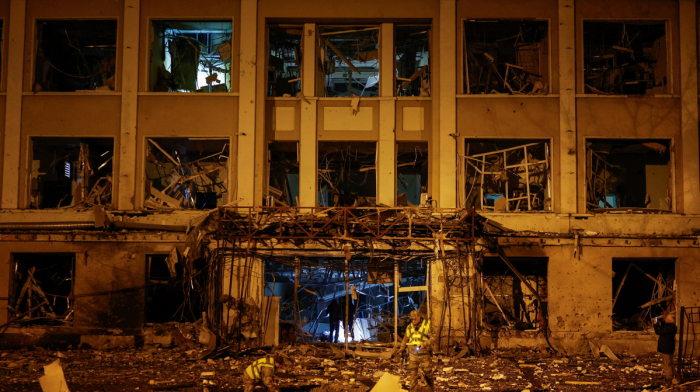
U.S. President Donald Trump has criticised Ukrainian President Volodymyr Zelenskyy for continuing to target Russia's energy infrastructure, while Russian strikes on Kyiv overnight killed at least one person and damaged a metro station.
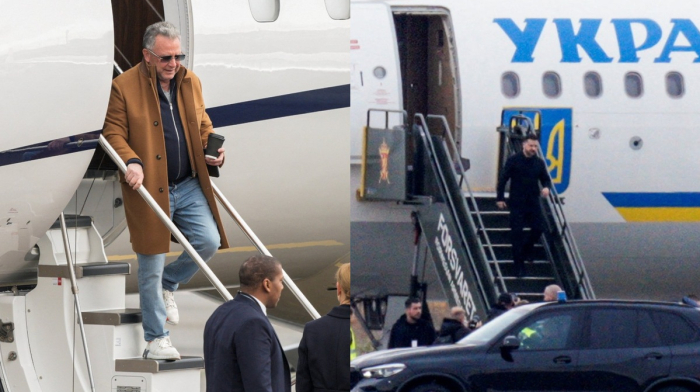
Ukrainian President Volodymyr Zelenskyy has arrived in Norway for talks about the Russia-Ukraine war. He is expected to meet with U.S. President Donald Trump's Special Envoy Steve Witkoff, who arrived in Oslo earlier. Witkoff will also meet European officials.
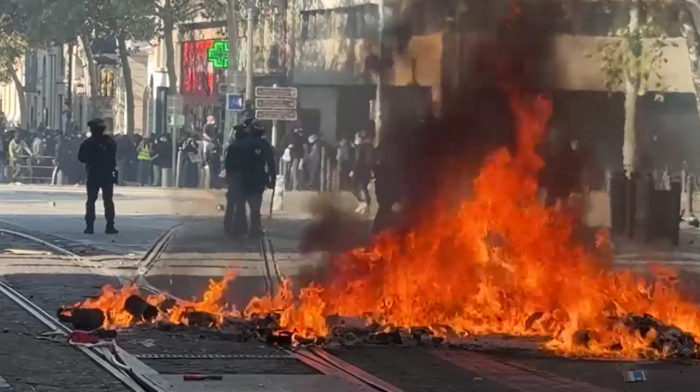
French President Emmanuel Macron has condemned the violence, looting and vandalism that erupted during cost-of-living protests across France. Prime Minister Sébastien Lecornu held crisis talks on Monday, calling for partial curfews and raising the possibility of a state of emergency.
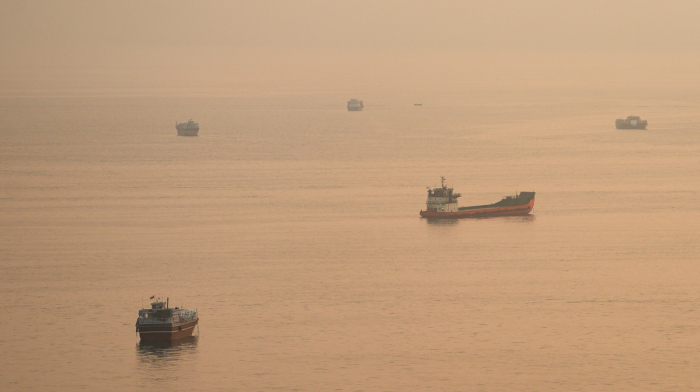
An oil tanker caught fire after striking a naval mine in the southern part of the Strait of Hormuz, Iran’s Islamic Revolutionary Guard Corps (IRGC) Navy said late Sunday.
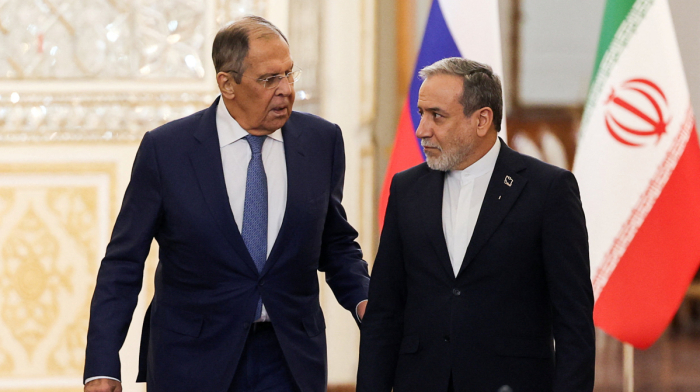
Iranian Foreign Minister Abbas Araghchi said regional issues should be resolved through diplomacy and blamed the United States for insecurity and tensions in the Strait of Hormuz, speaking at a joint news conference with Russian Foreign Minister Sergey Lavrov on Monday.
Nigerian health authorities have confirmed a case of Ebola disease in the Federal Capital Territory (FCT), prompting the activation of emergency public health measures aimed at preventing further transmission of the deadly virus.
China has lodged a formal diplomatic protest with the UK after British border officials allegedly subjected Chinese travellers to lengthy questioning and seized personal electronic devices, including phones, laptops and smartwatches.
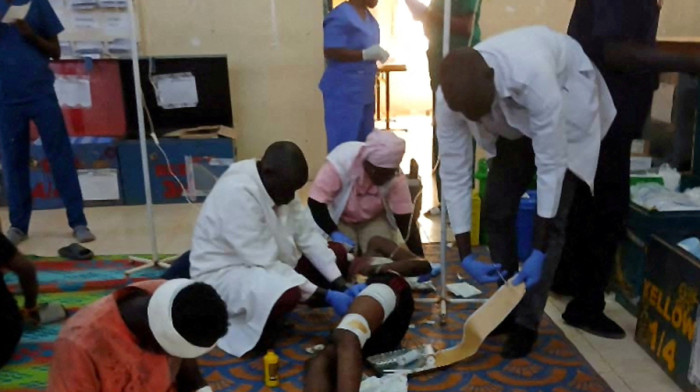
More than 150 people have been killed in a drone strike on a crowded market in the disputed Abyei region, South Sudanese officials said, marking one of the deadliest attacks linked to Sudan's civil war since it began in April 2023.
Ukrainian President Volodymyr Zelenskyy has arrived in Norway for talks about the Russia-Ukraine war. He is expected to meet with U.S. President Donald Trump's Special Envoy Steve Witkoff, who arrived in Oslo earlier. Witkoff will also meet European officials.
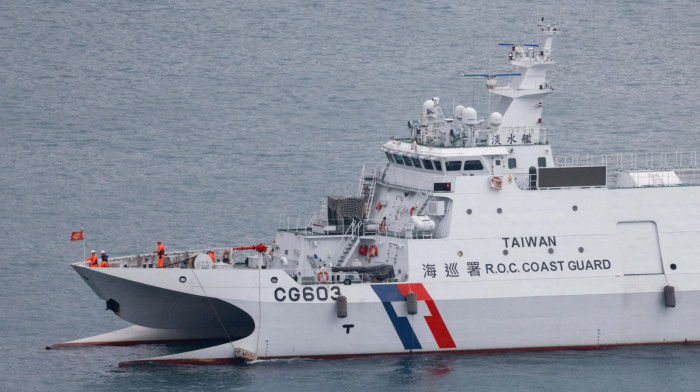
Beijing says it deployed naval forces to monitor a U.S. warship near Sabina Shoal, while Taiwan reports a separate confrontation with a Chinese coast guard vessel near the Pratas Islands.
You can download the AnewZ application from Play Store and the App Store.




What is your opinion on this topic?
Leave the first comment