Philippines earthquake: Magnitude 6.7 quake hits off Mindanao
A magnitude 6.7 earthquake has struck off the southern Philippines, with no immediate reports of damage or injuries, the U.S. Geological Survey has sa...
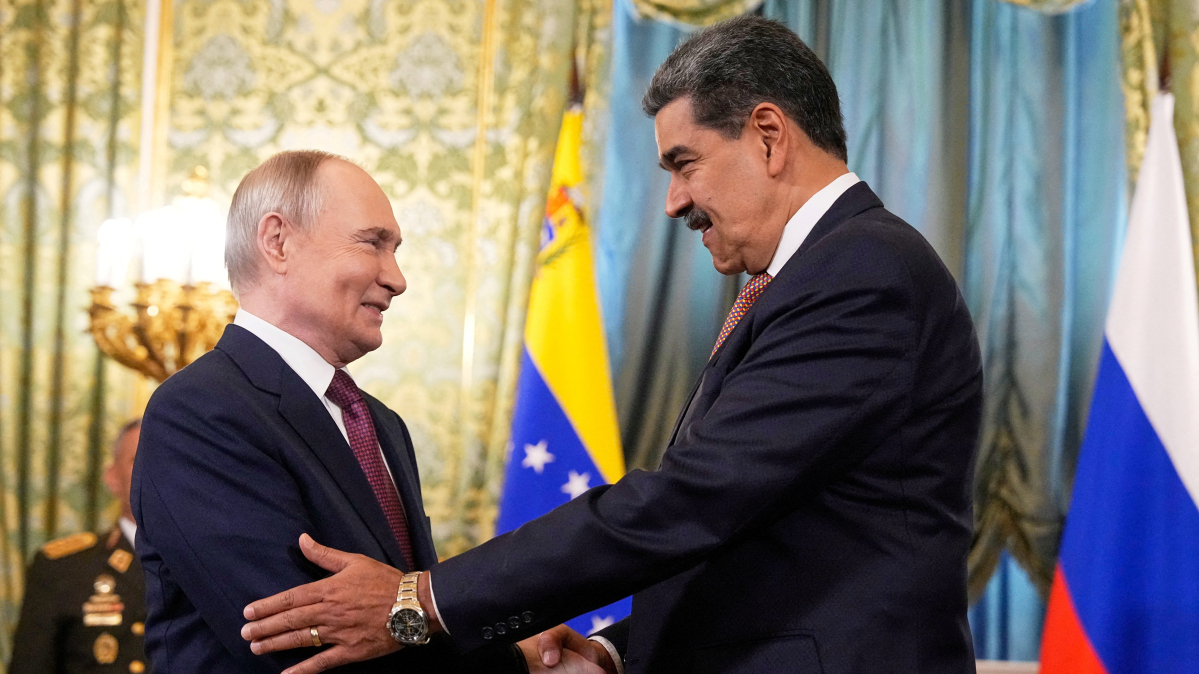
Russia is bracing for potential turmoil in global oil markets after U.S. President Donald Trump ordered a military operation that led to the capture of Venezuela’s long-time leader Nicolás Maduro, according to reports.
Moscow’s concern extends beyond the loss of a key political ally for Russian President Vladimir Putin.
The greater fear is that Venezuela’s vast oil reserves could now fall under U.S. influence, potentially flooding global markets and driving prices down.
Venezuela holds the world’s largest proven oil reserves, exceeding those of Saudi Arabia.
Yet years of mismanagement and U.S. sanctions have left much of that oil untapped, keeping exports far below those of major producers such as Russia or Gulf states.
For Moscow, this situation was advantageous.
With Venezuelan oil largely locked out of global markets, supply remained constrained and prices higher, supporting Russia’s oil-dependent budget. That calculation could now change rapidly.
U.S. President Donald Trump has openly stated that U.S. energy companies would move into Venezuela to "rebuild" its oil sector.
If sanctions are lifted and American firms modernise production, Venezuela could sharply increase output within a relatively short period.
Energy analysts warn that a surge in Venezuelan supply would hit markets at a time when global demand growth is already slowing, putting significant downward pressure on prices.
For Russia, lower oil prices pose a serious economic risk. Revenues from oil and gas underpin state spending, including pensions, public-sector salaries and military costs linked to the war in Ukraine.
Even before the U.S. operation, Russian commentators had voiced unease.
Igor Yushkov of the Moscow-based Foundation for National Energy Security has said it was "economically and politically important" for Russia that Maduro remained in power, arguing that sanctions kept Venezuelan output low and prices high.
Russian businessman Oleg Deripaska has also warned that U.S. access to Venezuelan oil could allow Washington to cap global prices, pushing Russian crude below $50 a barrel.
From the Kremlin’s perspective, the issue goes beyond Venezuela.
It reflects growing U.S. leverage over global energy markets at a moment of heightened economic and geopolitical pressure on Russia.

Germany’s foreign intelligence service secretly monitored the telephone communications of former U.S. President Barack Obama for several years, including calls made aboard Air Force One, according to an investigation by the German newspaper Die Zeit.
Israeli media report that Israeli Prime Minister Benjamin Netanyahu chaired a lengthy security meeting that reportedly focused on the country’s regional threats, including Gaza, Lebanon, and Iran.
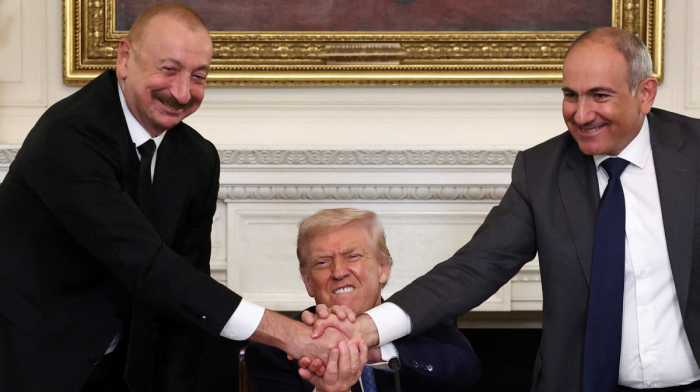
At the end of last year, U.S. President Donald Trump was reported to have raised the Azerbaijan–Armenia peace agenda during a conversation with Israel’s prime minister, warning that if peace were not achieved, Washington could raise tariffs on both countries by 100 percent.
President Ilham Aliyev said 2025 has politically closed the Armenia-Azerbaijan conflict, as a Trump-era reset in U.S. ties, new transport corridors and a push into AI, renewables and defence production reshape Azerbaijan’s priorities.
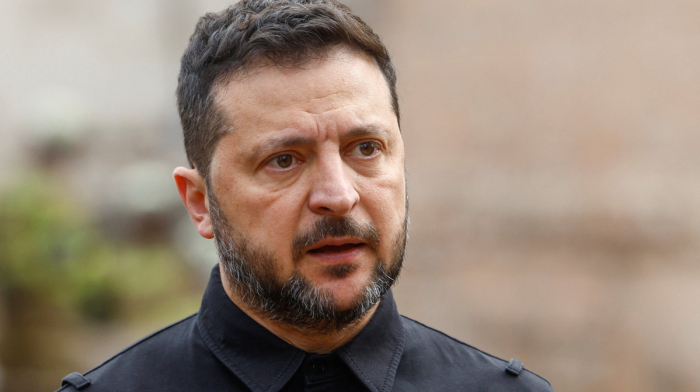
Dmitry Medvedev has warned that Ukrainian President Volodymyr Zelenskyy could face the same fate as Venezuelan leader Nicolás Maduro, following what he described as a U.S. ‘abduction’ of the Venezuelan president.
A magnitude 6.7 earthquake has struck off the southern Philippines, with no immediate reports of damage or injuries, the U.S. Geological Survey has said.
U.S. President Donald Trump and his team say they're actively exploring options to acquire Greenland, with discussions including the potential use of U.S. military, which is "always an option," according to a statement from the White House on Tuesday.
Leaders from the U.S. and European countries moved closer to finalising legally binding security guarantees for Ukraine following a “Coalition of the Willing” meeting in Paris on Sunday.
At least four people were killed and several others injured on Tuesday during fighting in Aleppo, northern Syria, state media reported. The government and the Kurdish-led Syrian Democratic Forces (SDF) are trading blame for the violence.
Ukrainian President Volodymyr Zelenskyy, French President Emmanuel Macron, and British Prime Minister Keir Starmer signed a declaration of intent on Tuesday outlining the future deployment of multinational forces in Ukraine.
You can download the AnewZ application from Play Store and the App Store.
What is your opinion on this topic?
Leave the first comment