The United States says it's set to receive a shipment of crude oil from South America following a significant diplomatic and economic arrangement brokered by the White House involving sanctioned assets.
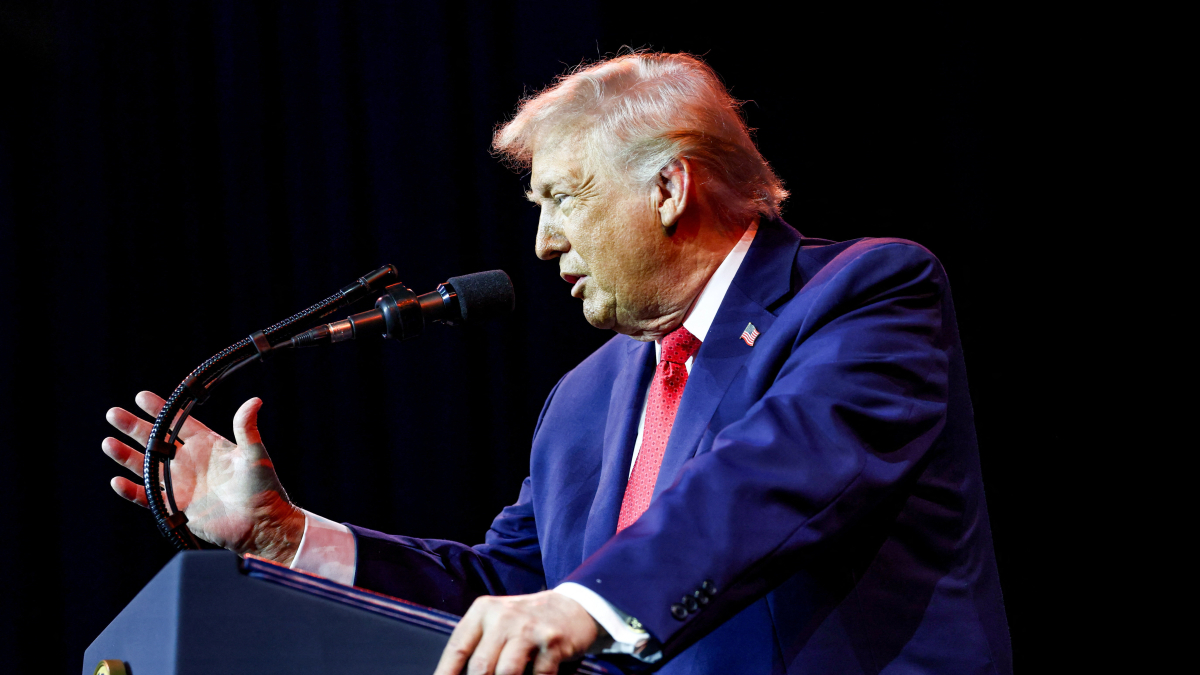
In a statement issued via his Truth Social platform, U.S. President Donald Trump announced that an agreement has been reached with the "Interim Authorities" in Venezuela. The deal involves the transfer of significant energy reserves to American custody, marking a major escalation in the administration's approach to managing Venezuelan assets and sanctions.
"I am pleased to announce that the Interim Authorities in Venezuela will be turning over between 30 and 50 million barrels of high quality, sanctioned oil, to the United States of America," President Trump wrote.
The President emphasised that the liquidity generated from this transfer would be managed strictly under U.S. executive oversight.
"This oil will be sold at its market price, and that money will be controlled by me, as President of the United States of America, to ensure it is used to benefit the people of Venezuela and the United States," Trump stated.
Under this new directive, assets are being actively liquidated and repurposed though specific details on the financial mechanism remain forthcoming.
To oversee the complex logistical operation of moving millions of barrels of crude, the President has deployed his top energy official.
"I have asked Energy Secretary Chris Wright to execute this plan, immediately. It will be taken by storage ships, and brought directly to unloading docks in the United States," Trump added.
Chris Wright is known for his pragmatic approach to fossil fuels and has a background in the fracking industry.
Venezuela holds the world's largest proven oil reserves, yet its production capabilities have been severely hampered by years of mismanagement and international sanctions according to experts.
This development comes amidst a renewed U.S. focus on energy dominance and a restructuring of hemispheric relations.
Market analysts will be watching closely to see how the introduction of up to 50 million barrels impacts global oil prices, and whether this model of asset transfer will be applied to other sanctioned nations in the future.
















What is your opinion on this topic?
Leave the first comment