Military power is again shaping international politics as rivalry intensifies and security assumptions erode, pushing states to place renewed emphasis on readiness, deterrence and visible capability.
Large-scale exercises now function as both training and signalling, offering controlled displays of strength in an increasingly uncertain environment.
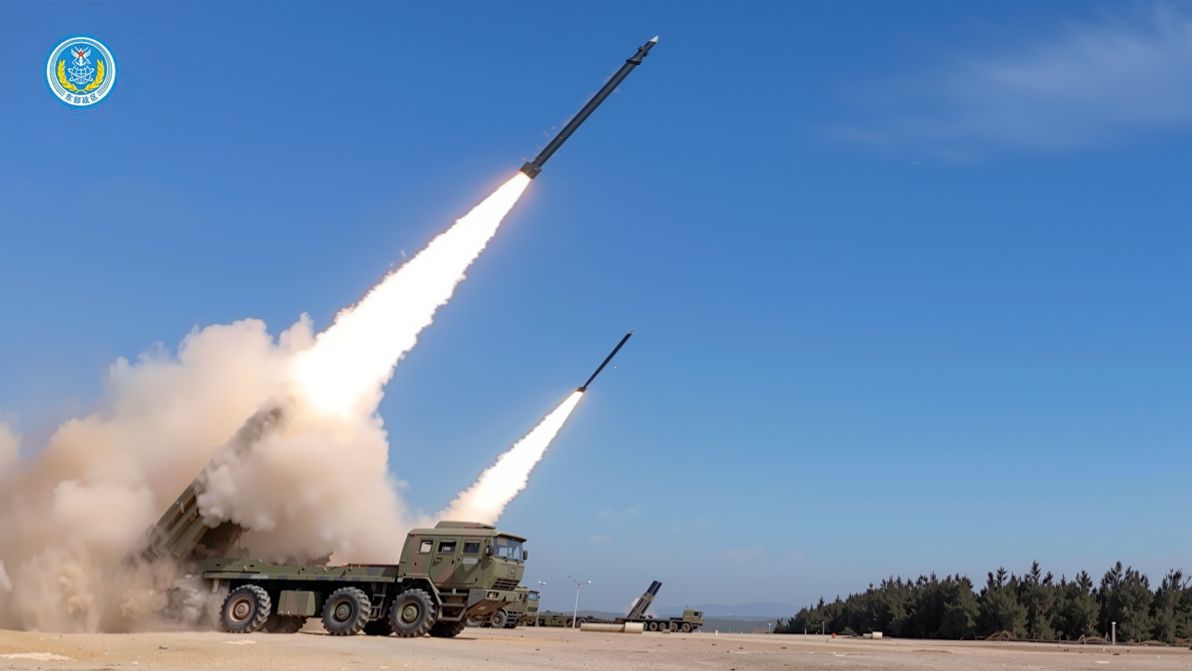
China’s recent activity around Taiwan reflects this dynamic in practice. The People’s Liberation Army (PLA) carried out a massive military exercise around the island, code-named “Justice Mission 2025.” The drill was China’s most extensive war game to date, involving 10 hours of live-fire exercises with rockets fired into waters north and south of Taiwan.
The PLA’s Eastern Theatre Command simulated a blockade of the island, deploying naval vessels, warplanes, including fighters, bombers and drones, and long-range missiles to practise encirclement and strikes against “mobile ground targets” and maritime targets.
Chinese state media released images showcasing new amphibious assault ships and other advanced weaponry as part of the demonstration.
The trigger for Justice Mission 2025 was a large $11.1 billion U.S. arms package to Taiwan announced just days earlier. In response, Beijing stated it would take “necessary measures,” and the drills were seen as intended to deter “external forces” from interfering in what China considers its internal affairs.
Notably, this was the sixth round of large-scale PLA exercises around Taiwan since 2022, each increasing in scale. Taiwanese defence officials observed unprecedented activity: more than 70 Chinese aircraft and two dozen naval vessels operated around Taiwan during the drills, with dozens of rockets fired into designated maritime zones.
Beijing demonstrated growing military capabilities and signalled readiness to respond to developments in the region.
Purpose and role of military drills
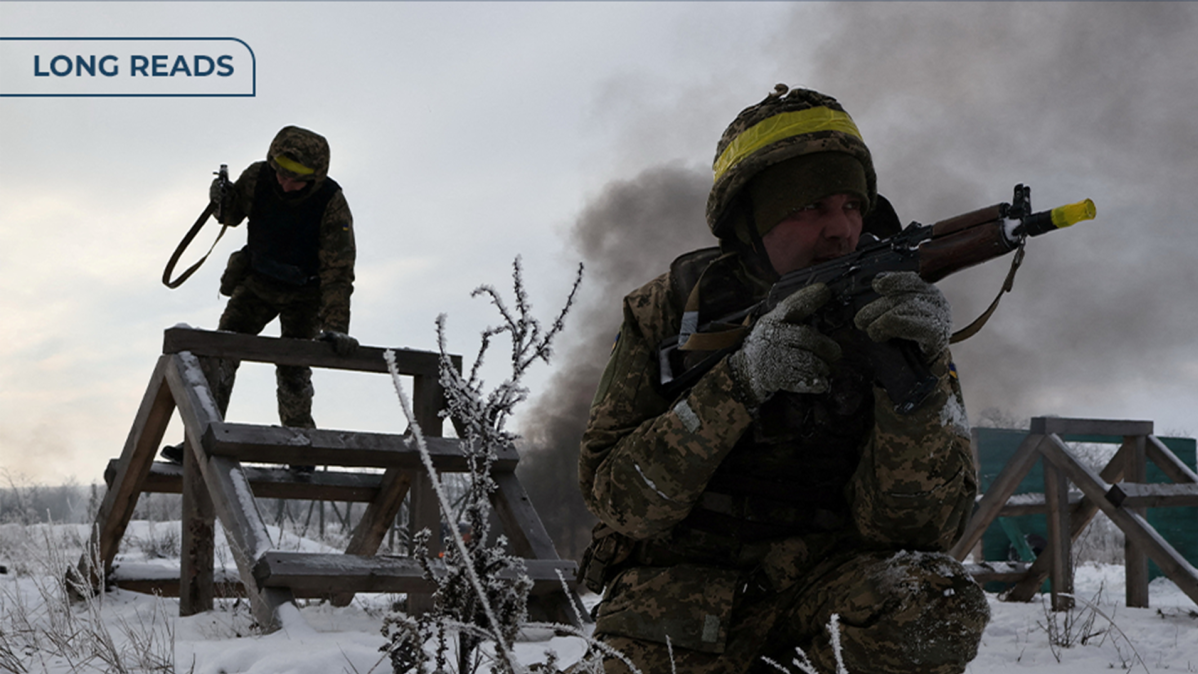
Military drills and exercises are integral to maintaining and testing a military’s readiness. In general, a military exercise is the deployment of military resources in a training scenario to simulate aspects of warfare. Such exercises are conducted to explore the effects of warfare, test tactics and strategies, and train troops without actual combat.
By rehearsing battle plans and manoeuvres in a controlled environment, armed forces aim to ensure their units are combat-ready before any real deployment. These drills can range from small-unit field training to large-scale joint exercises involving multiple branches of a nation’s armed forces, or combined exercises involving forces from several allied countries.
Joint and multilateral drills are particularly valuable for improving coordination among allies and presenting a visible show of strength and unity to potential adversaries. For example, when NATO members train together, or a country hosts international war games, it not only hones interoperability but also serves as a strategic signal of collective resolve.
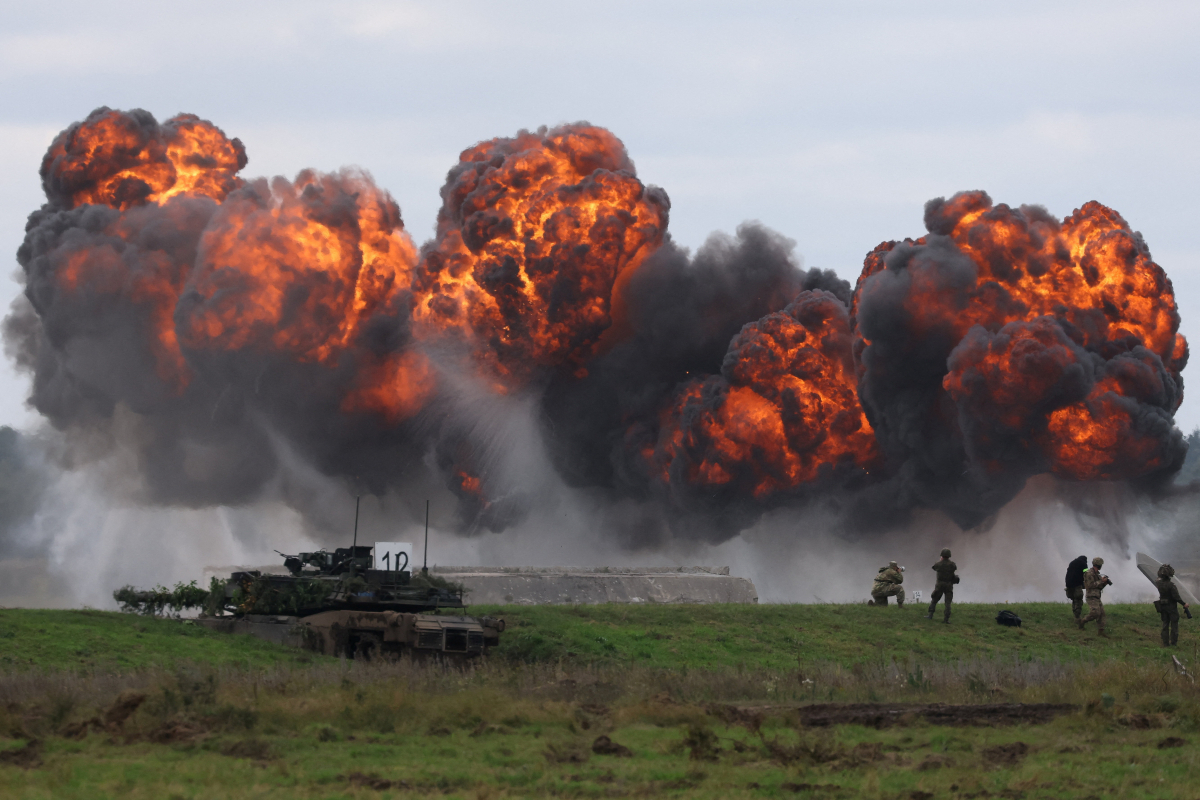
Another key purpose of military exercises is to simulate real operational scenarios as closely as possible. High-realism drills allow commanders and troops to practice decision-making under battlefield conditions, from coordinating air-ground attacks to handling cyber and electronic warfare scenarios. Modern exercises often employ computer simulations and live-fire components to test the participants’ capabilities and identify weaknesses in a plan or system.
Indeed, war games (simulated conflicts often conducted via maps or computers) complement field exercises by exploring “what if” scenarios and potential outcomes of decisions. While war games typically do not involve actual troops or equipment, full-scale exercises put real soldiers, tanks, ships, and aircraft into action in order to reproduce wartime decisions and activities for training purposes.
Importantly, military drills also have political and strategic dimensions. They can serve as demonstrations of force or deterrence. Regular exercises within a defensive alliance, for instance, reassure member states and warn rivals by showcasing the alliance’s preparedness. Studies have found that joint exercises within well-defined alliances usually deter adversaries, as they signal cohesion and capability, whereas unaligned large exercises can sometimes escalate tensions.
In some cases, exercises have been used as a form of military deception or posturing. History provides stark examples: military drills have occasionally been used as a cover for real military build-ups or surprise attacks. A notable case was in 1968, when Warsaw Pact “exercises” preceded the invasion of Czechoslovakia, and more recently, Russia’s large “exercises” in early 2022 helped mask preparations for its invasion of Ukraine.
Even when not a prelude to war, exercises can spark alarm – a classic example being NATO’s Able Archer 83 drill, which so realistically simulated a nuclear escalation that it nearly triggered a Soviet overreaction. In sum, while the primary purpose of drills is training and readiness, their scale and timing often carry broader implications for diplomacy, deterrence, and sometimes deception.
NATO–Russia exercises: Signalling on Europe’s Eastern Flank
The clearest modern theatre where exercises shape deterrence is Eastern Europe. Russia’s recurring Zapad drills - Zapad meaning “West” – are designed around scenarios involving NATO adversaries. Zapad-2025, conducted with Belarus, officially included about 13,000 troops but was assessed by Western analysts to involve far more. Its scenario simulated attacks on Poland and the Baltic states. Polish and Baltic officials publicly noted aggressive elements in the exercise, contributing to heightened alert across NATO’s eastern flank.

NATO responded symmetrically. Poland, Lithuania, Latvia and Estonia held parallel exercises with around 40,000 troops, practicing rapid reinforcement and border defence. The intention was not merely training, but counter-messaging: if Zapad represented pressure, NATO’s drill represented readiness. Allies were alert for provocations during Zapad, including cyber attacks or border incidents, reflecting awareness that drills can mask escalation.
Elsewhere, NATO conducted Dacian Fall 2025 in Romania and Bulgaria, involving more than 5,000 troops and 1,200 pieces of equipment to raise forward-deployed battlegroups closer to brigade strength. U.S. armour movements in Poland during Amber Desire 25 practiced logistics for fast eastward deployment.
These exercises collectively demonstrate NATO’s push to harden the eastern front after the Ukraine conflict. Whether Russia intends real invasion or posturing, drills remain one of its main signalling tools – and NATO exercises are the reply. Both sides train, deter and observe each other, aware that preparation and signalling are inseparable.
When exercises become war - reality shows the gaps
Russia’s pre-2022 training cycle reveals both the power and limits of drills. In 2021, Zapad-2021 mobilised forces in Belarus and western Russia, positioning troops near Ukraine. Many units were never withdrawn. Under the guise of further training in February 2022, Russian troops crossed the border and invaded Ukraine. The exercises provided logistical staging and political cover.
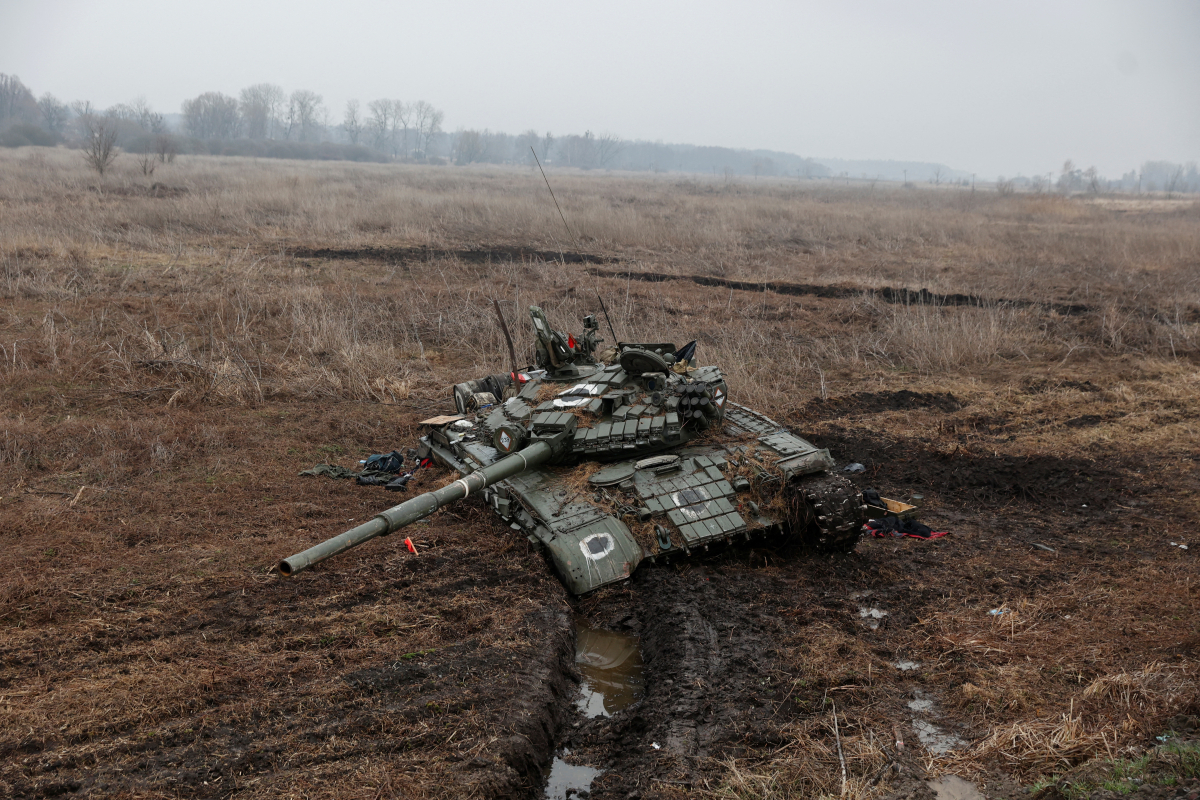
Yet the invasion exposed flaws that training had not fixed. The attempt to seize Kyiv collapsed within weeks. Convoys stalled, supplies ran short, and Russian units moved without secure communications. Combined-arms tactics proved fragmented: tanks advanced without infantry cover, artillery was underused early on, and Russia failed to neutralise Ukrainian defences.
Many analysts later argued that drills had created an illusion of readiness by rehearsing unrealistic assumptions - especially the belief that Ukraine would collapse quickly. Training did not address corruption, rigid command culture, poor morale or inadequate logistics.
The lesson was stark: large drills can simulate strength but cannot replace operational reality. Exercises are valuable only if they test real weaknesses rather than showcase best-case scenarios.
United States: When drills perfect the wrong assumptions
Across Vietnam, Iraq and Afghanistan, U.S. military drills were rarely inadequate in scale or professionalism. The problem lay elsewhere. Exercises consistently reflected American expectations of how wars should unfold rather than how adversaries intended to fight them. Training systems favoured technological dominance, rapid decision cycles and decisive engagements, while asymmetric adaptation was either constrained, delayed or filtered out during simulations.
Iraq: Exercises that validated technology instead of stress-testing it
Ahead of the 2003 invasion of Iraq, the Pentagon staged Millennium Challenge 2002, a $250 million exercise designed to validate network-centric warfare. U.S. “Blue” forces rehearsed precision strikes, sensor fusion and rapid manoeuvre against a fictional Gulf adversary. When the opposing commander, retired Marine General Paul Van Riper, rejected digital command systems and employed couriers, visual signalling and mass low-tech attacks, the simulation produced an unexpected result: a devastating strike that neutralised much of the U.S. fleet within minutes.
Rather than absorbing this as a warning, exercise controllers intervened. The opposing force was restricted, communications methods were scripted, and the simulation was reset. The drill concluded with a controlled U.S. victory, reinforcing the assumption that technological superiority would compress the war timeline. The exercise demonstrated capability, but avoided vulnerability.
That mindset carried into Internal Look 2002, the command-post drill rehearsing the Iraq invasion. Training focused overwhelmingly on the opening phase: rapid advance, command collapse and regime removal. Post-invasion instability, decentralised militias and sustained insurgency were barely modelled. When U.S. forces later faced IED networks and irregular warfare, they encountered tactics already exposed in simulation - but never fully drilled against.
Afghanistan: Training that chased the war instead of shaping it
In Afghanistan, the failure was less about distortion and more about delay. Early rotations trained at the National Training Center largely within a Cold War framework inherited from mechanised warfare against a peer opponent. Brigades arrived proficient in manoeuvre, fire coordination and base defence, but underprepared for dispersed combat, local power structures and insurgent adaptation.
Only years into the conflict did drills begin to mirror operational reality. Mock villages were constructed. Cultural role-players were introduced. Training scenarios shifted toward Improvised Explosive Device (IED) response, patrol-based decision-making and leader engagement. Yet these changes followed battlefield lessons rather than anticipating them. Training cycles reacted to insurgent tactics already proven effective.
The pattern repeated again later. As drone surveillance and artillery observation reshaped modern battlefields, U.S. training pivoted toward dispersion, electromagnetic discipline and constant movement - quietly dismantling assumptions that had dominated counter-insurgency-era drills. Afghanistan revealed how even adaptive institutions can train expertly for a war that has already evolved beyond their syllabus.
Vietnam: Drilling for nuclear battlefields, fighting guerrilla war
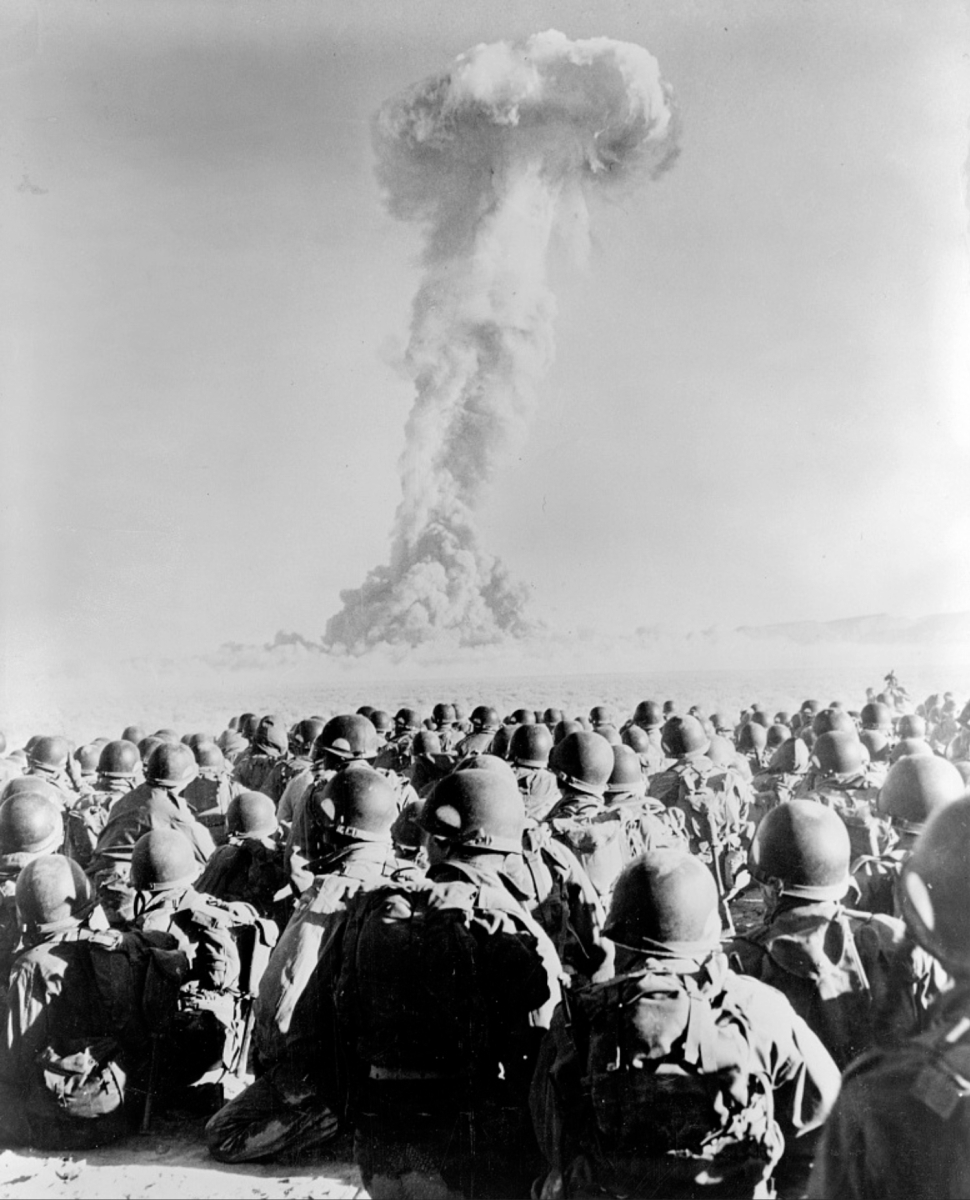
The disconnect in Vietnam was deeper and structural. In the late 1950s, U.S. training doctrine pivoted toward nuclear warfare under the “Pentomic” division concept. Exercises assumed a fragmented battlefield shaped by atomic strikes. Units drilled for dispersion, rapid movement and firepower concentration rather than population control or sustained presence.
Large-scale exercises in the Mojave Desert simulated nuclear-era manoeuvre warfare. Jungle operations, language training and counter-insurgency received limited institutional focus. When officers trained under this doctrine deployed to Vietnam, they applied technology-heavy, attrition-based tactics against an enemy that avoided massed formations and fought among civilians.
Training produced tactical proficiency but strategic blindness. Exercises did not replicate the political, psychological and endurance-based nature of the conflict. Units won firefights but failed to translate drills into lasting control.
Necessary but never sufficient
Across these cases, it shows that drills matter, but they never stand alone. China’s exercises around Taiwan signal capability and deterrence while heightening tension. NATO and Russia use drills to train and to signal, balancing readiness and provocation. Russia’s pre-Ukraine exercises enabled invasion but failed to prevent operational breakdowns. U.S. training before Iraq delivered rapid battlefield success yet could not secure lasting stability. Vietnam and Afghanistan show that even prolonged preparation cannot sustain forces lacking legitimacy, morale or independence.
In all three wars, U.S. drills were sophisticated and well-resourced, producing forces capable of dominating conventional combat. Yet exercises often prioritised confirmation over confrontation, reinforcing preferred models of war instead of testing uncomfortable realities. The result was operational success paired with strategic failure. When drills validate assumptions rather than challenge them, armies risk mastering execution while misreading the conflict itself.
Drills sit at the intersection of preparation and perception. They sharpen forces and shape deterrence, but war introduces friction no simulation can fully capture. Training improves outcomes only when matched with sound strategy, leadership and political foundations able to hold under pressure. History shows that training prevents defeat only when the cause, command and soldiers are prepared to endure what war demands.













What is your opinion on this topic?
Leave the first comment