San Diego Mosque Attack: Expert says there is a global connection driving these attacks
More than 2,000 people gathered in San Diego this week for funeral prayers honouring three men killed while trying to stop an attack at the Islamic...
The Conservative Party says it would cut funding for green energy projects and redirect the money into defence, arguing the UK needs to be ready for war.
Party leader Kemi Badenoch says a future Conservative government would move £17bn into the military, calling defence the government’s top priority.
Badenoch said: "The next Conservative government will move funding from [Energy Secretary] Ed Miliband's vanity Net Zero projects and use it to back our military to accelerate their war readiness."
The party says a new Sovereign Defence Fund, backed by private investment, could mobilise up to £50bn.
Under the plans, £6bn would be moved from research and development to the Ministry of Defence, and £11bn from the National Wealth Fund would be redirected from clean energy projects to defence and national resilience.
"Look at their record: their time in office starved our forces of funding, drove down morale and left Britain less safe. They did it before, and they'd do it again," a Conservative party spokesperson said.
Labour has dismissed the proposals as “fantasy figures”, saying the Conservatives left the armed forces underfunded during their time in power.
The UK government has pledged to increase defence spending to 2.5% of gross domestic product (GDP) by 2027 and 3.5% by 2035, but the Conservatives argue this is too slow and are calling for spending to reach 3% by the end of the decade.
Under the proposals, the National Wealth Fund, launched last year, would be renamed the National Defence and Resilience Bank.
Originally set up to support economic growth and clean energy, its remit was expanded in March to include investments linked to the UK’s defence and security.
Meanwhile, Chief of the Defence Staff Air Chief Marshal Sir Richard Knighton said the pace of private investment in the defence industry was “painfully slow” and urged more young people to pursue careers in the sector.
Earlier this year, the government launched UK Defence Innovation, an organisation with an annual budget of at least £400m to invest in new technologies and boost jobs. However, a long-awaited defence investment plan, expected in the autumn, has been delayed.

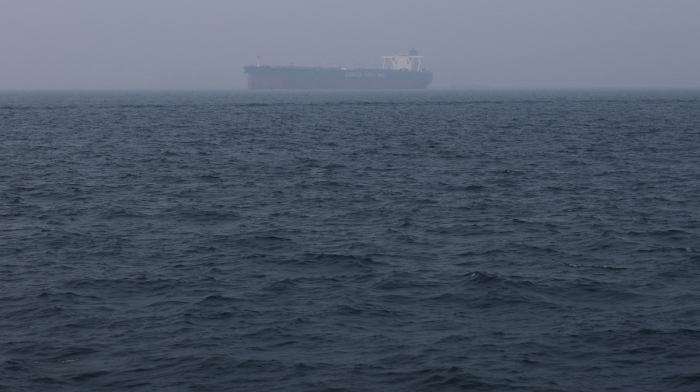
Asian stocks surged on Thursday as some vessels resumed passage through the Strait of Hormuz, while forecast-beating results at Nvidia and a suspended workers' strike at Samsung Electronics lifted shares of chipmakers.
Belarusian President Alexander Lukashenko has said Belarus will not be dragged into the war in Ukraine, while also stressing that Minsk and Moscow would jointly respond to any aggression against them.
The penultimate day of the World Urban Forum 13 in Baku will see Azerbaijan's Pavilion highlight post-construction efforts in Garabagh and East Zangezur, as well as host events on the future of Baku and architectural education.
Fighting in the Russia–Ukraine war has intensified sharply, with both sides launching significant strikes far beyond the front lines as the conflict enters its 1,549th day.
As the 13th edition of the World Urban Forum ended, Azerbaijan's Pavilion showcased reconstruction efforts in its liberated territories and foregrounded the importance of mine removal in resettlement efforts.
China already dominates the global rare earth supply chain. Now, scientists have discovered new deposits in northeastern China that could prove cheaper and cleaner to extract than those mined elsewhere in the country.
More than 2,000 people gathered in San Diego this week for funeral prayers honouring three men killed while trying to stop an attack at the Islamic Centre of San Diego, in what authorities are investigating as a suspected hate crime.
U.S. Secretary of State Marco Rubio said negotiations with Iran remain deadlocked over uranium enrichment and the Strait of Hormuz, despite what he described as modest progress in recent talks.
Fighting in the Russia–Ukraine war has intensified sharply, with both sides launching significant strikes far beyond the front lines as the conflict enters its 1,549th day.
Serbian President Aleksandar Vučić said he was pessimistic that an agreement would be reached before Friday’s deadline regarding Hungarian oil company MOL group's bid to acquire a majority stake in Naftna Industrija Srbije (NIS), the operator of Serbia’s only oil refinery.
You can download the AnewZ application from Play Store and the App Store.
What is your opinion on this topic?
Leave the first comment