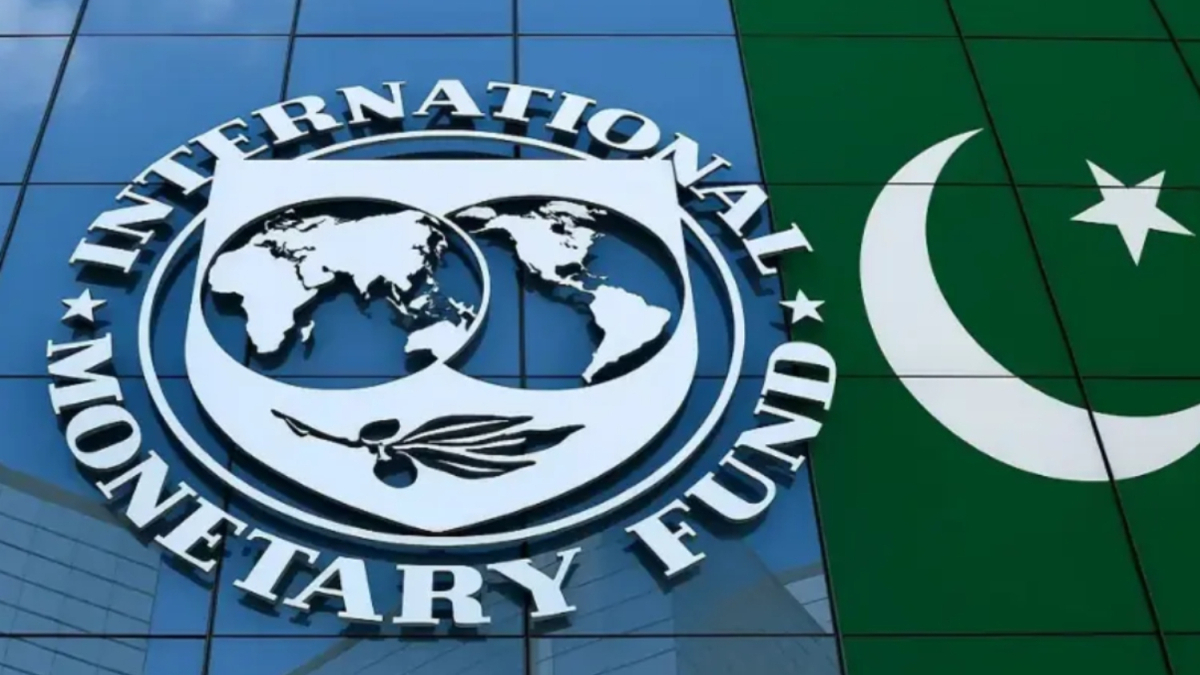
The International Monetary Fund's (IMF) executive board approved Pakistan’s latest loan review on Monday, unlocking a critical $1.2 billion in financial support, ensuring that the country’s ongoing IMF program remains on track.
The approval includes $1 billion from Pakistan's $7 billion Extended Fund Facility (EFF) and $200 million under the Resilience and Sustainability Facility (RSF), bringing total disbursements under both programs to approximately $3.3 billion.
This latest tranche will help Pakistan bolster its foreign exchange reserves, curb inflation, and support key reforms that are central to the nation’s economic recovery. Among the IMF’s demands are increased revenue generation, advancing the privatization of state-owned enterprises, and maintaining fiscal discipline as Pakistan continues to rebuild its economy.
The IMF emphasized that, given the uncertain global economic environment, Pakistan must maintain prudent policies to ensure long-term macroeconomic stability. “In the face of an uncertain global environment, Pakistan needs to maintain prudent policies to further entrench macroeconomic stability, while accelerating reforms necessary to achieve stronger, private sector-led, and sustainable medium-term growth,” the IMF said in a statement following the approval.
This approval comes after a staff-level agreement was reached in October, which recognized Pakistan’s efforts to stabilize its economy. Key improvements were noted, including easing inflation, rebuilding foreign exchange reserves, and the resurgence of investor confidence in the country. However, the IMF has insisted that Pakistan continue its reform agenda, including tightening monetary policy, strengthening public finances, and implementing structural reforms. The nation is also working to improve resilience against climate shocks, following devastating floods earlier this year.
Prime Minister Shehbaz Sharif underscored Pakistan’s commitment to these reforms, specifically pointing to the privatization of Pakistan International Airlines (PIA). The government has scheduled a bidding process for a majority stake in PIA on December 23, with four shortlisted groups eligible to participate in the sale. This marks Pakistan’s first significant privatization move in nearly two decades.
The IMF’s financial support has been vital in stabilizing Pakistan’s economy, especially after last year’s balance-of-payments crisis, which saw the rupee depreciate sharply and inflation reach record highs. The IMF program is seen as a critical tool in navigating Pakistan’s ongoing financial challenges, providing the country with the resources necessary to implement essential reforms and stabilize its economy.
Countries under IMF lending programs must undergo regular reviews to ensure compliance with the terms of the agreement, with loan tranches being released after executive board approval. Pakistan's commitment to these conditions continues to be key to securing ongoing support from the IMF as it works to stabilize and strengthen its economy in the coming years.
















What is your opinion on this topic?
Leave the first comment