Iran links dilution of 60 per cent enriched uranium to lifting of U.S. sanctions
Iran’s atomic energy chief says Tehran could dilute uranium enriched to 60 per cent if all international sanctions are lifted, stressing that techni...
Export controls and critical minerals were key issues of discussion when G7 finance ministers met virtually on Monday (8 December). Countries continue to look at alternatives to move away from China's dominance in the rare-earth sector.
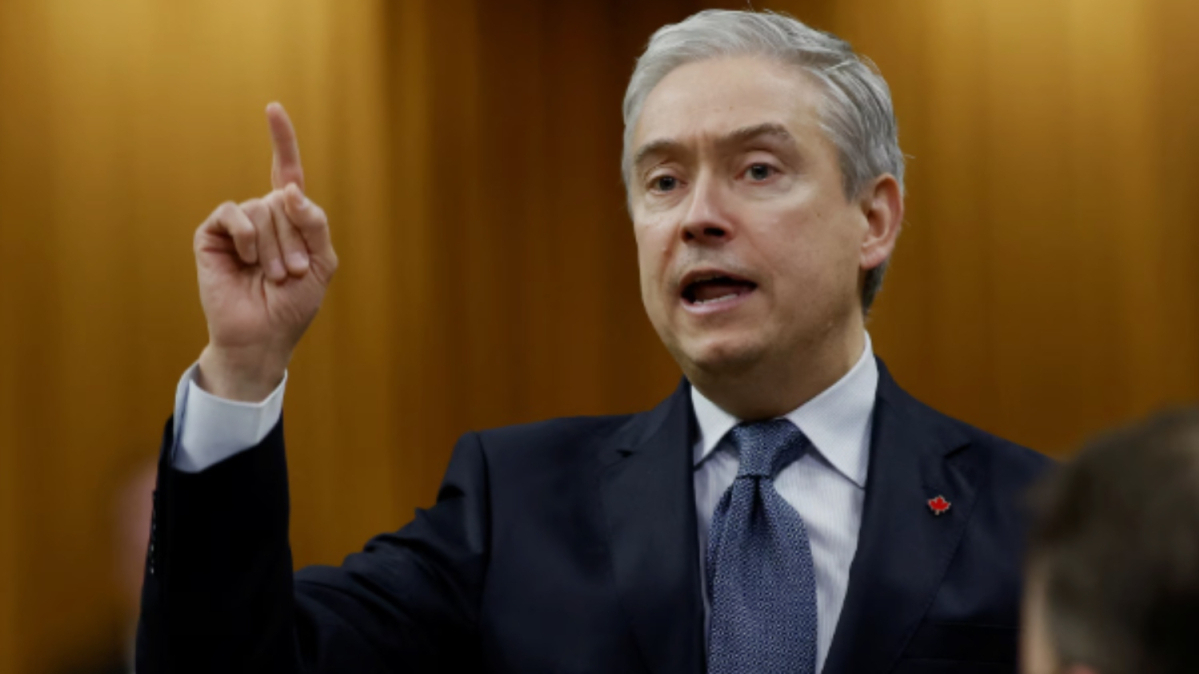
Canadian Finance Minister Francois-Philippe Champagne chaired the gathering which included representatives from major global economies and the International Monetary Fund (IMF), the World Bank, the Organization for Economic Co-operation and Development (OECD), and the Financial Stability Board. He highlighted concerns regarding the impact of non-market policies on critical mineral supply chains.
"An important point of consensus was the concern regarding the application of non-market policies, including export controls, to critical minerals supply chains, citing significant negative macroeconomic consequences, increased price volatility, and a deterioration in global growth prospects," the ministry said in a joint statement.
Critical minerals are essential for industries such as technology, energy, and manufacturing. With the growing demand for minerals such as lithium, cobalt, and rare earth elements—used in the production of batteries, electronics, and renewable energy infrastructure—the G7 ministers recognised the risks posed by export restrictions and supply chain disruptions.
China outlined new curbs on foreign access of rare earths and related technologies in October, extending controls over the use of the elements critical for many products.
The meeting comes as China's rare earth sales jumped again last month after President Xi Jinping and U.S. President Donald Trump came to an agreement on trade tariffs.
The finance ministers expressed their commitment to finding solutions that would protect the global economy from the adverse effects of such trade barriers while ensuring the responsible and sustainable management of critical mineral resources.
They also acknowledged the need for international cooperation to address these challenges, particularly as the global transition to green energy technologies and digital economies intensify.
While the meeting did not announce specific policy measures, the G7’s collective stance on export controls reflects an ongoing effort to navigate the complexities of global supply chains and secure the stability of markets for critical minerals, which are increasingly vital to the future of the global economy.

U.S. President Donald Trump has criticised American freestyle skier Hunter Hess after the athlete said he felt conflicted about representing the United States at the Winter Olympics in Italy, sparking a public clash that highlights growing political tensions surrounding the Games.
Iran would retaliate by striking U.S. military bases across the Middle East if it comes under attack by American forces, Foreign Minister Abbas Araghchi said on Saturday (7 January), stressing that such action should not be seen as targeting the countries hosting those bases.
U.S. skiing great Lindsey Vonn underwent surgery in an Italian hospital on Sunday after her attempt to win Olympic downhill gold ended in a violent crash just seconds into the race at the Milano Cortina Winter Games.
A Japanese city near Mount Fuji has cancelled its annual cherry blossom festival, saying growing numbers of badly behaved tourists are disrupting daily life for residents.
Several avalanches struck northern Italy on Saturday, killing at least three people, as rescue officials warned the death toll could rise with unstable conditions persisting across the Alps.
Japan’s snap election has delivered a landslide victory for Sanae Takaichi, giving her a strong mandate to advance fiscal expansion and defence reforms. But, analysts warn that inflation risks and funding challenges could complicate her agenda.
Australia’s move to ban social media access for children under 16 has intensified a global debate, as governments across Europe and beyond weigh tougher rules amid growing concerns over mental health, safety and screen addiction.
The UK has pledged to step up engagement with Beijing after Hong Kong media tycoon and British citizen Jimmy Lai was sentenced to 20 years in prison, with the case resurfacing as a key issue following Prime Minister Keir Starmer’s recent trip to Beijing.
Venezuelan authorities said they were seeking court approval to put prominent opposition politician Juan Pablo Guanipa under house arrest on Sunday, shortly after he was seized by armed men in Caracas in what his son called a kidnapping.
Hong Kong’s most prominent media tycoon Jimmy Lai was sentenced on Monday (9 February) to a total of 20 years in prison on national security charges. The verdict covers two counts of conspiracy to collude with foreign forces and one count related to publishing seditious materials.
You can download the AnewZ application from Play Store and the App Store.
What is your opinion on this topic?
Leave the first comment