Moscow has expressed cautious optimism regarding diplomatic efforts to end the war in Ukraine, following a marathon meeting between President Vladimir Putin and high-level representatives of the Trump administration.
Speaking on Friday, the Kremlin indicated a willingness to deepen engagement with Washington, suggesting that the dialogue initiated earlier this week has opened a potential pathway towards a settlement, even as fighting continues on the ground.
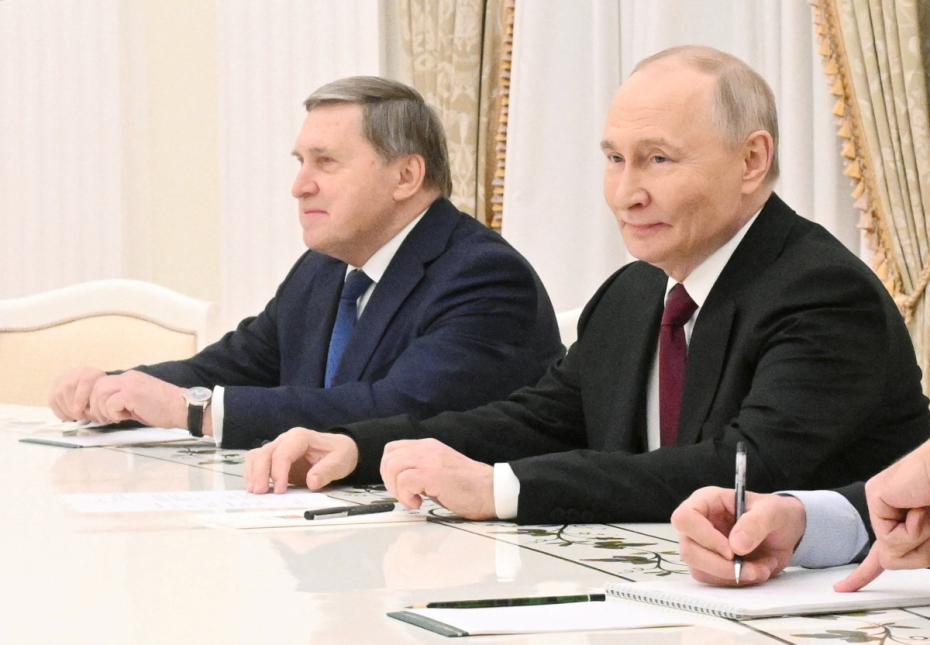
Kremlin aide Yuri Ushakov, a veteran diplomat who was present during the discussions, offered a positive assessment of the current dynamic.
"We are, in my opinion, making progress on the main negotiations involving our president," Ushakov told the Zvezda news outlet. "This is encouraging, and we are ready to continue working with this American team."
The Tuesday Summit
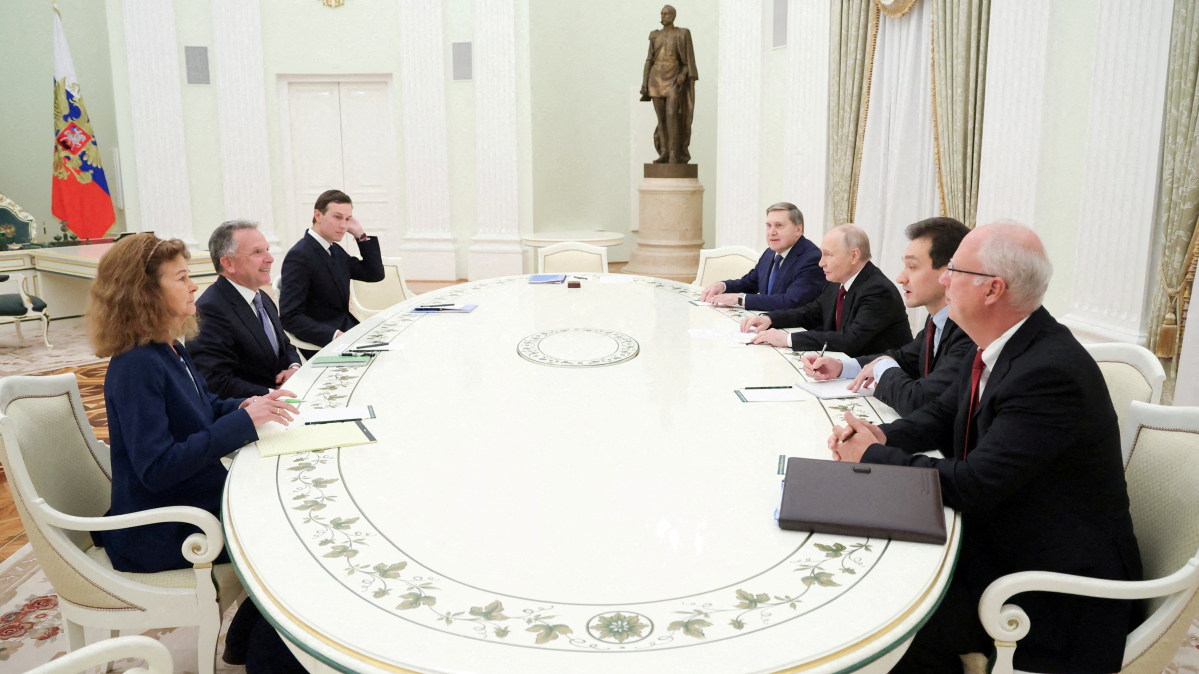
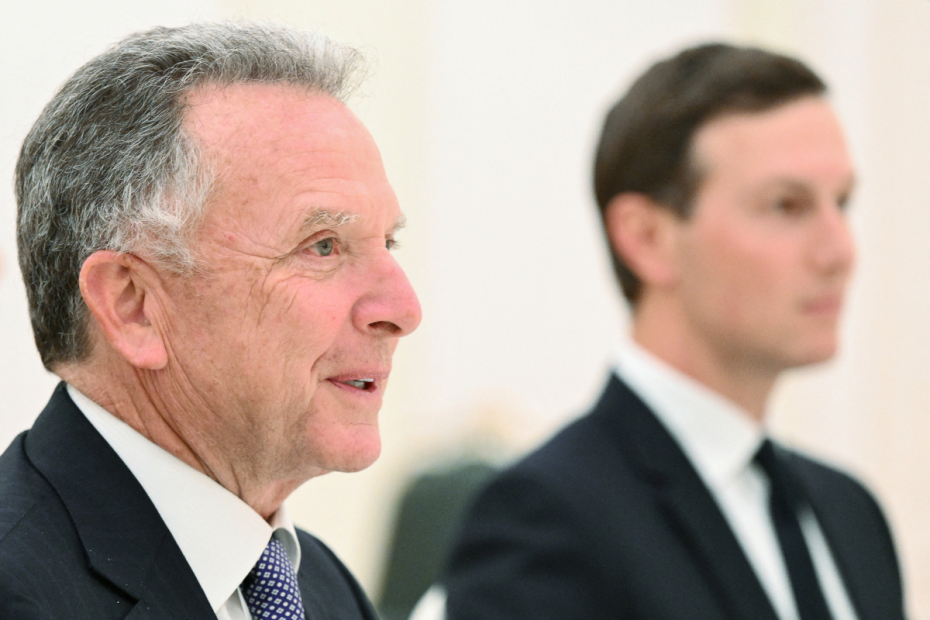
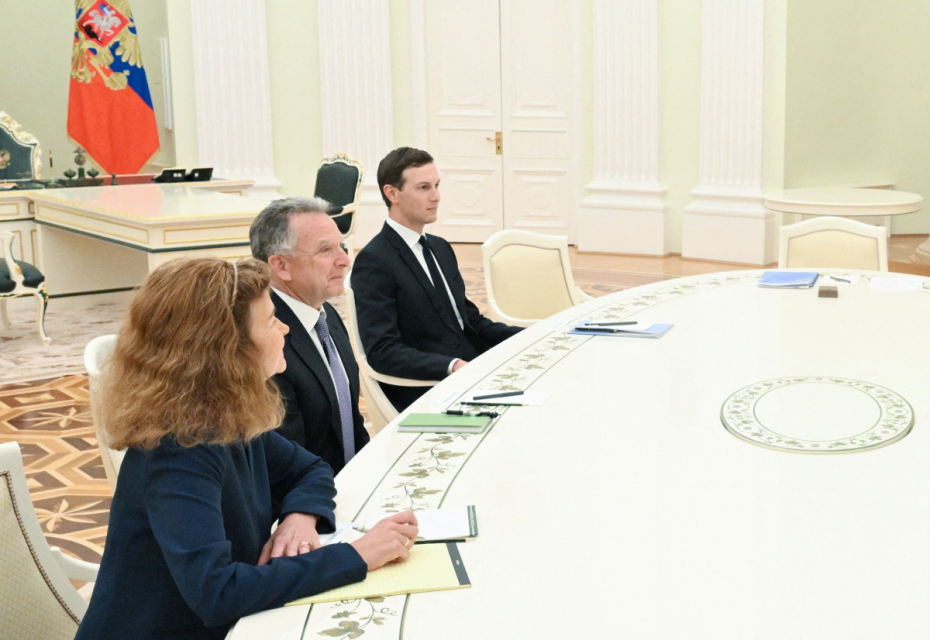
The comments follow a significant five-hour session held late on Tuesday night at the Kremlin. The meeting included U.S. President Donald Trump’s special envoy, Steve Witkoff, and his senior advisor and son-in-law, Jared Kushner.
This encounter marks one of the most substantial direct engagements between Moscow and Washington since President Trump’s return to the White House.
The Kremlin has confirmed that President Putin accepted certain elements of a U.S.-drafted peace plan presented by the envoys, though he rejected others.
According to state news agency RIA, Moscow is now awaiting "the reaction of our American colleagues" to the counter-proposals raised during the Tuesday session.
Obstacles to Peace
Despite the diplomatic pleasantries, the chasm between the warring parties remains vast. Following the meeting, President Putin publicly restated Russia’s uncompromising demand for full administrative control over Ukraine's industrial Donbas region. He issued a stark ultimatum, warning that if Ukrainian forces do not withdraw from the contested areas, Moscow is prepared to seize the remainder of the region by force.
President Trump, who campaigned on a promise to bring a swift end to the conflict—now nearing the end of its fourth year—has characterised the talks in Moscow as "reasonably good". However, Washington has conceded that the path to a sustainable breakthrough remains unclear.
Anxiety in Kyiv
The intensified dialogue between the White House and the Kremlin has generated profound anxiety in Kyiv. Ukrainian officials are wary that the Trump administration’s drive for a deal could result in a coerced settlement, forcing Ukraine to cede territory and accept deeply unfavourable terms that would leave the nation vulnerable to future Russian aggression.
Ukraine’s government continues to call for an immediate ceasefire based on international law, accusing Putin of feigning interest in diplomacy to buy time while his forces press the offensive. On Thursday, Ukraine’s Foreign Minister emphasised that the country is seeking "real peace, not appeasement".
Russia maintains that while it is serious about seeking a diplomatic conclusion to the war, it remains fully committed to achieving its strategic goals through military means if negotiations fail.












What is your opinion on this topic?
Leave the first comment